Snappit logo
Snappit
Get App
Generic illustration, not a photograph of this venueIllustration
ParkTohoku, Japan

Hirosaki Park

Hirosaki Park is a place to look across water, under branches and through gateways.

About

Hirosaki Park is a place to look across water, under branches and through gateways. The old castle grounds still have the shape of a fortified town within the town: moats divide the enclosures, bridges link them, and surviving gates make each change of scene feel deliberate. You can build a satisfying visit around a few of these outdoor spaces without trying to cover every corner.

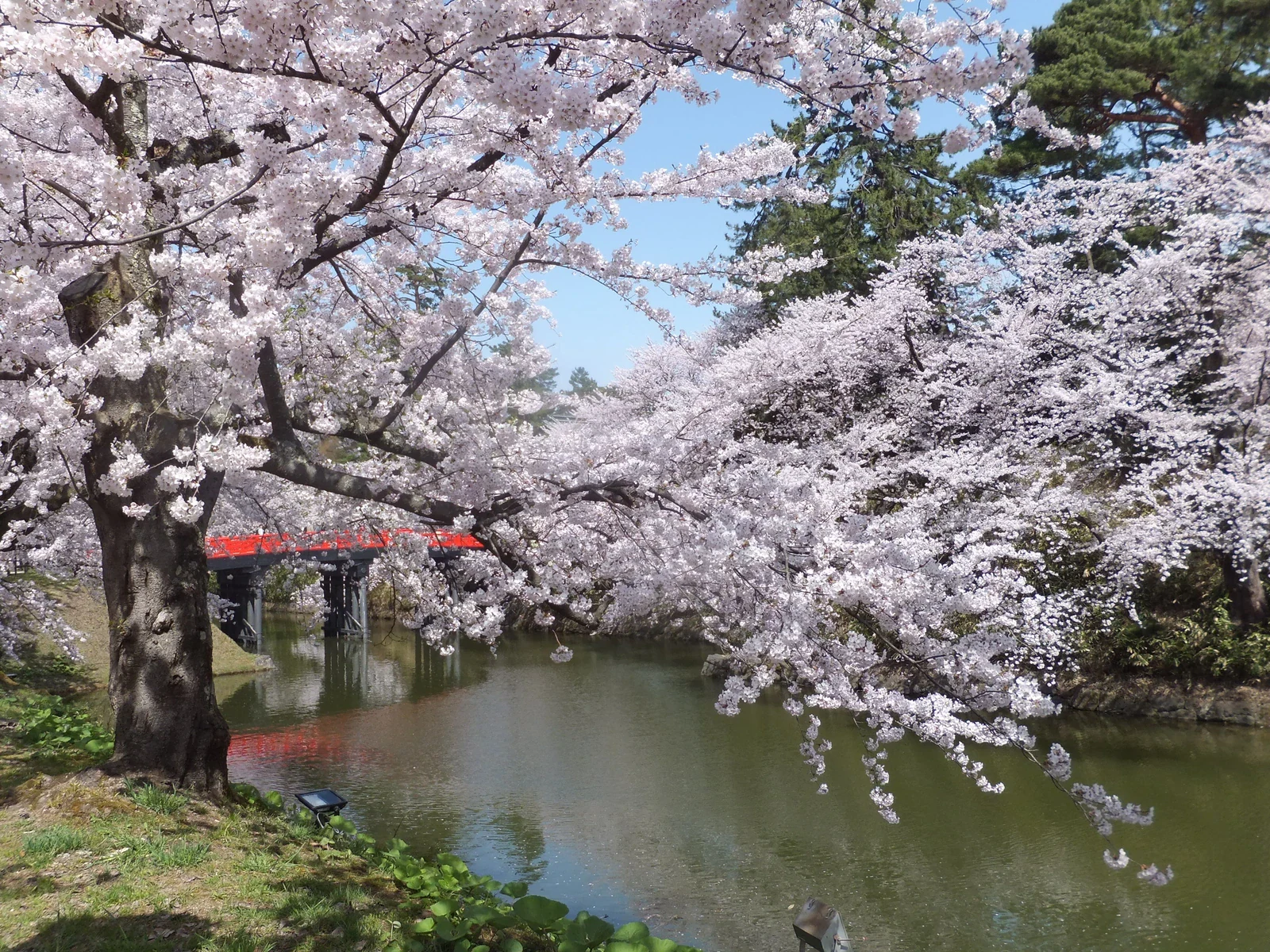
Cherry blossom is the celebrated season. The tourism bureau describes roughly 2,600 cherry trees of 52 varieties, so a spring walk is more interesting when you compare trees as well as admire the overall colour. At the West Moat, branches arch over the waterside walk. Around the outer moat, fallen petals can gather into the floating pink carpets called hanaikada. Their appearance depends on the bloom, wind and water, so enjoy what the day brings rather than expecting a particular photograph.

Beyond the blossom weeks, give the trees and the botanical garden their turn. Hirosaki Castle Botanical Garden occupies part of the Sannomaru, the third enclosure, and contains a rock garden, wetland planting, a seasonal flower path and Japanese garden areas. Choose a few sections and read the labels slowly; the garden is a good reason to linger after the busiest viewpoints have had their moment. It is inside Hirosaki Park, while nearby Fujita Memorial Garden is a separate attraction.

Restoration changes the castle visit. The keep interior has been closed since 24 November 2025 and is currently planned to remain closed through 31 March 2033. Moving the building back to its original foundation does not reopen its rooms. The park remains visitable, but construction barriers, scaffolding and temporary access arrangements affect the Honmaru, the main enclosure. Start with the current notices, then treat an exterior view as one part of a broader day among the moats, gates and gardens. Don't forget to bring the Snappit nature identification app along to scan local species.

Hirosaki Castle was largely completed in 1611 for the Tsugaru clan. The surviving keep dates from 1810, after the original keep was lost to a lightning fire in 1627. The grounds opened as a public park in 1895. Cherry planting had begun much earlier: the operator records trees brought from Kyoto in 1715 and substantial Somei Yoshino planting in 1882. The botanical garden opened in May 1988, adding a different kind of plant-focused visit within the historic grounds.


What to do here

Enter through Otemon or East Gate, explore the Ninomaru, the second enclosure, and stop at Hirosaki Castle Information Center for the castle story. Add the botanical garden while it is open, or make a separate waterside stroll at the West Moat. In blossom season, compare the form and timing of different cherries; in autumn, look for contrasts between leaf shapes as well as colours.

Seasonal info

Spring festival crowds can slow both the paths and the buses. The botanical garden closes for winter; its announced 2026 season is 10 April–23 November. Winter brings a different, snowy park outing, requiring warm layers and footwear that grips ice. Do not assume seasonal lighting, boat rental or festival stalls operate on an ordinary day.

Accessibility

The park has wheelchair loans and mapped multifunction toilets, and the botanical garden lists wheelchair-accessible toilets. Current construction is the key complication: the southern Honmaru detour uses temporary stairs, with restrictions planned until around 31 March 2027. Ask staff for a suitable approach before attempting the Honmaru with a wheelchair or stroller. Check the day’s surfaces and snow conditions rather than relying on an older park map.

Don't miss

1

Cherry-lined moats, including the West Moat’s blossom tunnel

2

Historic gates and the layered layout of the castle grounds

3

The seasonal beds and Japanese gardens inside the botanical garden

4

Mature ginkgo trees and a quiet pause to watch the moat

Pale cherry blossoms arch over green moat water, with part of a red bridge visible behind the branches.

Cherry blossoms over a moat in Hirosaki Park, photographed in April 2016.

Sakura in Hirosaki Castle 20160423.jpg — 掬茶, CC BY-SA 4.0 (https://creativecommons.org/licenses/by-sa/4.0/). Source: https://commons.wikimedia.org/wiki/File:Sakura_in_Hirosaki_Castle_20160423.jpg. Proportionally reduced to a 1600-pixel long edge without upscaling; recompressed as WebP quality 92, method 6. No crop, retouching, added text or colour changes. EXIF omitted. · Creative Commons

Walks and routes

Otemon to Ninomaru and East Gate

Start at Otemon, cross Sugi-no-Ohashi and pass through the South Inner Gate into the Ninomaru. Pause at Hirosaki Castle Information Center, then follow the open Ninomaru paths towards the East Inner Gate and out through East Gate. This gives you gates, bridges and old trees without making the Honmaru a compulsory stop. Reverse the walk if East Gate suits your arrival better.

Allow extra time for surfaces, bridge approaches and rests. This is a suggested sightseeing sequence, so ask at the information center which open paths best suit your wheelchair or stroller.

Otemon to Ninomaru and East Gate

A slow circuit of the botanical garden

Use the botanical garden entrance that suits your arrival from Otemon or East Gate, collect the garden map, and choose a few sections rather than trying to inspect every bed. Pair a Japanese garden area with the seasonal flower path or wetland planting. A bench break makes the contrasts easier to appreciate.

The garden lists wheelchair-accessible toilets and rest areas. Ask the entrance staff about the most suitable circuit and surfaces for your needs before heading into smaller paths.

A slow circuit of the botanical garden

An easy half day

Begin with the Otemon–Ninomaru–East Gate walk. Visit the botanical garden before its last admission, then take a picnic or café break at a place that is open. Add the West Moat only if you still feel like walking. You do not need to fit in both paid areas to enjoy the park.

About 3–4 hours, plus travel

A shorter visit with fewer decisions

Choose the gate nearest your arrival and focus on the adjacent Ninomaru paths and one information-center stop. Leave the botanical garden and West Moat for another visit if the weather, crowds or surfaces are tiring. Before starting, agree on a return point with your group rather than committing to a full circuit.

About 60–90 minutes, plus travel

Things to try

Compare three cherry trees

In spring, pick three trees beside an open path. Compare the direction of the branches, the shade of the flowers and how many flowers have opened. Read each label before deciding they are the same variety. Take photographs rather than picking blossoms; later-flowering cherries can make the park feel quite different after the main Somei Yoshino peak.

Read the castle through its gates

At a gate, pause to notice how the approach turns and narrows. Then look back across the moat. These changes in direction were part of a defensive landscape, and following them on foot makes the old castle layout easier to understand than a single view of the keep.

Add a West Moat pause

Make the West Moat a separate stop if you have more time. Follow the public waterside path, look at branches and their reflections, and pause where you can stand without blocking others. Spring petals and autumn colour reward a slow look. Any boat service is seasonal, so check the current event information before making it part of your plan.

A five-minute shape hunt

For a small family challenge, find a fan-shaped leaf, a many-pointed leaf and a reflection of a branch. Draw the shapes or photograph them from the path. Children can also compare two gates or count the bridges they actually cross. Stop while the game is still fun and take a picnic break.

Start indoors at the information center

The exhibition and guidance rooms explain the castle’s history and changes over time. Normal opening is 09:00–17:00 throughout the year, with possible festival extensions. Use the visit to choose a short outdoor section when rain eases; the botanical garden’s shelters are useful for a pause rather than a substitute for an indoor afternoon.

Wildlife and habitats

Ginkgo: a leaf you can recognise

Look for a fan-shaped leaf, sometimes split by a notch into two broad lobes. Autumn turns the leaves yellow. The mature ginkgo near the East Inner Gate and the root-exposed tree in the western enclosure show how different two trees of the same kind can look. Admire the roots from the path and give them space.

Japanese maple: count the points

In the botanical garden, look for a labelled irohamomiji, Japanese maple. Its small leaves are typically divided into five to seven deep lobes. The garden’s 2011 tree inventory records it in the Sannomaru garden; ask staff where best to see one now. Compare a maple leaf’s outline with a ginkgo fan rather than using red colour alone to identify the tree.

Mandarin Duck: watch before you move

The city records Mandarin Ducks in the West Moat. A colourful male is easier to notice than a quieter grey-brown female, so spend a few minutes looking along the sheltered water margin. Bring binoculars if you have them, keep back from the edge and leave birds undisturbed. Seeing them is a bonus, not a requirement for a good walk.

Stories and discoveries

A castle that moves as a building

In 2015, the keep was moved away from its stone base so the stonework could be repaired. The current project is moving it back before further conservation and seismic work. Watching from a permitted public area can reveal a different side of heritage: a historic building is something people continue to care for, not simply a finished object.

The botanical garden has older layers

Although the botanical garden opened in 1988, the Sannomaru garden within it has roots in the castle period. It is worth slowing down at the landscaped garden areas as well as the flower beds: they tell different parts of the site’s story.

When to visit

Spring: follow the flowers

Use the city’s flowering updates close to your trip. The historical record shows that peak Somei Yoshino bloom does not arrive on a fixed date. Leave room for later-flowering varieties, and keep your route flexible when bridges and popular viewpoints are crowded.

Summer: slow down in the garden

Choose a few botanical garden sections, carry water and break up the walk with shade and seating. Look across the moat quietly for birds. A garden visit rewards close attention to labels and leaf shapes even when there is no headline blossom event.

Autumn 2026: chrysanthemums and foliage

The announced Chrysanthemum and Autumn Foliage Festival runs from 30 October to 8 November 2026, with the botanical garden as its main venue. During the event the garden is scheduled to open 09:00–20:00, with last entry at 19:30. A special loop-bus extension is announced from 18:30 to 20:00 every thirty minutes. Recheck the event and return transport together before an evening visit.

Winter: a shorter snow-season outing

The botanical garden is closed in winter, while the Honmaru–Kita-no-kuruwa grounds are normally free of admission charges from 24 November to 31 March. The keep stays closed for restoration. Allow more time for snow and ice, stay out of cordoned areas and check the current Snow Lantern Festival dates if you want an evening event.

Getting there and practical advice

Information, toilets and breaks

Hirosaki Castle Information Center is in the Ninomaru, near the southern side of the Honmaru. The park map marks multifunction toilets around the grounds, including by the information center and the botanical garden entrances. The garden also has benches and covered rest places. Ask for the nearest suitable facility when you arrive.

Wheelchair loans

The city lists wheelchair loans at the Greenery Consultation Center, normally 09:00–17:00, with additional loan points during the cherry blossom festival. Confirm availability before relying on a loan and ask about returning it in time.

Picnics and refreshments

A picnic is a useful way to leave room for a slow visit. The botanical garden has a recreation area, and the park’s Butokuden rest house in Kita-no-kuruwa includes a refreshment corner. Check opening hours locally and bring drinking water; festival food stalls are not an everyday facility.

From JR Hirosaki Station by bus

Take the Dotemachi Loop Bus from the station’s Central Exit, stop D100, and get off at Shiyakusho-mae, near Otemon. From 1 October 2026, the fare is ¥200 cash or ¥180 with an IC card for adults; children pay ¥100 or ¥90. Check the live timetable for your date, especially during festivals.

Plan the return before an evening visit

Normal service runs every ten minutes from 10:00 to 17:00. From April through November it continues until 18:00, every twenty minutes after 17:00; the usual winter finish is 17:00. Festival extensions are announced separately. If you plan to stay for lighting, arrange the return rather than assuming the loop bus will still be running.

Walking or arriving by car

The prefectural guide gives about a 30-minute walk from JR Hirosaki Station to the park; allow more for luggage or snow. There is no general visitor car park inside the grounds. Nearby options include the Hirosaki Culture Center and City Tourist Center car parks. Choose parking for your intended gate, and expect queues around major festivals.

Check the route into the Honmaru

The southern detour is a temporary stair route, not a wheelchair ramp. The city currently expects restrictions to continue until around 31 March 2027. Ask the Parks and Greenery Division on 0172-33-8739 which approach is suitable on your date; do not commit to a stair detour with a wheelchair or occupied stroller.

Build the outing around comfortable sections

A shorter gate-and-garden visit can be more enjoyable than completing a circuit. Ask about slopes, gravel, bridge approaches, snow clearance and the nearest usable toilet. The botanical garden’s wheelchair toilet listing does not tell you the condition of every path, and restoration can change a familiar approach.

Choose the ticket that fits your visit

Checked 16 October 2026: Honmaru–Kita-no-kuruwa costs ¥320 for high-school students and adults, or ¥100 for elementary and junior-high students. The botanical garden charges the same separate admission. A combined one-day ticket is ¥520 or ¥160 respectively and covers both plus Fujita Memorial Garden. For the two paid areas alone, the combined ticket costs less than buying both separately.

Hours and seasonal access

Honmaru–Kita-no-kuruwa normally charges admission from 1 April to 23 November, 09:00–17:00, with festival changes. The botanical garden’s announced 2026 season is 10 April–23 November; normal opening is 09:00–17:00 and ticket sales end at 16:30. None of these tickets or seasonal hours reopens the castle keep.

Payment and concessions

Carry cash for castle-area admission. The botanical garden has announced card and QR-code payment for 19 October–23 November 2026 only; check again for other dates. The city lists admission exemptions for eligible disability-certificate holders and necessary carers. Ask which documents are accepted and which area or ticket the concession covers before buying.

Sources and useful links

Wildlife you might spot

3

Each card links to a full Explore page with photos, traits, and fun facts.

Snap map for this place

Start with the big picture, then zoom in to explore individual wildlife observations around this place.

Loading map…

Good to know before you go

Check the city’s restoration and detour notices before travelling. The castle admission ticket does not provide access inside the closed keep.

Choose your paid areas before buying

the main park has free sections, while Honmaru–Kita-no-kuruwa and the botanical garden have separate admissions or a combined ticket.

Carry yen for admission. The operator lists castle-area tickets as cash-only; temporary cashless arrangements at the botanical garden should be checked for your date.

Find your return bus before settling into an evening visit. Normal Dotemachi Loop Bus service ends much earlier than some festival lighting.

Wear comfortable shoes with grip. Keep children close beside the moats, and stop for photographs clear of bridges and busy paths.

Leave branches, roots and flower beds undisturbed. Photograph fallen petals from the path instead of reaching into the moat or stepping into protected planting.

Bring a simple picnic and use an appropriate open area. Barbecues, fireworks and tents are prohibited, and picnic sheets must not be pegged down.

For current paths and accessibility advice, call Hirosaki City’s Parks and Greenery Division on 0172-33-8739. For the botanical garden operator, use 0172-33-8733.

Frequently asked questions

No. The keep interior is closed for relocation, preservation and seismic work, from 24 November 2025 through a planned 31 March 2033. The completion date may change. You can still visit open parts of the park and check the current arrangements for viewing the exterior.
No. Much of the park can be explored free of charge. Honmaru–Kita-no-kuruwa and Hirosaki Castle Botanical Garden are separately ticketed areas in their operating seasons. See the admission details below before choosing a ticket.
Check the later-flowering varieties rather than assuming all cherries finish together. Outside spring, the moats, mature trees and botanical garden provide plenty to look at; autumn has its own foliage and chrysanthemum festival.
It is a separate garden outside the park. A combined ticket may include it, but leave extra time and check its own opening arrangements if you want to add it.
Dogs may not walk through the park; the city allows them to accompany visitors in a carrier, cart or while being carried, with an exception for assistance dogs. Check the botanical garden’s separate entry rules before bringing a pet. Bicycles cannot enter the botanical garden, may only be pushed in Honmaru–Kita-no-kuruwa, and cannot be ridden anywhere in the park during the cherry blossom festival.
Visit Hirosaki Castle Information Center for displays about the castle and the Tsugaru clan. It normally opens 09:00–17:00 year-round. The botanical garden has rest shelters, but it remains an outdoor visit; shorten the walk in heavy rain or strong wind.

Recent snaps at this place

Recent snaps will appear here as new observations are added.

View all ›

Take the discovery with you

Exploring Hirosaki Park?

Identify the wildlife you spot, learn as you go, and keep a collection of the adventure.

  1. 1Spot it
  2. 2Snap it
  3. 3Keep the discovery