
Snappit logo
Snappit
Get App
Generic illustration, not a photograph of this venueIllustration
ParkKanto, Japan

Showa Kinen Park

Showa Kinen Park gives you room to change the pace.

About

Showa Kinen Park gives you room to change the pace. A train brings you almost to Nishi-Tachikawa Gate; a few minutes later, you can be watching the surface of Waterfowl Lake or deciding where to spread a picnic sheet. For a first visit, keep the plan simple: the lake, the ginkgo avenue, the Stream Area and a pause beside the Open Field. There is plenty to enjoy without walking to every corner.

The pleasure is in the contrasts. Reeds and islands make the lake more than a boating backdrop. The Katarai Ginkgo Avenue has a long, gently changing perspective, while the Stream Area becomes a carefully tended tulip garden in spring. Nearby, the Open Field feels expansive and informal. Its great zelkova was here before the park, and the field was designed around it. Look at the spreading crown, then get close enough to notice the different small plants beneath your feet without picking them.

Further north, the Japanese Garden offers pond views and traditional garden details; Children’s Forest is for a more energetic family outing; Komorebi Village recreates the fields and farm life of mid-20th-century Musashino. These are parts of the same park. Choose one as the main reason for a longer visit, or save it for another day. The northern attractions add real walking time, especially with young children.

This is a designed landscape on the former Tachikawa airfield, spanning Tachikawa and Akishima. Its seasonal displays are planted and tended, while birds and other wildlife use the habitats around them. Flowers do not follow a perfect timetable, and even a familiar avenue looks different from one week to the next. Check the latest flower report, pick the part that interests you most, and leave space in the day for an unexpected bird or a comfortable patch of shade. Take the ultimate field guide with you: use the Snappit app to identify birds, plants, and animals on your trip.

The park was created on the former US military Tachikawa airfield to commemorate the 50th anniversary of Emperor Showa’s reign. Its first 70 hectares opened on October 26, 1983. Later additions included the Japanese Garden in 1997 and Komorebi Village in 2007. The transition from airfield to public greenery is still visible in older trees retained within the design.

What to do here

Start with a quiet look across Waterfowl Lake, then follow pedestrian signs towards the Katarai Ginkgo Avenue and the Stream Area. Finish with a picnic or tree-watching beside the Open Field. For a longer outing, choose the Japanese Garden or Children’s Forest as your extra stop. Cycling is a separate activity on dedicated cycleways, not a way to ride through every garden.

Seasonal info

Spring shifts from cherry blossom to tulips and later flower displays. Early summer brings hydrangeas and irises; summer plantings and shade walks suit a shorter day. Autumn has cosmos and other flower beds before the ginkgo season. Winter rewards attention to bare branches and water birds, with earlier closing and a January maintenance closure.

Accessibility

Free wheelchairs and strollers are available at gates on a first-come basis and must return to the same gate. The park lists multipurpose toilets and wheelchair access to restaurants and shops. Ask staff to help choose a suitable pedestrian route: the ginkgo avenue has changes of level, and the spring garden includes woodchip surfaces. Confirm the nearest open toilet before setting off.

Don't miss

1

Waterfowl Lake, with islands and vegetated wet margins supporting different kinds of life

2

Katarai Ginkgo Avenue, changing from fresh green to autumn yellow

3

The Stream Area’s spring tulips beside the more informal Open Field

4

A choice of Japanese garden, rural village or woodland play for a longer day

Walks and routes

Nishi-Tachikawa: lake, ginkgo and Open Field

Enter at Nishi-Tachikawa Gate and pause on an open lakeside path. Follow pedestrian signs towards the Katarai Ginkgo Avenue, then the Stream Area on the west side of the Open Field. Pick a comfortable place to stop and look towards the great zelkova. Return by suitable open pedestrian paths to the same gate. The operator gives about three minutes from the gate to the lake, seven to the ginkgo avenue, ten to the Stream Area and fifteen to the Open Field; these are separate direct approaches, not successive legs to add together.

Keep the return flexible. The ginkgo avenue has rises and dips, and parts of the Stream Area use woodchips. Ask gate staff for a route that suits your wheelchair or stroller and shorten the visit to the lake if necessary.
Nishi-Tachikawa: lake, ginkgo and Open Field

Make the Japanese Garden the main stop

From Nishi-Tachikawa Gate, follow the current pedestrian signs to the Japanese Garden, take time around the pond, and return with a rest on the way. The operator’s direct gate-to-garden approach is about twenty minutes before garden exploration. Choose this instead of a long checklist; a northern garden visit and a leisurely lunch can comfortably fill the outing.

Ask staff which garden paths avoid awkward steps or surfaces. Traditional stepping-stone and garden details are things to look at, not a promise that every path suits wheels.

Make the Japanese Garden the main stop

An easy hour beside the lake

Enter through Nishi-Tachikawa Gate, ask where the nearest open toilet is, and follow an open lakeside path for a short out-and-back. Pause to watch water movement and birds, then turn back while the group still has energy. This is a complete visit in its own right.

A four-to-five-hour family visit

Begin with the lake and one seasonal stop, have lunch, then choose either Children’s Forest or the Japanese Garden. Check the closing time of that attraction before setting off. If you prefer Komorebi Village, start a separate northern-focused plan from Sunagawa Gate rather than adding a long final walk to an already tired afternoon.

Things to try

Compare three small worlds

At the lake, look for the meeting of open water, reeds and tree cover. At the flower garden, notice how plants are arranged. Beside the Open Field, look for different leaf shapes among the low plants. Ask children what changes between the three places, and record a drawing or photograph instead of collecting anything.

Make the picnic a destination

Choose an open, permitted patch of the Open Field and give everyone time to settle. Keep clear of flower beds and temporary sports areas. Bring food ready to eat: fires and portable cooking stoves are prohibited outside authorized arrangements.

Choose play or rural life for the longer day

Children’s Forest offers large play structures; accompany small children and follow each structure’s age and weather rules. It closes thirty minutes before the park, and the bouncing dome forty-five minutes before. Komorebi Village has fields and restored farm buildings, around five minutes from Sunagawa Gate. Its farmhouse area opens 10:00–16:00 in March–October and 10:00–15:30 in November–February, closing Mondays or the next weekday after a holiday Monday. Make either attraction the focus of a longer visit.

Try a separate cycling session

Hire at Nishi-Tachikawa, Tachikawa or Sunagawa cycle center and stay on the dedicated network. Return to the same center. Hire reception ends one hour before park closing, with return due thirty minutes before closing. Helmet loans are limited, so bring your own if possible. Wet leaves, puddles and root-related bumps need care.

In light rain

Shorten the visit to a manageable open-path walk and a refreshment stop if an outlet is open. Avoid turning soft ground or slippery garden surfaces into a long detour. The Children’s Forest bouncing dome closes when wet, so do not promise it as a rainy-day fallback.

A different plan on the Tachikawa side

Hanamidori Cultural Center has indoor galleries and visitor information in the free Green Cultural Zone, about five minutes from Akebono Entrance. Check the current exhibition and opening hours. Its south lift and both escalators are suspended until further notice, so ask staff about access. The Emperor Showa Memorial Museum inside the center is closed for refurbishment through November 27, 2026.

Wildlife and habitats

Ginkgo

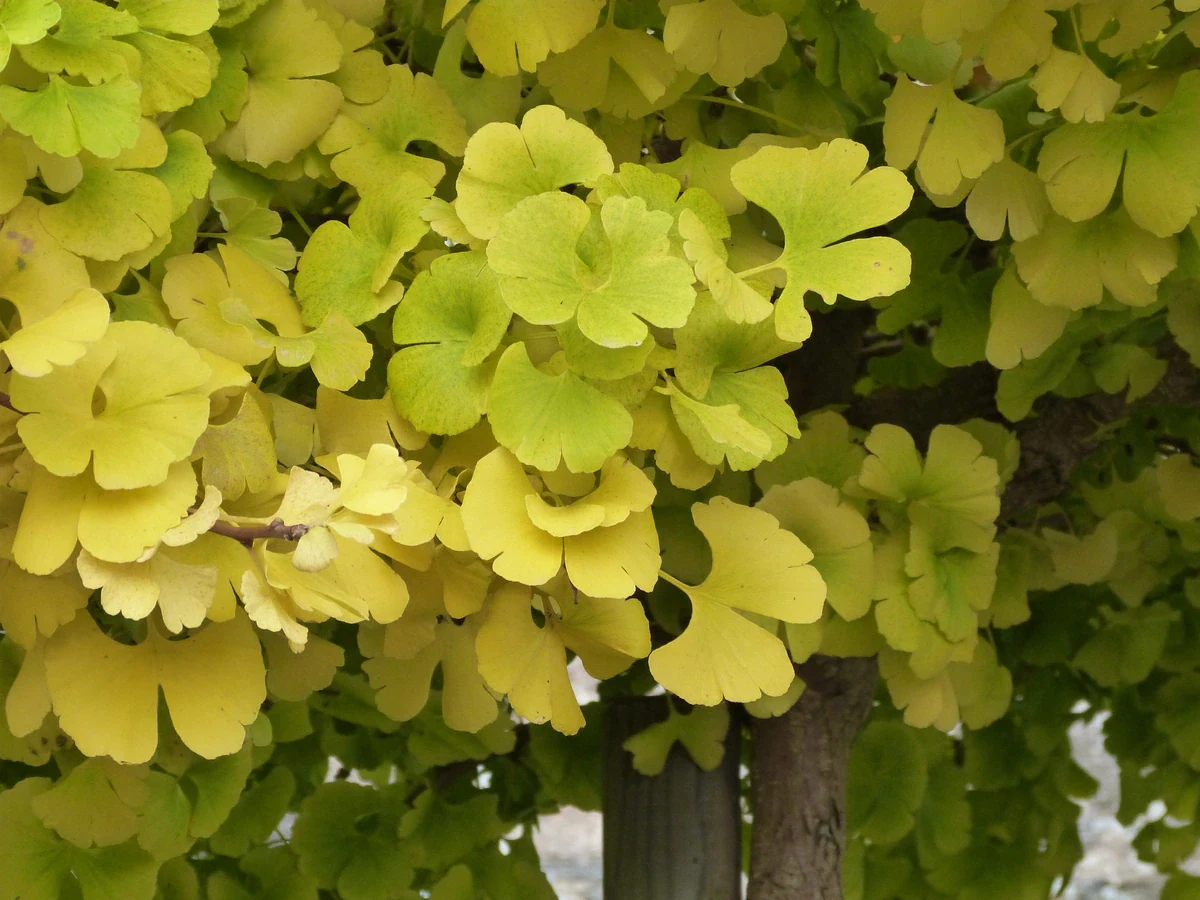
Find a fan-shaped leaf, then look up at the tree it came from. The Katarai avenue lets you compare a whole line of ginkgos; green leaves and bare winter branches are worth noticing as well as yellow autumn colour.

Japanese zelkova

The great tree in the Open Field is a zelkova. Enjoy its broad crown from a little distance, then compare its pointed, toothed leaves with the fan-shaped ginkgo leaves you saw earlier. Leave fallen material where it lies.

Common kingfisher

The park’s nature leaflet introduces this small water-side bird. Look for a long bill, blue-green upperparts and an orange underside, or listen for a sharp call. Watch quietly from permitted paths; if the bird becomes alert to you or stops what it was doing, give it more space.

Trees and planted flowers are the reliable starting point for a nature walk. Wild birds choose their own timing. Bring binoculars if you have them, keep a respectful distance, and enjoy whatever is present rather than expecting a particular sighting.

Fan-shaped yellow and green ginkgo leaves clustered along branches, photographed in France.

Ginkgo leaves turning yellow in Côtes-d’Armor, France, in October 2016. This example illustrates the tree grown at Showa Kinen Park; it is not a photograph of the park.

Feuilles de Ginkgo biloba en automne.jpg — Thérèse Gaigé, CC BY-SA 4.0 (https://creativecommons.org/licenses/by-sa/4.0/). Source: https://commons.wikimedia.org/wiki/File:Feuilles_de_Ginkgo_biloba_en_automne.jpg. Proportionally reduced to a 1200-pixel long edge without upscaling; recompressed to WebP quality 92, method 6. No crop, retouching, added text or colour correction. EXIF omitted. · Creative Commons

Stories and discoveries

A field shaped around a tree

The Open Field’s great zelkova was already growing here when the park was planned. The designers made it the center of the field, giving a pre-existing tree a continuing place in a new public landscape.

Rainwater has another job

A large storage tank beneath the southern half of the Open Field collects rainwater. The park explains that stored water is sent to Waterfowl Lake and reused for landscape water features and toilet flushing. The scenery is also part of a working water system.

A spring display takes daily work

The Stream Area’s tulip design drew on advice from a former director of Keukenhof. Park staff maintain the display with tasks such as removing spent flowers, mowing and clearing the water. A little attention to the edges and surfaces reveals how carefully the seasonal picture is made.

When to visit

Spring: choose the flowers you came for

Cherry blossom is typically followed by the Stream Area’s tulips around April, then later spring displays. A flower-focused visit is more enjoyable when you choose the garden that is actually doing well that week. Check the current report before setting out.

Summer: keep the route light

Hydrangeas and irises bring early-summer interest, followed by summer flowers. Take water, use shade and pause often. In strong heat, the short lake visit may be enough; there is no prize for reaching the far end of the park.

Autumn: flowers first, then ginkgo colour

Cosmos and mixed flower beds can make an early-autumn visit, while November is the usual ginkgo season. The October 15, 2026 report says eastern-field cosmos were delayed by long rain, with peak bloom forecast for late October. Follow current reports rather than expecting old promotional photographs to match your day.

Winter: tree shapes and a shorter day

Look at the outlines of bare trees and spend a quiet few minutes beside the lake. Bring a warm layer and keep the 16:30 main closing time in mind. Check the January closure week before traveling.

Getting there and practical advice

Opening hours and closed days

The main park normally opens at 09:30. It closes at 17:00 in March–October and 16:30 in November–February; on weekends and public holidays in April–September, closing is 18:00. It closes December 31–January 1 and from January’s third Monday through Friday. Check the operating calendar for event hours or weather closures.

Admission and re-entry

General entry is ¥450 for high-school age and above, ¥210 for age 65 and over, and free for junior-high-school age and younger. Ask at the gate for a re-entry ticket before leaving if you intend to return that day. Eligible Japanese disability certificates allow admission and parking exemptions for the holder and one accompanying person; confirm the documents accepted.

Baby care and loans

Nishi-Tachikawa Gate has a baby rest room and free first-come stroller loans. Baby rest rooms elsewhere include the Open Field’s central management building and Children’s Forest House. Hot water for milk is provided, but microwaves for baby food are not. Return borrowed strollers to the gate where you collected them.

The Park Train

The train’s route varies by day and can change with weather. A single ride is ¥400 for adults aged 15 and over and ¥200 for children aged four through junior-high-school age; paying again is necessary after getting off. Buy from staff when the train arrives, using cash. Check the day’s route and last service before relying on it.

Bicycle hire

Standard hire is ¥600 for three hours for adults and ¥350 for junior-high-school age and younger, with overtime charged in thirty-minute blocks at ¥100 and ¥50 respectively. Equipment availability varies. Children must already be able to ride the course; ask about bicycle size or a child-seat bicycle before paying.

Food and rest stops

The official map marks refreshments near Nishi-Tachikawa Gate, the lake, the Stream Area and the Open Field. Outlets have their own opening days and finish earlier than the gates. Bring water and a snack so a closed kiosk does not decide the length of your day.

The simplest rail arrival

Use the JR Ōme Line to Nishi-Tachikawa Station and leave by the Park Exit. Nishi-Tachikawa Gate is about two minutes away on the operator’s access guide. Add the walk within the park to your chosen destination. Check the station’s current lift route if you need step-free access.

Arriving from central Tachikawa

From JR Tachikawa North Exit, allow about eighteen minutes to Tachikawa Gate, or ten minutes to Akebono Entrance in the free Green Cultural Zone. From Tama Monorail Tachikawa-kita’s Park Exit, the corresponding times are about sixteen and eight minutes. Choose this side for the Canal or Cultural Center.

If you drive

There are paid car parks at Tachikawa, Nishi-Tachikawa and Sunagawa. Standard cars cost ¥900 for the day within park hours. Nishi-Tachikawa suits the main suggested walk; Sunagawa suits the northern areas. Parking cannot be reserved and can fill in spring and autumn. Do not leave a car overnight.

Plan the return as carefully as the outward walk

Borrowed wheelchairs are free and first-come, with return to the same gate. Ask staff about current path conditions and suitable toilets, especially while No. 24 is closed. Restaurants and shops are listed as wheelchair-accessible, but the wider grounds include different surfaces and slopes. The management center is on 042-528-1751.

Check space before depending on the train

Each Park Train can carry one wheelchair user remaining in their chair; other wheelchairs and strollers are carried folded. Space and service are limited, and the train is suspended all day on October 17, 2026. Agree on a practical return plan before traveling far into the grounds.

Visitor information

October 17, 2026: race-day changes

The Hakone Ekiden qualifying race brings restricted areas and pedestrian diversions. Tachikawa, Nishi-Tachikawa and Sunagawa entrances open at 07:30; Akishima and Tamagawa-josui open at the usual 09:30. The Park Train is suspended all day and cycleways are unavailable until about noon. Road restrictions affect the race course in Tachikawa from 08:30 to 09:30. Choose another date for the simplest quiet nature visit.

October 20–21: part of the Open Field restricted

A sports competition restricts the northwest Open Field and disc-golf OUT holes 7–9 on October 20–21, 2026. If postponed, the reserve dates are October 27–28. Use the open parts of the field and follow staff directions.

Toilet and play-equipment checks

Toilet No. 24 at the Flowering Tree Garden Exhibition House is listed closed September 1–November 30, 2026. Ask for another open toilet. Rainbow Hammocks in Children’s Forest have all-day maintenance closures on November 11, 2026 and January 13, 2027; these are individual closure dates, not a continuous shutdown.

October 29–November 29: autumn evening visits

The 2026 Autumn Night Walk uses special evening areas and entry arrangements. Night entry and exit are through Nishi-Tachikawa and Tachikawa only. Japanese Garden evening viewing generally needs an extra ticket after 16:30; October 29–30 are exceptions. Day visitors must leave the garden by 16:00 before evening reopening. Check the event page for tickets and vehicle arrangements rather than assuming the daytime visit can simply continue everywhere.

Sources and useful links

Wildlife you might spot

3

Each card links to a full Explore page with photos, traits, and fun facts.

Snap map for this place

Start with the big picture, then zoom in to explore individual wildlife observations around this place.

Loading map…

Good to know before you go

Check current notices as well as the opening calendar. October 17, 2026 has major race restrictions, and some facilities have separate closures.

Use Nishi-Tachikawa Gate for this first-visit route. A sign for the park from Tachikawa Station does not mean you have reached the paid-area gate.

Bring water, a picnic sheet and a bag for your rubbish. Keep children close beside water, and rest before anyone is too tired for the return walk.

Follow pedestrian paths. Cycleways are bicycle-only; bicycles must stay on them and be parked at designated stands for visits to gardens and lawns.

Look without collecting plants or catching animals. Stay outside flower-bed ropes and closed areas, and watch birds quietly from a distance.

Do not touch or eat mushrooms in the grounds. The park’s September 2026 warning also asks visitors to watch pets carefully.

Carry some cash if you plan to use the Park Train or other small paid facilities. Do not rely on the train as your only way back; routes, availability and queues change.

Give other visitors room when taking photographs. Keep tripods out of narrow paths, never enter flower beds for a picture, and check the park’s permission rules for commercial or exclusive-location shoots.

Frequently asked questions

The Green Cultural Zone is free, but the main park is normally paid. General admission is ¥450 for high-school age and above, ¥210 for people aged 65 and over, and free for junior-high-school age and younger. Age proof may be requested for the senior rate. Parking, hire and some events cost extra.
For the suggested walk, take the JR Ōme Line to Nishi-Tachikawa and use the Park Exit. The operator gives about two minutes to Nishi-Tachikawa Gate. JR Tachikawa’s North Exit is about 18 minutes from Tachikawa Gate, or about ten minutes from Akebono Entrance into the free zone.
You can have a very good afternoon without seeing all of it. Choose the lake and Open Field route, or make the Japanese Garden, Children’s Forest or Komorebi Village the focus. Leave time for the return walk and earlier-closing facilities.
Ordinary daytime entry is included in park admission. It normally closes 30 minutes before the main park. Evening light-up visits have separate arrangements: for the 2026 autumn event, a Japanese Garden viewing ticket is generally required in addition to park entry, with an exception on October 29–30.
No. The dedicated course is for riders who can already cycle, and practice is prohibited. Training-wheel bicycles, balance bikes, tricycles and walking are not allowed on it. Ask the cycle center about a suitable bicycle or approved child seat before hiring.
Pets may enter subject to the park’s signed pet agreement and lead rules. They cannot accompany you into the Japanese Garden or onto the Park Train; assistance dogs are allowed on the train. Check the full pet rules before planning a garden-focused visit.

Recent snaps at this place

Recent snaps will appear here as new observations are added.

View all ›

Take the discovery with you

Exploring Showa Kinen Park?

Identify the wildlife you spot, learn as you go, and keep a collection of the adventure.

  1. 1Spot it
  2. 2Snap it
  3. 3Keep the discovery









