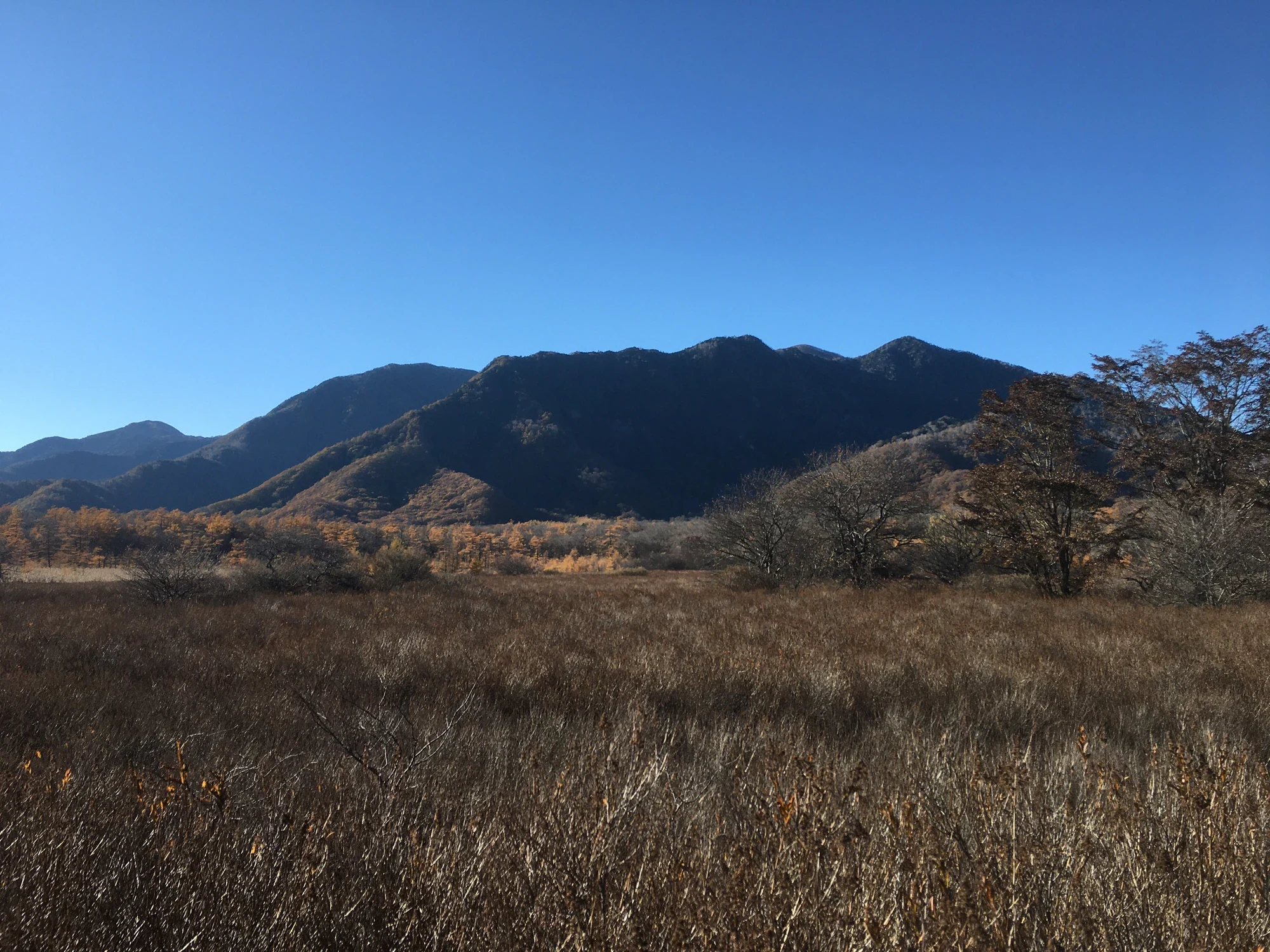
Nikko has room for both ornate shrines and a very different kind of day: open wetland, mountain-backed water and small birds moving through the trees. For this visit, head up into Okunikko and concentrate on Yumoto, Lake Yunoko and Senjogahara. These places sit along the same bus corridor, but they are separate stops. The national park extends across Tochigi, Gunma and Fukushima; its Nasu and Shiobara areas, and the World Heritage shrines and temples in central Nikko, belong to other outings.
Begin at Nikko Yumoto Visitor Center. Its landscape model helps turn a collection of unfamiliar names into a place you can understand: lakes, river, wetland and the mountains around them. Spend time with the wildlife and plant displays, then ask what is worth looking for that day and which paths are open. The center also explains the less obvious things outside, including why trees may be wrapped in protective netting and why deer fences divide parts of the landscape. Admission is free.
Lake Yunoko makes a gentle first stop near the visitor center. Keep this to a short look from the Yumoto shore if you are also going to the marsh. In the cooler months, bring binoculars and compare the waterbirds rather than simply counting ducks: a tufted duck’s yellow eye and hanging crest look quite different from a coot’s white bill and forehead. The full lakeside circuit is a separate walk of about 3 km, normally taking 1–1.5 hours; it closes in winter. Going down to the foot of Yudaki Falls adds a steep stair connection and a different return plan.
For Senjogahara, take the road bus from Yumoto back towards Nikko and get off at Akanuma. Follow the signed nature trail towards the marsh viewing deck, pause where the view opens, then return the same way. Allow 60–90 minutes for this shorter outing, with time to watch the river and study plants from the boardwalk. It is a satisfying choice if your group wants to explore without committing to the full crossing. Sanbonmatsu has a separate roadside marsh viewpoint; it is not a shortcut across the wetland to the Akanuma trail.
The open ground has a long story. Volcanic activity blocked water here, and the former lake gradually filled with plant remains to become wetland. Look beyond the broad sweep of grass for different textures: wet ground, shrubs, woodland edges and the Yukawa River threading through the landscape. Early summer can bring the white seed heads of hare’s-tail cottongrass; later, pink flower spikes of hozaki shimotsuke add colour. In autumn, the low vegetation changes colour as well as the trees. The boardwalk lets you see this living surface without trampling it.
There is another layer of the visit in the woods. Great spotted woodpeckers, willow tits and Eurasian nuthatches are included in the local bird calendar. Stop somewhere that leaves room for other walkers, listen, then scan the trunks and branches. If you find deer browsing signs or protective fencing, use them to talk about how a native animal can become a conservation problem when its numbers rise. Wildlife is a possibility, never an appointment. Bears also live throughout Okunikko, so check the latest notices and avoid dawn, dusk and solitary walking.
A longer day can continue from Akanuma through Senjogahara to Yudaki, but treat that as the main walk rather than an automatic extra. The visitor center lists about 5 km and 2.5–3 hours for that route. As checked on 16 October 2026, the eastern path between Yudaki and Kotaki is closed for works until the end of March 2027, with a signed alternative allowing passage towards Senjogahara. Confirm the diversion before setting out, and leave time to reach your onward bus. If the weather or trail advice is unhelpful, a shorter lake-and-center visit is still worthwhile. Enhance your adventure: download the Snappit app to identify the local species you encounter.
Nikko National Park was designated on 4 December 1934. Its borders have changed over time; Oze became a separate national park in 2007. In Okunikko, the landscape’s history goes much further back: volcanic activity created dammed lakes, and Senjogahara developed as vegetation accumulated in one of them. Its name means “battlefield,” recalling a legend about the deities of Mount Nantai and Mount Akagi competing for Lake Chuzenji. That is a story attached to the landscape, not evidence of a human battle here. Lake Yunoko, the Yukawa River, Senjogahara and Odashirogahara together became the Oku-Nikko-shitsugen Ramsar site in 2005.