_female.jpg&width=800)





Abyssinian Ground Hornbill
Bucorvus abyssinicus
The Abyssinian Ground Hornbill is a large, colorful bird that loves to walk around on the ground. They have big, bright beaks and can be very social with their friends.
Habitat: Savannas
The Abyssinian Ground Hornbill is a large, terrestrial bird with glossy black plumage and a striking bare blue face and throat patch. It has long, dark eyelashes and a prominent, hollow black casque atop its large beak, which is darker in males and reddish in females.
Category
BirdsRarity
Common
Danger
1/5 · Very low
Snaps
Be the first to snap!
Abyssinian Ground Hornbills often hunt venomous snakes and scorpions, smashing them with their beaks!
The bare skin on their face can change color, showing how excited or angry they feel!
Their loud booming calls are so deep, you might feel them vibrating through the ground!
They use their big feet to stomp the ground, flushing out hidden insects and small animals!
Abyssinian Ground Hornbill has a powerful, dagger-like beak that helps them dig for food and even break small bones.
Abyssinian Ground Hornbill has long, feathery eyelashes that protect its eyes from dust and debris while hunting.
Abyssinian Ground Hornbill can produce deep, booming calls that help them communicate across long distances in their savanna home.
The Abyssinian Ground Hornbill has a hollow casque on its beak that may amplify its calls, helping it 'drum' its message.
This omnivore eats mostly small animals and insects, but also fruit and seeds found on the ground.
Naja nigricollis
A skilled hunter of dangerous snakes and other reptiles.
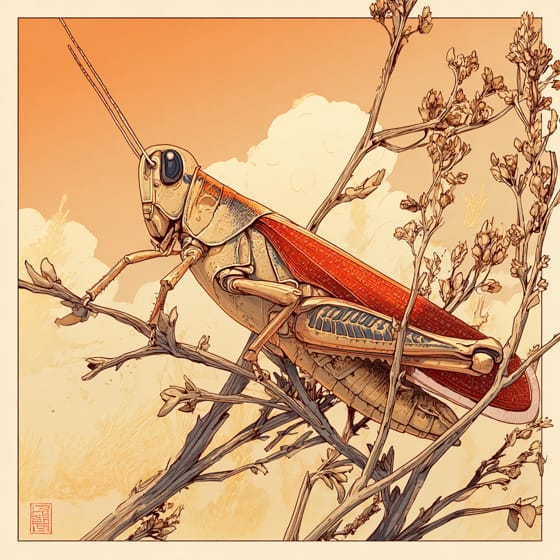
Schistocerca gregaria
Helps control pest insect populations, including locust swarms.
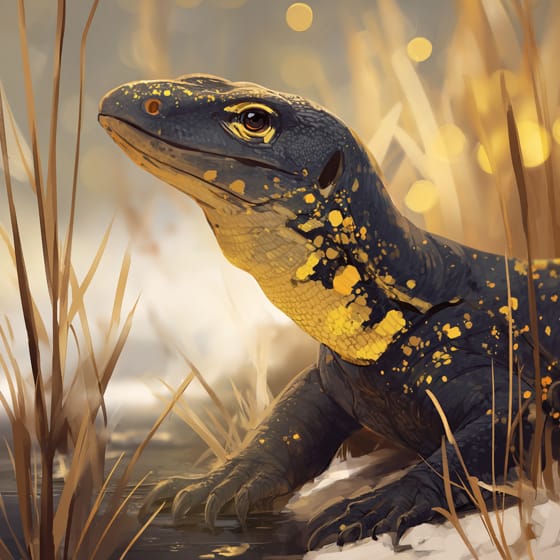
Varanus niloticus
Eggs and chicks in ground nests can be predated by monitor lizards.
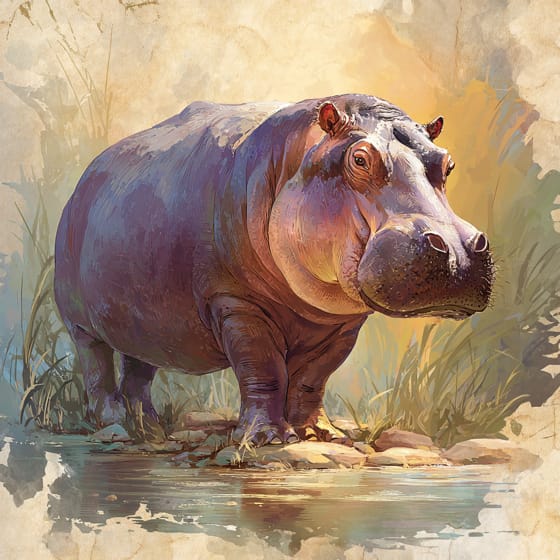
Hippopotamus amphibius
Sometimes follows large grazers to catch insects disturbed by their movements.
Feathered describes animals, primarily birds, possessing a covering of feathers.
Social animals live in organized groups, cooperating for survival benefits such as foraging, defense, and raising offspring.
Colorful describes organisms or objects displaying a wide range of bright and distinct colors.
This trait identifies organisms whose diet primarily consists of insects and other small invertebrates.

This habitat trait denotes species native to savannas, which are grasslands with scattered trees, typically found in tropical or subtropical regions with distinct wet and dry seasons.

This trait characterizes organisms with an exceptionally long lifespan compared to others of their kind.

This trait identifies organisms whose diet consists entirely or primarily of animal tissue.

Diurnal animals are primarily active during daylight hours, typically resting or sleeping at night.

Endangered status indicates a species is at a very high risk of extinction in the wild in the near future.
No aliases listed yet.
Danger
1/5 · Very low
Always watch birds from a distance and do not try to touch them.
The easiest way to identify Abyssinian Ground Hornbill is to use the Snappit nature identifier app.
90-110 cm
120-180 cm
2.5-4.5 kg
30-50 years
35 km/h
This omnivore eats mostly small animals and insects, but also fruit and seeds found on the ground.
Savannas
Zoom in to split clusters and explore where this object has been snapped.
Recent snaps will appear here as new observations are added.
Take the discovery with you
Snap it with Snappit to identify it, learn what makes it special, and add the discovery to your collection.




.jpg&width=800)







