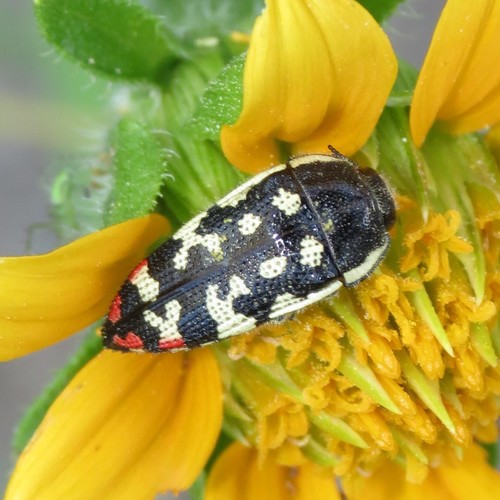


Acmaeodera Opacula
acmaeodera opacula
Acmaeodera opacula is a fascinating species of jewel beetle that belongs to a unique group known colloquially as 'flower buprestids.' Unlike many of their metallic, iridescent relatives that blend into leaves and bark, these small, industrious beetles are most commonly found taking center stage on the blooms of native wildflowers. They serve a dual ecological purpose in their arid and semi-arid habitats. As adults, they act as minor pollinators while feeding on pollen and petals, inadvertently transferring pollen from flower to flower. In their larval stage, they are critical decomposers, boring into dead or dying wood to help break down tough plant material and recycle nutrients back into the ecosystem.
Habitat: Found in dry, open woodlands, scrublands, and desert margins, often resting conspicuously on the blossoms of native wildflowers.
This species features a relatively small, elongated, and somewhat cylindrical body that is slightly flattened. Unlike most typical beetles, Acmaeodera lack a visible scutellum (the small triangular plate between the bases of the wing covers). The 'opacula' in its name suggests a duller, more opaque exterior compared to the flashy brilliance of other jewel beetles. It generally presents with a dark, often brownish-black to black base color, typically mottled or banded with subtle lighter markings such as yellow, orange, or reddish spots that help it blend into the dappled light of the flowers it frequents.
Category
InsectsRarity
Common
Danger
1/5 · Very low
Snaps
Be the first to snap!
Because of their fused wing bases, they are quite agile flyers, able to take off rapidly when disturbed on a flower.
Species in the genus Acmaeodera are highly unusual among beetles because they lack a visible scutellum, the small triangular plate typically seen between the wing covers.
Their specific epithet 'opacula' hints at a somewhat less shiny, more opaque exoskeleton, setting them apart from the famously bright, iridescent members of the jewel beetle family.
Like others in its genus, this beetle has the bases of its wing covers (elytra) fused together, allowing it to fly effectively without fully opening them.
In its larval stage, it possesses specialized enzymes in its gut that allow it to digest tough cellulose and lignin from dead and dying timber.
It thrives in hot, arid environments, exhibiting physiological adaptations that prevent desiccation during the peak heat of the day.
Adults feed primarily on the pollen, nectar, and petals of flowers, while the larvae consume the wood of dead or dying trees and shrubs.
Age differences: There is a complete dietary shift during metamorphosis; larvae are xylophagous (wood-eating) borers, whereas adults are florivorous (flower-eating).

Encelia farinosa
Adults often visit the flowers of these desert shrubs to feed on pollen.
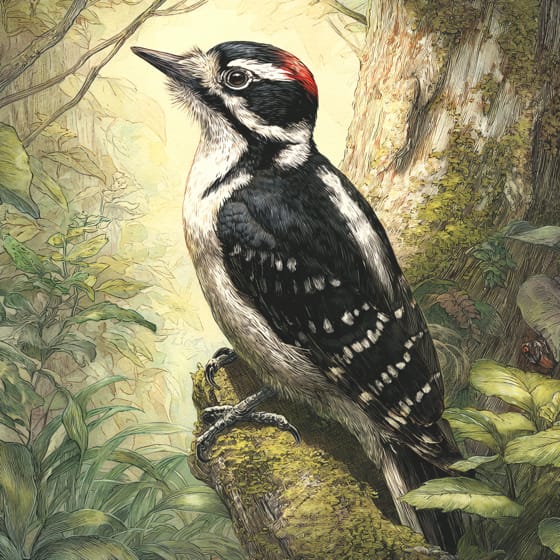
Leuconotopicus villosus
Woodpeckers forage for the wood-boring larvae hidden inside dead branches.
Chalcididae
Parasitoid wasps seek out the hidden larvae of jewel beetles to lay their eggs.
No trait badges are assigned for this object yet.
No aliases listed yet.
Collections for this object will appear here as more themes are added.
Danger
1/5 · Very low
No special safety notes yet.
The easiest way to identify Acmaeodera Opacula is to use the Snappit nature identifier app.
1 cm
1-2 cm
0.00001-0.00005 kg
1-3 years
Adults feed primarily on the pollen, nectar, and petals of flowers, while the larvae consume the wood of dead or dying trees and shrubs.
Found in dry, open woodlands, scrublands, and desert margins, often resting conspicuously on the blossoms of native wildflowers.
Foraging
Zoom in to split clusters and explore where this object has been snapped.
Recent snaps will appear here as new observations are added.
Take the discovery with you
Snap it with Snappit to identify it, learn what makes it special, and add the discovery to your collection.









.jpg&width=800)




