





Panorpa
Panorpa
Panorpa, also known as scorpionflies, are fascinating insects with long bodies and unique wings. They often look like they have a scorpion's tail, but they're harmless and love to fly around in gardens and forests.
Habitat: Forests
The Panorpa is a slender insect with four clear, membranous wings often mottled with dark spots. Males uniquely possess an enlarged, reddish genital segment curved upwards like a scorpion's tail, though it's harmless. They have a distinctive, downward-pointing rostrum, making their head appear elongated.
Category
InsectsRarity
Common
Danger
1/5 · Very low
Snaps
Be the first to snap!
Males often wrestle each other to win the best mating spots or food gifts.
Scorpionflies have been flying around since the age of dinosaurs!
Their larvae look like tiny, grub-like caterpillars living entirely underground.
They act like nature's clean-up crews, munching on dead insects in forests.
Panorpa males have a curved, scorpion-like tail (genitalia) that helps them hold females securely during mating.
Panorpa has a long, beak-like rostrum that helps them slurp up nectar, fruit juices, and fluids from dead insects.
Panorpa larvae live hidden in the soil as grub-like creatures, which helps them stay safe from predators until they transform.
These insects are scavengers and predators, feasting on dead insects and sometimes fresh ones.
Age differences: Larvae primarily feed on decaying organic matter in the soil, while adults have a broader diet.
Musca domestica
Panorpa often scavenge on dead house flies.
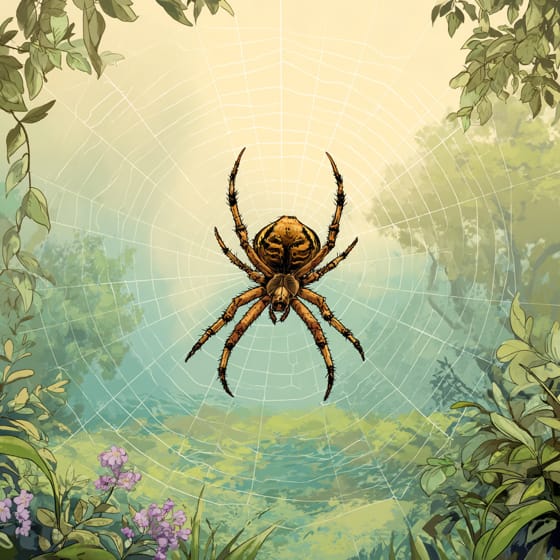
Araneus diadematus
Spiders frequently catch adult Panorpa in their webs.
%2C_Parc_de_Woluw%C3%A9%2C_Brussels_(13042792905).jpg&width=800)
Parus major
Forest birds, like great tits, prey on scorpionflies.
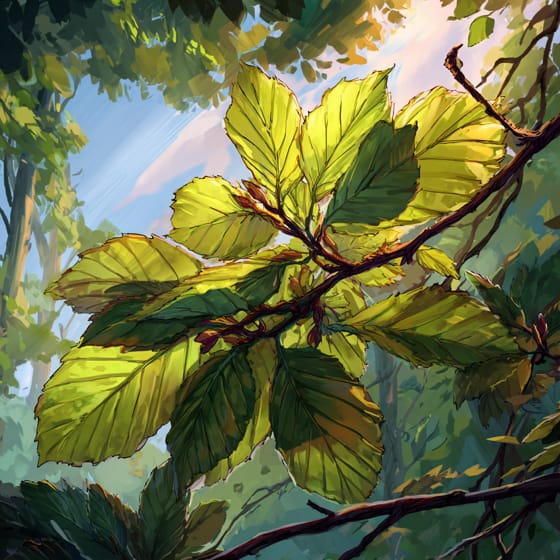
Fagus sylvatica
Panorpa thrives in forests with rich leaf litter from trees like beech.
Solitary animals live alone for most of their lives, only interacting with others for mating or parental care.
Colorful describes organisms or objects displaying a wide range of bright and distinct colors.
This trait characterizes organisms whose diet consists entirely or primarily of plant material.
Describes plants that are particularly attractive and beneficial to a wide range of pollinating organisms.

Forest habitats are terrestrial environments dominated by dense tree cover, supporting a high diversity of plant and animal life.

Diurnal animals are primarily active during daylight hours, typically resting or sleeping at night.

Describes organisms that transfer pollen, enabling the fertilization and reproduction of plants.
Danger
1/5 · Very low
Panorpa are safe to observe, but always watch insects from a distance.
The easiest way to identify Panorpa is to use the Snappit nature identifier app.
25-35 mm
15-25 mm
30-60 days
These insects are scavengers and predators, feasting on dead insects and sometimes fresh ones.
Forests
Scavenging
6
Zoom in to split clusters and explore where this object has been snapped.
Recent snaps will appear here as new observations are added.
Take the discovery with you
Snap it with Snappit to identify it, learn what makes it special, and add the discovery to your collection.







.jpg&width=800)


