

Adenocarpus Foliolosus
adenocarpus foliolosus
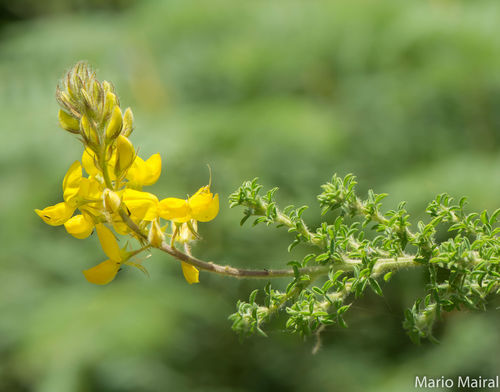
Adenocarpus foliolosus, commonly known as codeso de monte, is a striking evergreen shrub endemic to the Canary Islands. Belonging to the legume family, this vibrant plant plays a crucial ecological role in the transition zones between humid laurel forests and drier pine forests. Its dense, leafy structure and profuse, golden-yellow blooms light up the volcanic hillsides of Tenerife, Gran Canaria, La Palma, La Gomera, and El Hierro. Highly adapted to the unique microclimates of the Canarian mid-lands, the codeso frequently intercepts moisture from the trade-wind-driven sea of clouds, channeling water to the forest floor. With its nitrogen-fixing capabilities, it acts as a pioneer species that enriches the soil and facilitates the growth of neighboring native flora.
Habitat: Found in Canary Island pine forests, transition zones of laurel forests, and sunny montane shrublands on volcanic soil.
This highly branched, woody shrub typically stands between 100 and 300 centimeters tall. It features small, three-parted (trifoliate) green leaves that are densely crowded along the branches, creating a soft, feathery texture. From late winter to early summer, it produces dense, upright clusters of bright yellow, pea-like flowers. These are followed by elongated, flattened green seed pods that are distinctively covered in sticky, gland-tipped hairs, which darken as they mature.
Category
PlantsRarity
Common
Danger
1/5 · Very low
Snaps
Be the first to snap!
Because it is quick to colonize degraded volcanic landscapes, it serves as a critical pioneer plant for ecological restoration after forest fires.
Historically, Canarian farmers used the sturdy, pliable branches of this shrub to construct traditional rustic brooms.
The genus name Adenocarpus translates directly to 'glandular fruit', a nod to the prominent sticky bumps on its seed pods.
Houses symbiotic Rhizobium bacteria in its root nodules, allowing it to convert atmospheric nitrogen into nutrients to thrive in nutrient-poor volcanic soils.
Its dense, fine-textured foliage excels at condensing water droplets from passing mountain fog, performing a form of horizontal precipitation.
Features sticky, glandular hairs on its seed pods that secrete deterrent compounds to discourage seed-eating insects and herbivores.
As a photosynthetic plant, it manufactures its own energy from sunlight, water, and carbon dioxide while absorbing essential minerals from volcanic soils.
Bombus canariensis
Provides abundant nectar and pollen to this endemic bumblebee species during the spring bloom.
Uresiphita gilvata
The caterpillars of this moth feed extensively on the leaves of the shrub.
Phylloscopus canariensis
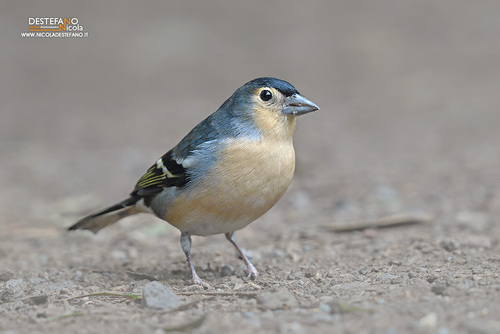
Forages for insects among the dense, protective foliage of the shrub.
No trait badges are assigned for this object yet.
No aliases listed yet.
Collections for this object will appear here as more themes are added.
Danger
1/5 · Very low
No special safety notes yet.
The easiest way to identify Adenocarpus Foliolosus is to use the Snappit nature identifier app.
100-300 cm
10-30 years
As a photosynthetic plant, it manufactures its own energy from sunlight, water, and carbon dioxide while absorbing essential minerals from volcanic soils.
Found in Canary Island pine forests, transition zones of laurel forests, and sunny montane shrublands on volcanic soil.
Zoom in to split clusters and explore where this object has been snapped.
Recent snaps will appear here as new observations are added.
Take the discovery with you
Snap it with Snappit to identify it, learn what makes it special, and add the discovery to your collection.








.jpg&width=800)



_001.jpg&width=800)




