





Brittle Pricklypear
Opuntia fragilis
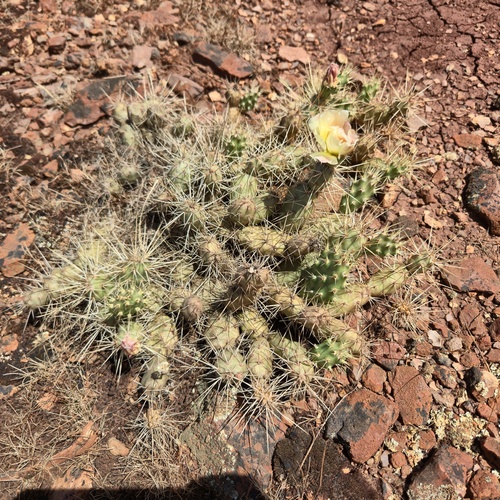
The Brittle Pricklypear is a small cactus that loves sunny places! It has flat pads and pretty yellow flowers that bloom in the spring. This cactus can grow in rocky areas and is very special because it can survive in tough conditions.
Habitat: Desert
The Brittle Pricklypear has small, flattened, oval-shaped pads that form low, sprawling clumps, often tinged with purple in cool weather. It displays vibrant yellow, sometimes orange, cup-shaped flowers. Its pads are noticeably smaller and more fragile than other pricklypear cacti.
Category
PlantsRarity
Common
Danger
2/5 · Low
Snaps
15
Despite its name, its fruit (a 'tuna') is sweet and juicy when ripe!
If a pad breaks off, it can roll in the wind to a new spot and grow roots!
It holds the record as the cactus found farthest north in Canada!
Its name 'brittle' comes from how easily its pads break off with just a touch!
Brittle Pricklypear has pads that easily detach, allowing them to root and grow new plants quickly, spreading its territory.
This cactus can store lots of water in its thick, succulent pads, helping it survive long periods without rain.
It has tiny, hair-like spines called glochids that easily embed in skin, making it unpleasant for predators to eat.
Brittle Pricklypear is one of the most cold-hardy cacti, able to survive freezing temperatures in northern climates.
Apis mellifera
Visits bright yellow flowers for nectar.
Bombus impatiens
Busy collecting pollen from its blooms.

Odocoileus virginianus
Deer browse its pads, despite the spines.
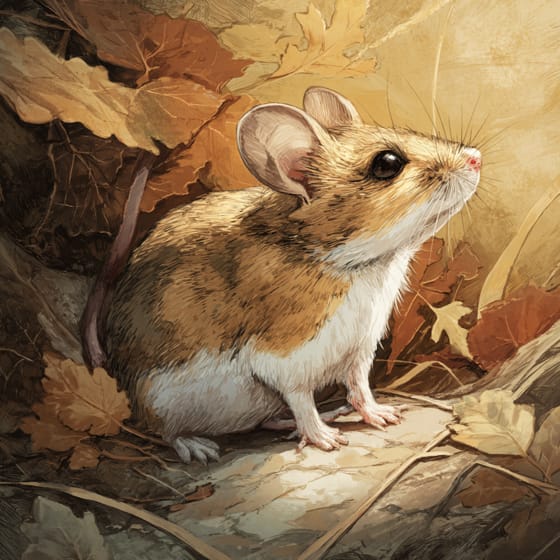
Peromyscus maniculatus
Eats its small, sweet fruits and sometimes pads.
Flowering plants are any plants that produce flowers as part of their reproductive cycle.
Spring blooming plants produce their flowers during the spring season, often signifying the end of winter and the start of new growth.
Drought-tolerant plants can survive and flourish in conditions with limited water availability.
Succulent plants have thickened, fleshy parts, usually leaves or stems, adapted to store water in arid climates.

Edible plants are those parts of a plant that are considered safe for human consumption.

Describes plants that are particularly attractive and beneficial to a wide range of pollinating organisms.

Desert habitats are arid regions characterized by extremely low precipitation and often extreme temperatures, supporting specialized flora and fauna.

Possessing sharp, pointed projections or spines on the body or surface.
No aliases listed yet.
Danger
2/5 · Low
Be careful around cacti! Their spines can poke you.
The easiest way to identify Brittle Pricklypear is to use the Snappit nature identifier app.
5-30 cm
30-150 cm
2-3 cm
Spring-summer
Yes
Mild
Perennial
Zoom in to split clusters and explore where this object has been snapped.
Jun 7, 2026
Painted HillsPhoto attribution
(c) John Clonce, some rights reserved (CC BY)
License: CC BY 4.0 ↗
Image may be shown cropped inside the card frame.

Colorado, US
You might spot Common Side-Blotched Lizard and Eastern Collared Lizard.
View guide →

Oregon, US
You might spot Blue Mountain Prairie Clover and Munro's Globemallow.
View guide →

South Dakota, US
You might spot Brittle Pricklypear and Eastern Redcedar.
View guide →
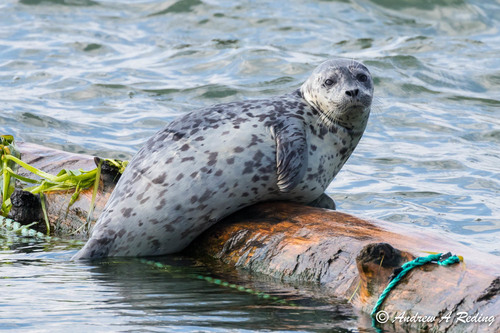
British Columbia, CA
You might spot Harbor Seal, Evergreen Huckleberry, and Alumroots.
View guide →

Arizona, US
You might spot Golden Eagle, Black Bear, and Cougar.
View guide →

Nebraska, US
You might spot Two-Spined Spur-Throat Grasshopper.
View guide →
Take the discovery with you
Snap it with Snappit to identify it, learn what makes it special, and add the discovery to your collection.








.jpg&width=800)



_001.jpg&width=800)



