





Hooker's onion
Allium acuminatum
Hooker's onion is a special plant that grows in the wild. It has long, slender leaves and pretty purple flowers that bloom in spring. This plant is a favorite for bees and butterflies!
Habitat: Mountain regions
The Hooker's onion has striking bright pink to magenta, bell-shaped flowers that cluster together on a slender stem. Its narrow, grass-like leaves often wither before the flowers appear, which grow from a papery, elongated bulb.
Category
PlantsRarity
Common
Danger
1/5 · Very low
Snaps
2
Indigenous peoples traditionally ate these bulbs, enjoying their mild onion flavor!
Its scientific name "acuminatum" means "tapering to a point," like its petals!
Some wild onions can grow so fast, their leaves sprout before the snow fully melts!
The bulbs have many papery layers, looking like tiny, striped lanterns underground!
Hooker's onion has an underground bulb that stores water and food, helping it survive hot, dry summers.
This plant can grow strong roots in thin, rocky soils, allowing it to thrive where other plants struggle.
Hooker's onion emits a strong onion smell that helps deter hungry animals from nibbling its tasty parts.
Its unique petals taper to a sharp point (acuminate), a distinct feature that helps identify it among other wild onions.
Bombus vosnesenskii
collects nectar and pollen
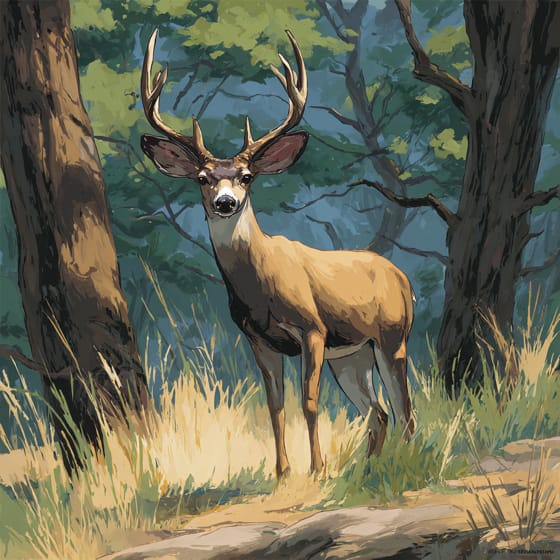
Odocoileus hemionus
grazes on leaves and flowers
Microtus longicaudus
eats nutrient-rich underground bulbs
Anthophora bomboides
visits flowers for nectar
Aromatic plants produce and emit fragrant volatile organic compounds, often for defense or to attract pollinators.
Flowering plants are any plants that produce flowers as part of their reproductive cycle.
Grass-like plants are herbaceous plants that visually resemble true grasses, typically having long, narrow leaves.
Spring blooming plants produce their flowers during the spring season, often signifying the end of winter and the start of new growth.

Fragrant flowers emit a pleasant aroma, often to attract pollinators or for defense.

Edible plants are those parts of a plant that are considered safe for human consumption.

Describes plants that are particularly attractive and beneficial to a wide range of pollinating organisms.

This habitat trait identifies species found in mountainous regions, characterized by high elevation, steep slopes, and varying climate zones.
No aliases listed yet.
Danger
1/5 · Very low
Do not eat any wild plants unless a grown-up says it's safe!
The easiest way to identify Hooker's onion is to use the Snappit nature identifier app.
10-50 cm
5-15 cm
0.5-1 cm
Late spring to early summer
Yes
None
Perennial
Zoom in to split clusters and explore where this object has been snapped.

Utah, US
You might spot Duck, Gambel Oak, and Box Elder.
View guide →

Wyoming, US
You might spot Long-Billed Curlew, Lesser Scaup, and Red-Winged Blackbird.
View guide →

Utah, US
You might spot Duck, Gambel Oak, and Box Elder.
View guide →
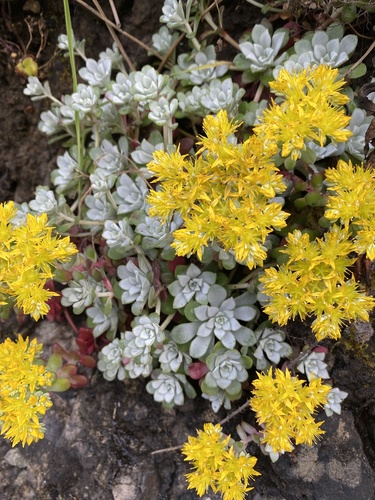
British Columbia, CA
You might spot Broad-Leaved Stonecrop and Western Rattlesnake Plantain.
View guide →
Take the discovery with you
Snap it with Snappit to identify it, learn what makes it special, and add the discovery to your collection.








.jpg&width=800)


_001.jpg&width=800)



