





bog wintergreen
Pyrola asarifolia
Bog wintergreen is a small, evergreen plant that grows in wet, shady places. It has shiny, dark green leaves and pretty white flowers that look like little bells.
Habitat: Wetlands
The bog wintergreen has rounded, leathery evergreen leaves that often show a reddish tint underneath. Its tall, slender stalk bears nodding, waxy, bell-shaped flowers, typically ranging from white to pink or purplish-red. It visually stands out with its low rosette and upright blooms in damp, shady habitats.
Category
PlantsRarity
Common
Danger
1/5 · Very low
Snaps
4
"Wintergreen" comes from its leaves staying green all winter!
It can grow in very acidic soil where many other plants can't!
Its tiny flowers hang upside down like little bells!
Some parts of this plant were traditionally used in folk medicine!
Bog wintergreen has thick, evergreen leaves that photosynthesize even under snow, giving it a head start in spring.
Bog wintergreen forms a symbiotic relationship with fungi to help absorb vital nutrients from nutrient-poor bog soils.
Bog wintergreen can spread via rhizomes (underground stems) to form new plants, effectively colonizing suitable damp areas.
Bombus impatiens
collects pollen and nectar from flowers.
Apis mellifera
visits flowers for nectar and pollen.

Odocoileus virginianus
occasionally nibbles its leaves and stems.
Bell-shaped flowers possess petals fused or arranged to form a cup-like or campanulate structure resembling a bell.
Flowering plants are any plants that produce flowers as part of their reproductive cycle.
Shade tolerant plants are adapted to grow and thrive in areas with low light levels, requiring less direct sunlight.
Evergreen plants retain their foliage throughout the year, never shedding all their leaves at once.

Fragrant flowers emit a pleasant aroma, often to attract pollinators or for defense.

Describes plants that are particularly attractive and beneficial to a wide range of pollinating organisms.

Forest habitats are terrestrial environments dominated by dense tree cover, supporting a high diversity of plant and animal life.

This habitat trait identifies species found in wetlands, which are areas of land saturated with water, either permanently or seasonally, including marshes, swamps, and bogs.
No aliases listed yet.
Danger
1/5 · Very low
Always look but don't touch plants in nature, as some can be harmful.
The easiest way to identify bog wintergreen is to use the Snappit nature identifier app.
5-30 cm
1-2 cm
Late spring to mid-summer
No
None
Perennial
Insect
Zoom in to split clusters and explore where this object has been snapped.
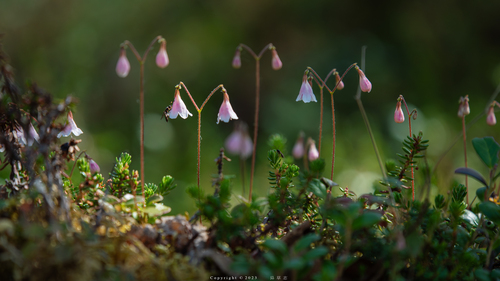
British Columbia, CA
You might spot Twinflower and Western Rattlesnake Plantain.
View guide →

Montana, US
You might spot Field Crescent, Thimbleberry, and Baker's Mariposa Lily.
View guide →

Alaska, US
You might spot Forest Bumble Bee and Alaskan Fritillary.
View guide →

Alaska, US
You might spot Dwarf Fireweed and Yellow Mountain-Avens.
View guide →
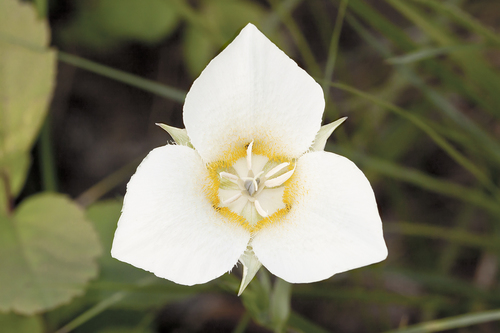
Montana, US
You might spot Baker's Mariposa Lily and Columbian Monkshood.
View guide →
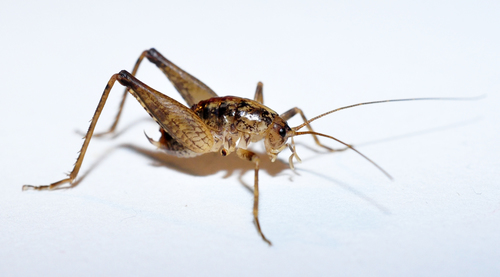
British Columbia, CA
You might spot Pristoceuthophilus Celatus.
View guide →
Take the discovery with you
Snap it with Snappit to identify it, learn what makes it special, and add the discovery to your collection.







.jpg&width=800)


_001.jpg&width=800)


