




Aerial Yellowjackets
Dolichovespula
Aerial Yellowjackets are small, yellow and black insects that can be found buzzing around in the summer. They build their nests high up in trees or under eaves, and they are known for their fast flying and social behavior.
Habitat: Urban areas, forests
The Aerial Yellowjacket has a sleek, segmented body with vivid yellow and black bands across its abdomen. Its head features distinctive yellow markings, often including an anchor-shaped design on its face. Unlike furry bees, it appears smooth and has a sharply defined, narrow waist.
Category
InsectsRarity
Common
Danger
3/5 · Moderate
Snaps
Be the first to snap!
A queen yellowjacket starts a whole new colony all by herself each spring!
Some aerial yellowjacket colonies can grow as large as a football!
Their papery nests are made from chewed wood fibers mixed with their own saliva!
They are excellent predators, catching flies and caterpillars to feed their young.
Aerial Yellowjackets can construct impressive, football-shaped paper nests because they chew wood fibers mixed with saliva.
Aerial Yellowjackets have a smooth stinger that allows them to sting multiple times, helping them defend their colony effectively.
Aerial Yellowjackets can hunt and paralyze various insects and spiders, helping to control pest populations in their habitat.
Aerial Yellowjackets are skilled hunters and scavengers, eating insects and sugary foods.
Age differences: Larvae are fed insects by adults, while adults primarily consume nectar and sugary substances.
Musca domestica
Adults capture flies to feed their developing larvae.
Pieris rapae
Larvae of this butterfly are a protein source for young yellowjackets.
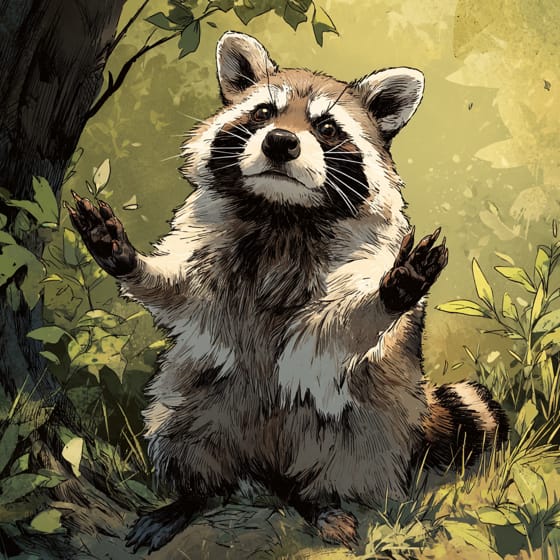
Procyon lotor
Raccoons occasionally raid aerial nests for larvae.
Marked with parallel bands or lines of color.
Social animals live in organized groups, cooperating for survival benefits such as foraging, defense, and raising offspring.
Aerial creatures spend a significant portion of their lives airborne, utilizing flight for various activities such as hunting, migration, or nesting.
This trait identifies organisms whose diet includes both plant and animal matter.

Colorful describes organisms or objects displaying a wide range of bright and distinct colors.

Forest habitats are terrestrial environments dominated by dense tree cover, supporting a high diversity of plant and animal life.

Diurnal animals are primarily active during daylight hours, typically resting or sleeping at night.

This trait identifies organisms that exhibit exceptional swiftness in movement for hunting, escape, or travel.

This habitat trait indicates species that can coexist with humans in urban and suburban environments, utilizing man-made structures and green spaces.

Describes organisms that transfer pollen, enabling the fertilization and reproduction of plants.
No aliases listed yet.
Danger
3/5 · Moderate
Be careful and keep your distance from Yellowjackets, especially near their nests.
The easiest way to identify Aerial Yellowjackets is to use the Snappit nature identifier app.
20-30 mm
10-15 mm
20-30 days
20 km/h
Aerial Yellowjackets are skilled hunters and scavengers, eating insects and sugary foods.
Urban areas, forests
Foraging
Zoom in to split clusters and explore where this object has been snapped.
Recent snaps will appear here as new observations are added.
Take the discovery with you
Snap it with Snappit to identify it, learn what makes it special, and add the discovery to your collection.









.jpg&width=800)


