





Canadian Melanolophia Moth
Melanolophia canadaria
The Canadian Melanolophia Moth is a beautiful insect that flutters around at night. With its soft, fuzzy body and lovely patterns, it is a special part of nature that helps flowers bloom by spreading pollen.
Habitat: Forests
The Canadian Melanolophia Moth has mottled grey-brown wings, often with wavy dark lines and a distinct dark spot on each forewing. Its textured appearance makes it look remarkably like tree bark. This bark-like camouflage helps it blend seamlessly into its forest environment.
Category
InsectsRarity
Common
Danger
1/5 · Very low
Snaps
1
Adult moths often live only a few weeks, focused on finding a mate and laying eggs quickly!
Baby Canadian Melanolophia Moths spend their days munching leaves, growing quickly before changing.
Its caterpillars are "loopers," moving like tiny inchworms that seem to measure the ground!
Moths, like this one, have feathery antennae that are amazing at smelling, even in the dark!
Canadian Melanolophia Moths have mottled grey-brown wings, helping them vanish against tree bark from sharp-eyed predators.
The moth can detect faint pheromones with specialized antennae, guiding males to females over long distances to mate.
Caterpillars munch on tree leaves, while adult moths typically don't feed, or sip only a little nectar.
Age differences: Caterpillars are voracious leaf-eaters; adult moths rarely feed, focusing on reproduction.
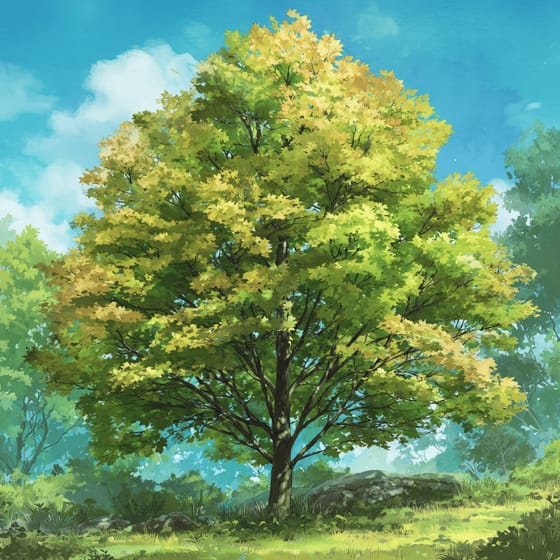
Acer saccharum
Its caterpillars eat leaves of this common tree species.
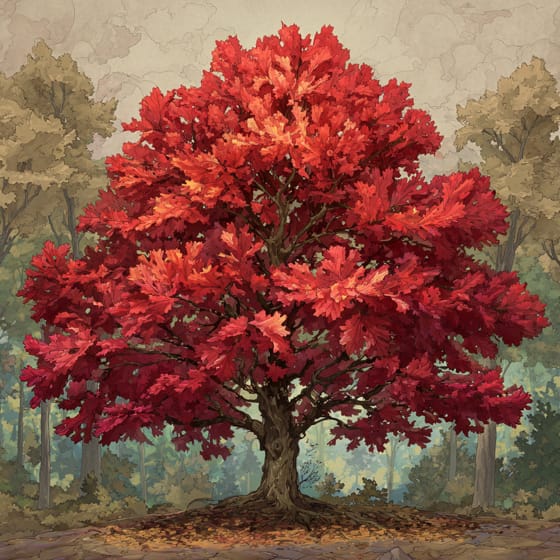
Quercus rubra
Its caterpillars feed on leaves from this widespread forest tree.
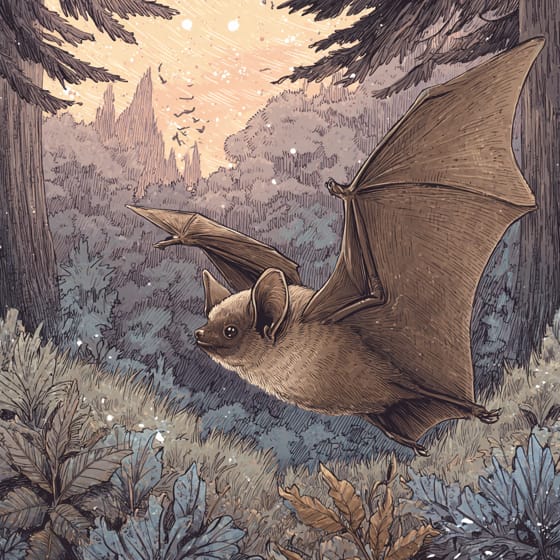
Myotis lucifugus
Adult moths are often hunted by bats at night.
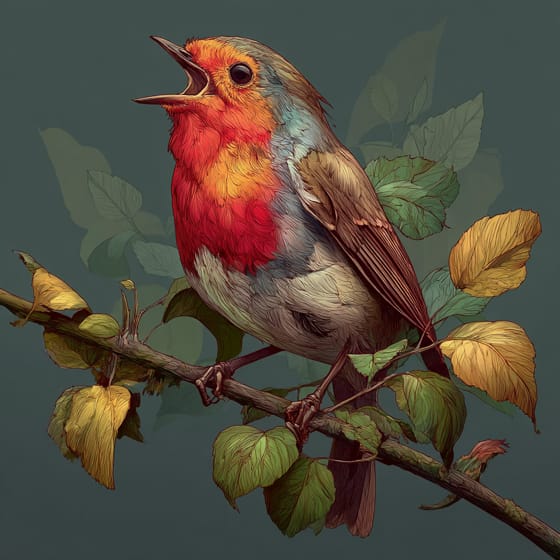
Turdus migratorius
Birds, like robins, sometimes prey on resting moths.
Furry describes animals possessing a dense covering of soft hair or fur.
Solitary animals live alone for most of their lives, only interacting with others for mating or parental care.
Camouflaged describes organisms that possess coloring or patterns that allow them to blend into their environment.
This trait characterizes organisms whose diet consists entirely or primarily of plant material.

Describes plants that are particularly attractive and beneficial to a wide range of pollinating organisms.

Forest habitats are terrestrial environments dominated by dense tree cover, supporting a high diversity of plant and animal life.

Nocturnal animals are primarily active during the nighttime hours, typically resting or sleeping during the day.

Describes organisms that transfer pollen, enabling the fertilization and reproduction of plants.
No aliases listed yet.
Danger
1/5 · Very low
Moths are gentle creatures, but it's best to watch them from a distance and not touch them.
The easiest way to identify Canadian Melanolophia Moth is to use the Snappit nature identifier app.
25-40 mm
12-20 mm
7-30 days
Caterpillars munch on tree leaves, while adult moths typically don't feed, or sip only a little nectar.
Forests
Grazing
6
Zoom in to split clusters and explore where this object has been snapped.
Take the discovery with you
Snap it with Snappit to identify it, learn what makes it special, and add the discovery to your collection.








.jpg&width=800)



