





Royal River Cruiser
macromia taeniolata
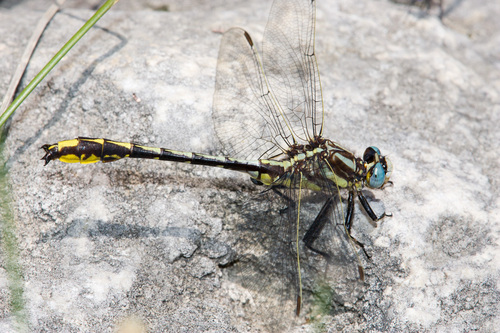
The Royal River Cruiser is a stunning dragonfly that dances over rivers and streams. Its vibrant colors and swift movements make it a captivating sight for anyone who enjoys nature!
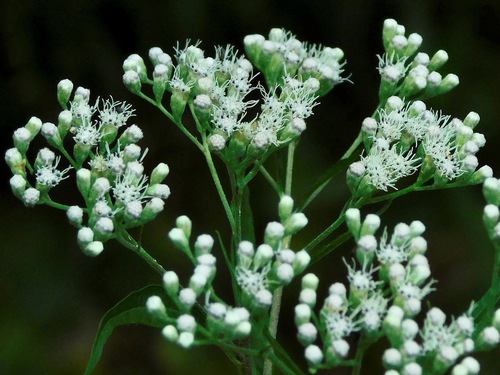
Habitat: It lives near rivers, streams, and wetlands where there is plenty of water.
The Royal River Cruiser has a long, slender body that is dark metallic brown or black, often marked with bright yellow stripes along its abdomen. Its large, clear wings are sometimes tinged amber near the base, which helps distinguish it from many other dark-bodied dragonflies.
Category
InsectsRarity
Common
Danger
0/5 · No known danger
Snaps
1
It's one of the largest dragonflies in North America, with a truly impressive wingspan!
Its underwater babies, called nymphs, can live for several years before transforming!
Males perform aerial patrols over rivers to guard their territory from rivals!
This dragonfly can spot a tiny mosquito almost 20 feet away with its amazing eyes!
Royal River Cruiser can hover, fly backward, and change direction instantly because of their independently moving wings, making them agile aerial hunters.
Royal River Cruiser nymphs can breathe underwater using internal gills because they live submerged, helping them ambush aquatic prey.
Royal River Cruiser nymphs have cryptic coloration and a flattened body that helps them blend perfectly with riverbeds, ambushing unsuspecting small fish.
This speedy hunter munches on other flying insects, keeping buzzing populations in check.
Age differences: Nymphs eat aquatic insects, tadpoles, and small fish; adults eat flying insects.
.jpg&width=800)
Tyrannus tyrannus
Adults are snatched by this agile aerial predator.
Culex pipiens
Adults voraciously hunt these disease-carrying insects.
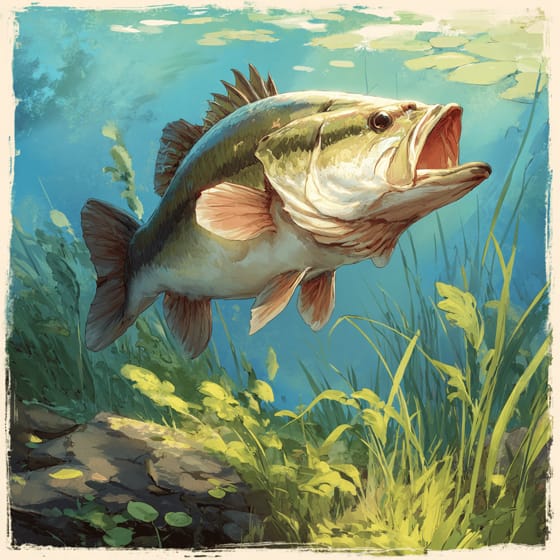
Micropterus salmoides
Nymphs become food for fish in their watery homes.
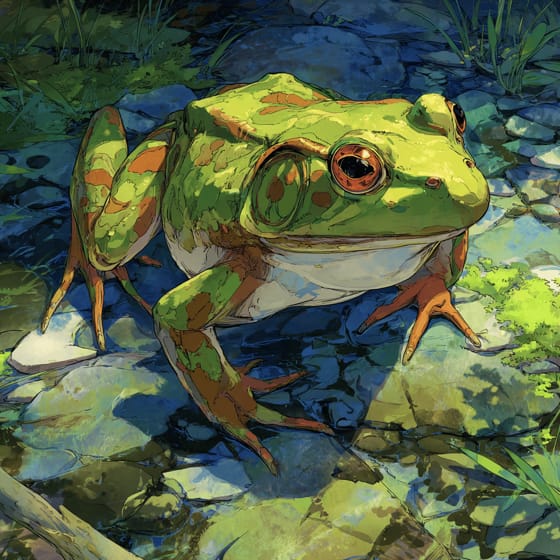
Lithobates catesbeianus
Nymphs ambush tadpoles, controlling amphibian populations.
Solitary animals live alone for most of their lives, only interacting with others for mating or parental care.
Colorful describes organisms or objects displaying a wide range of bright and distinct colors.
This trait identifies organisms whose diet consists entirely or primarily of animal tissue.
Diurnal animals are primarily active during daylight hours, typically resting or sleeping at night.

Aquatic habitats encompass environments where organisms live predominantly in water, including oceans, rivers, lakes, and wetlands.
Danger
0/5 · No known danger
No special safety notes yet.
The easiest way to identify Royal River Cruiser is to use the Snappit nature identifier app.
90-110 mm
70-85 mm
30-60 days
50 km/h
This speedy hunter munches on other flying insects, keeping buzzing populations in check.
It lives near rivers, streams, and wetlands where there is plenty of water.
Pursuit
Zoom in to split clusters and explore where this object has been snapped.
Take the discovery with you
Snap it with Snappit to identify it, learn what makes it special, and add the discovery to your collection.








.jpg&width=800)



