




Silpha carinata
Silpha carinata
The Silpha carinata, also known as the black rove beetle, is a shiny black insect that loves to explore the ground. It has a long body and can often be found in leaf litter or under logs.
Habitat: Forests
The Silpha carinata is a flattened, oval-shaped beetle, typically 12-20mm long. It is mostly dull black, but has a striking, large reddish-orange or yellow-orange plate (pronotum) behind its head, often with a darker central smudge. Its wing cases are distinctly ridged.
Category
InsectsRarity
Common
Danger
1/5 · Very low
Snaps
Be the first to snap!
Did you know its scientific name 'carinata' means 'keeled' because of its ridged back?
Some of its relatives can actually bury small animal bodies underground for food!
Studying these beetles helps scientists understand how nature cleans itself up!
This beetle is sometimes called a 'carrion beetle' because it loves to eat dead things!
Silpha carinata can break down dead animals and plants because of its specialized digestive system, helping to recycle nutrients.
Silpha carinata can release foul-smelling chemicals from its rear because of special glands, which helps them deter hungry predators.
Silpha carinata has super-sensitive antennae that helps them sniff out the scent of decaying matter from far away.
This beetle is a clean-up expert, munching on dead animals, fungi, and sometimes even other insects!
Age differences: Larvae primarily consume carrion; adults may also prey on other small invertebrates.
Mus musculus
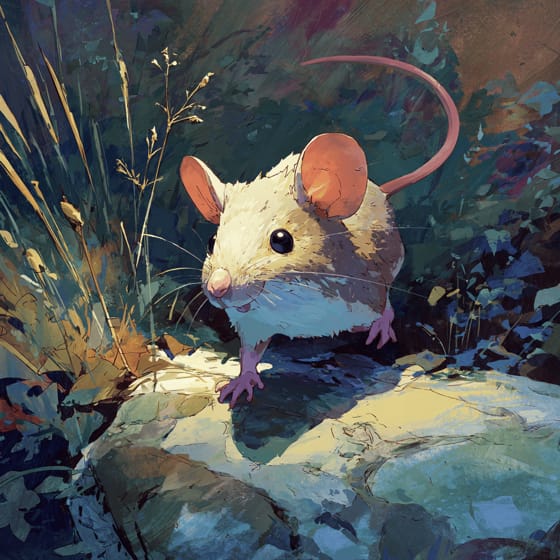
scavenges on their dead bodies
Lucilia sericata
predates on their maggots on carrion
Turdus merula
can be prey for ground-feeding birds

Sorex araneus
can be prey for small, insectivorous mammals
Solitary animals live alone for most of their lives, only interacting with others for mating or parental care.
Scavengers consume dead organic matter, helping to decompose carcasses and other waste in the ecosystem.
Describes organisms that break down dead organic material, recycling nutrients back into the ecosystem.
Forest habitats are terrestrial environments dominated by dense tree cover, supporting a high diversity of plant and animal life.

Pertaining to species that are significantly smaller than typical or average for their kind.

This trait identifies organisms that exhibit exceptional swiftness in movement for hunting, escape, or travel.
No aliases listed yet.
Danger
1/5 · Very low
Be gentle and watch where you step to avoid hurting small insects like this beetle.
The easiest way to identify Silpha carinata is to use the Snappit nature identifier app.
25-40 mm
12-20 mm
30-90 days
This beetle is a clean-up expert, munching on dead animals, fungi, and sometimes even other insects!
Forests
Scavenging
6
Zoom in to split clusters and explore where this object has been snapped.
Recent snaps will appear here as new observations are added.
Take the discovery with you
Snap it with Snappit to identify it, learn what makes it special, and add the discovery to your collection.









.jpg&width=800)



