





Agalychnis Lemur
agalychnis lemur
The Agalychnis Lemur is a colorful tree frog that loves to leap from branch to branch. With its big eyes and vibrant skin, it's like a little acrobat in the rainforest!
Habitat: Rainforests and tropical areas near rivers and streams.
The Agalychnis Lemur is a small tree frog with a bright lime-green back, which can turn brownish at night. It has striking yellow sides and a granular skin texture, distinctly lacking the extensive toe webbing seen in some other tree frogs.
Category
AmphibiansRarity
Common
Danger
1/5 · Very low
Snaps
Be the first to snap!
Instead of jumping, it often walks slowly and deliberately, like a tiny lemur in the trees.
Its scientific name, Agalychnis, means "splendid lamp," referring to its bright colors.
This frog lays its eggs on leaves hanging over water, so tadpoles drop in when they hatch!
Unlike many frogs, the Lemur Leaf Frog has no webbing between its fingers or toes.
Agalychnis Lemur has specialized toe pads that help them grip smooth leaves and branches for agile climbing.
Agalychnis Lemur can see well in dim light because of its large eyes, helping it hunt insects at night.
Agalychnis Lemur can shift its green skin to a browner tone, helping them hide better in different settings.
Agalychnis Lemur has special skin secretions that help deter predators or prevent its skin from drying out.
This little frog loves to snack on small insects it finds by ambushing them in the forest.
Age differences: Tadpoles primarily feed on algae and detritus in the water, while adults are carnivorous insectivores.
Leptodeira annulata
Preys on small arboreal frogs in its habitat.
Phyllostomus hastatus
Occasionally includes small vertebrates, like frogs, in its diet.
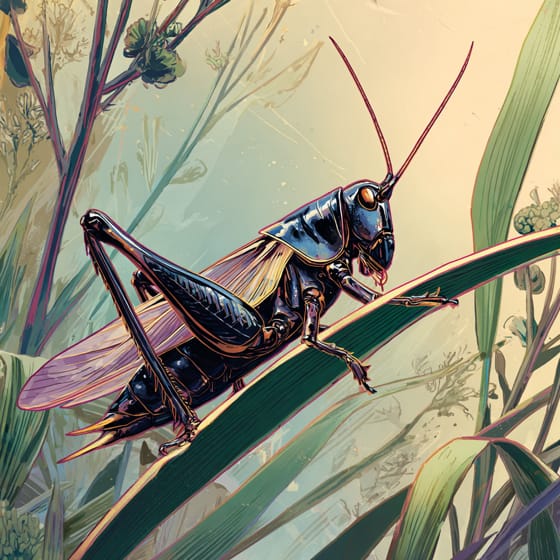
Gryllus assimilis
A common insect prey species found in the frog's habitat.
Atta cephalotes
A source of protein for the frog when foraging.
Social animals live in organized groups, cooperating for survival benefits such as foraging, defense, and raising offspring.
Arboreal animals live primarily in trees, utilizing them for shelter, food, and protection from predators.
Colorful describes organisms or objects displaying a wide range of bright and distinct colors.
This trait identifies organisms whose diet consists entirely or primarily of animal tissue.

Nocturnal animals are primarily active during the nighttime hours, typically resting or sleeping during the day.
Danger
1/5 · Very low
Always wash your hands after touching frogs as they can carry germs.
The easiest way to identify Agalychnis Lemur is to use the Snappit nature identifier app.
3-5 cm
0.004-0.007 kg
3-5 years
0.1 km/h
This little frog loves to snack on small insects it finds by ambushing them in the forest.
Rainforests and tropical areas near rivers and streams.
Ambush
Zoom in to split clusters and explore where this object has been snapped.
Recent snaps will appear here as new observations are added.
Take the discovery with you
Snap it with Snappit to identify it, learn what makes it special, and add the discovery to your collection.








.JPG&width=800)



.jpg&width=800)

