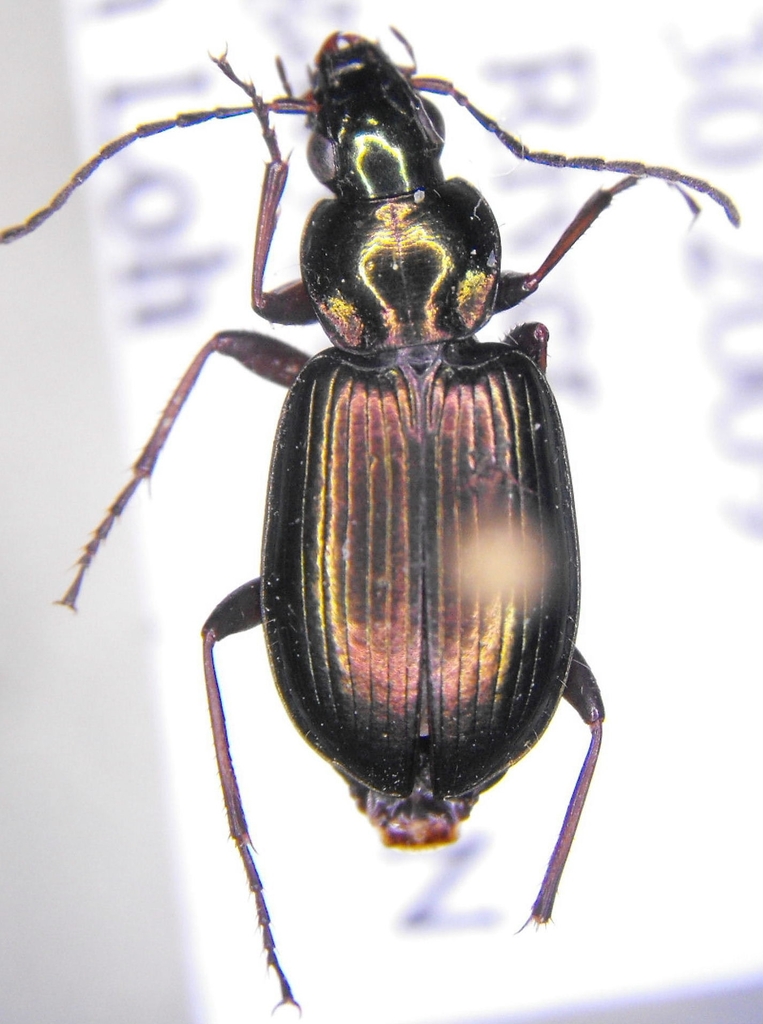





Agonum errans
Agonum errans
The Agonum errans is a shiny black beetle that loves to explore the ground. It helps keep the environment clean by eating decaying plants and other organic matter.
Habitat: Forests
The Agonum errans is an elongated, metallic ground beetle, typically shining with hues of green, brass, or coppery bronze. Its smooth, iridescent body often catches the light, giving it a subtle purplish shimmer.
Category
InsectsRarity
Common
Danger
1/5 · Very low
Snaps
Be the first to snap!
Adults and their larvae both hunt other insects, making them helpful at every stage!
Its strong jaws are like tiny pliers, perfect for grabbing and holding onto wriggly prey!
They can sometimes "play dead" when threatened, hoping a predator will lose interest!
This beetle acts like a tiny clean-up crew, eating garden pests to help plants grow!
Agonum errans can run incredibly fast on its strong legs because of its streamlined body, which helps them chase down prey or escape danger.
Agonum errans has special glands that produce a defensive chemical, which helps them deter predators like birds or shrews.
Agonum errans can navigate and hunt in the dark using its keen antennae and excellent low-light vision, which helps them find nocturnal prey.
This beetle is a tiny hunter, feasting on small insects and other garden critters!
Deroceras reticulatum
a common garden pest
Pieris rapae
a destructive plant eater
Sorex cinereus
a small mammal predator

Turdus migratorius
a common backyard bird
Solitary animals live alone for most of their lives, only interacting with others for mating or parental care.
Scavengers consume dead organic matter, helping to decompose carcasses and other waste in the ecosystem.
Describes organisms that break down dead organic material, recycling nutrients back into the ecosystem.
Forest habitats are terrestrial environments dominated by dense tree cover, supporting a high diversity of plant and animal life.

Pertaining to species that are significantly smaller than typical or average for their kind.

This trait identifies organisms that exhibit exceptional swiftness in movement for hunting, escape, or travel.

Describes organisms that transfer pollen, enabling the fertilization and reproduction of plants.
No aliases listed yet.
Danger
1/5 · Very low
Be gentle and watch where you step, as small insects like this beetle can be easily hurt.
The easiest way to identify Agonum errans is to use the Snappit nature identifier app.
13-18 mm
8-12 mm
365-730 days
5-10 km/h
This beetle is a tiny hunter, feasting on small insects and other garden critters!
Forests
Pursuit
Zoom in to split clusters and explore where this object has been snapped.
Recent snaps will appear here as new observations are added.
Take the discovery with you
Snap it with Snappit to identify it, learn what makes it special, and add the discovery to your collection.




.jpg)





.jpg&width=800)



