





Gray Buckeye
Junonia grisea
The Gray Buckeye is a beautiful butterfly with gray wings and orange spots. It loves to flutter around gardens and fields, bringing joy to everyone who sees it!
Habitat: Urban areas, Gardens, Fields
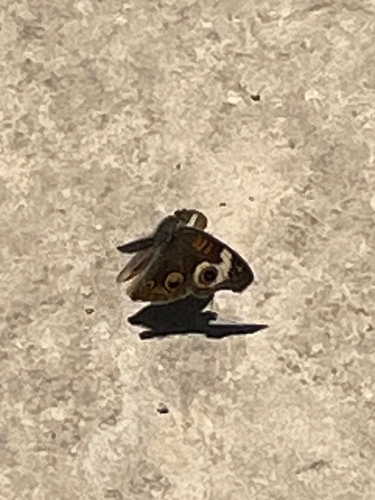
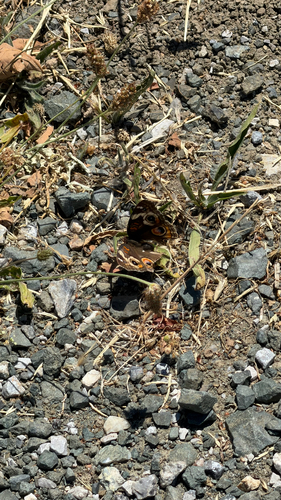
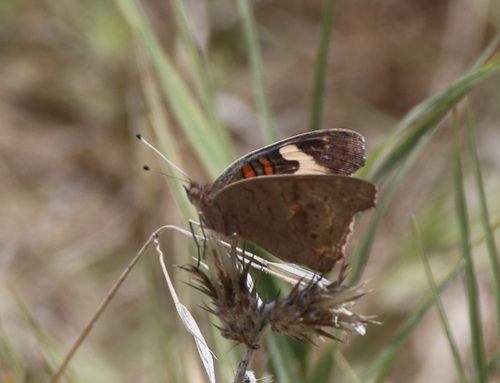
The Gray Buckeye has a wingspan ranging from 4 to 7 centimeters, with dull grayish-brown wings that are often tinged with orange. Its most distinctive features are the large, prominent orange-ringed 'eyespots' found on both its forewings and hindwings, which can deter predators.
Category
InsectsRarity
Common
Danger
1/5 · Very low
Snaps
72
A Gray Buckeye caterpillar wears spiky armor to protect itself while it munches on leaves!
Its babies, called caterpillars, eat snapdragon and plantain plants before turning into butterflies!
This butterfly's winter form has darker, duller wings, perfect for hiding among dry leaves!
You might see a Gray Buckeye warming up in sunny spots, spreading its wings like a tiny solar panel!
Gray Buckeye can change the color and pattern of its underside wings seasonally, helping it blend into different backgrounds.
Gray Buckeye can taste with special sensors on its feet that help it find the perfect plants for laying eggs or drinking nectar.
Gray Buckeye can fly quickly and erratically, which helps them escape from birds and other animals trying to catch them.
Adults sip flower nectar, while their caterpillars munch on plant leaves to grow big and strong.
Age differences: Caterpillars feed on plant leaves, while adult butterflies primarily drink nectar from flowers.
Plantago lanceolata
Caterpillars exclusively feed on its leaves for growth.

Helianthus annuus
Visits flowers like sunflowers, transferring pollen between them.
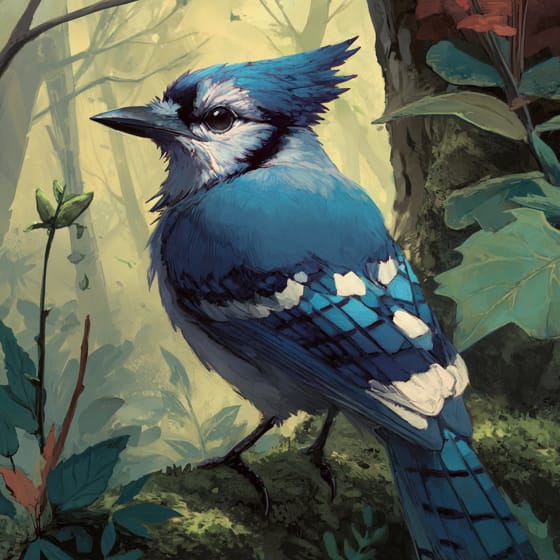
Cyanocitta cristata
A common bird that preys on butterflies and their caterpillars.
Ruellia caroliniensis
Caterpillars also feed on the leaves of this plant.
Marked with spots or patches of a different color.
Aerial creatures spend a significant portion of their lives airborne, utilizing flight for various activities such as hunting, migration, or nesting.
Colorful describes organisms or objects displaying a wide range of bright and distinct colors.
This trait characterizes organisms whose diet consists entirely or primarily of plant material.

Describes plants that are particularly attractive and beneficial to a wide range of pollinating organisms.

Diurnal animals are primarily active during daylight hours, typically resting or sleeping at night.

This habitat trait indicates species that can coexist with humans in urban and suburban environments, utilizing man-made structures and green spaces.

Describes organisms that transfer pollen, enabling the fertilization and reproduction of plants.
No aliases listed yet.
Danger
1/5 · Very low
Be gentle and watch butterflies from a distance so they feel safe.
The easiest way to identify Gray Buckeye is to use the Snappit nature identifier app.
40-70 mm
15-20 mm
14-30 days
15 km/h
Adults sip flower nectar, while their caterpillars munch on plant leaves to grow big and strong.
Urban areas, Gardens, Fields
Foraging
Zoom in to split clusters and explore where this object has been snapped.
Jun 15, 2026
ProfessorvillePhoto attribution
no rights reserved
License: CC0 1.0 ↗
Image may be shown cropped inside the card frame.
Jun 14, 2026
Arastradero PreservePhoto attribution
no rights reserved
License: CC0 1.0 ↗
Image may be shown cropped inside the card frame.
Jun 6, 2026
ProfessorvillePhoto attribution
(c) Cricket Raspet, some rights reserved (CC BY)
License: CC BY 4.0 ↗
Image may be shown cropped inside the card frame.

California, US
You might spot Sequoia, California Newt, and Pacific Dogwood.
View guide →

California, US
You might spot Acorn Woodpecker and Western Fence Lizard.
View guide →

California, US
You might spot Redwood Sorrel, Redwood, and Button's Banana Slug.
View guide →

California, US
You might spot Monarch, Canada Goose, and Western Gull.
View guide →

California, US
You might spot Monarch, Bee, and Anise Swallowtail.
View guide →

Arizona, US
You might spot Christmas Cholla and California Barrel Cactus.
View guide →
Take the discovery with you
Snap it with Snappit to identify it, learn what makes it special, and add the discovery to your collection.







.jpg&width=800)



