





Egyptian Bird Grasshopper
Anacridium aegyptium
The Egyptian Bird Grasshopper is a fun little insect that can jump really high! It has a green body and long legs, making it look like a tiny grasshopper superhero.
Habitat: Grasslands
The Egyptian Bird Grasshopper is a large, sturdy insect with a body color ranging from greenish-grey to brown. It has prominent dark, zebra-like bands on its hind legs and a distinctive "X" shaped mark behind its head, making it stand out visually from smaller, plain grasshoppers.
Category
InsectsRarity
Common
Danger
1/5 · Very low
Snaps
3
Its eyes are specially designed to see movement really well, spotting threats from far away!
Some people in certain parts of the world actually eat grasshoppers as a crunchy, protein-rich snack!
They use their long antennae to smell and feel their way around their habitat, like tiny explorers.
This giant grasshopper can live for several months as an adult, much longer than many insects!
Egyptian Bird Grasshopper can leap amazing distances because of its powerful hind legs, which helps them escape predators quickly.
Egyptian Bird Grasshopper has earthy colors and intricate patterns that helps them blend perfectly with plants, making them nearly invisible to hungry birds.
Egyptian Bird Grasshopper can fly long distances using its strong wings, helping them find new food sources or avoid danger.
Egyptian Bird Grasshopper can produce chirping sounds by rubbing its legs against its wings, which helps them communicate with other grasshoppers.
This insect munches on many different plant leaves and grasses to get its energy.
Lanius excubitor
A common bird predator in its native habitats.
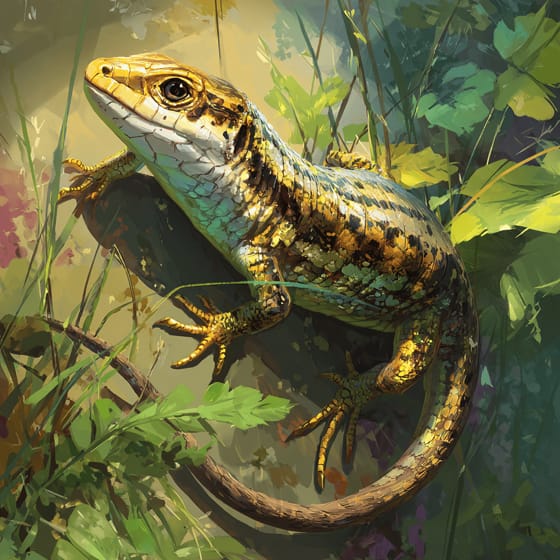
Podarcis muralis
Often preys on insects like grasshoppers.
Blaesoxipha laticornis
Its larvae develop inside the grasshopper's body.

Citrus sinensis
Feeds on the leaves of citrus trees.

Olea europaea
Commonly consumes foliage from olive groves.
Camouflaged describes organisms that possess coloring or patterns that allow them to blend into their environment.
Colorful describes organisms or objects displaying a wide range of bright and distinct colors.
Grassland habitats are terrestrial biomes dominated by grasses and herbaceous plants, supporting a variety of grazing animals.
This trait characterizes organisms whose diet consists entirely or primarily of plant material.

Diurnal animals are primarily active during daylight hours, typically resting or sleeping at night.

This trait identifies organisms that exhibit exceptional swiftness in movement for hunting, escape, or travel.

Describes organisms that transfer pollen, enabling the fertilization and reproduction of plants.
No aliases listed yet.
Danger
1/5 · Very low
Grasshoppers are safe to watch, but don't try to catch them, as they can jump away fast!
The easiest way to identify Egyptian Bird Grasshopper is to use the Snappit nature identifier app.
80-140 mm
30-70 mm
90-150 days
15 km/h
This insect munches on many different plant leaves and grasses to get its energy.
Grasslands
Foraging
Zoom in to split clusters and explore where this object has been snapped.

Valencian Community, ES
You might spot African Lion, Giraffes, and African Elephant.
View guide →

Nevada, US
You might spot Duck, Redhead, and Great-Tailed Grackle.
View guide →

California, US
You might spot Crotalus Cerastes, Creosote Bush, and Bladderpod.
View guide →
Spain, ES
You might spot Vestal, Eurasian Collared-Dove, and Common Blackbird.
View guide →
Take the discovery with you
Snap it with Snappit to identify it, learn what makes it special, and add the discovery to your collection.






.jpg&width=800)



