





Alaska Moose
alces alces gigas
The Alaska Moose is the largest member of the deer family, with long legs and a huge set of antlers. They love to munch on leaves, twigs, and aquatic plants in the forests and wetlands of Alaska!
Habitat: Forests, wetlands, and grasslands of Alaska
The Alaska Moose is the largest subspecies of moose, known for its dark brown to reddish-brown coat. It has a distinctive shoulder hump and long, pale legs. Males grow massive, broad antlers that can span over six feet, making them easily recognizable.
Category
MammalsRarity
Common
Danger
2/5 · Low
Snaps
20
A moose can move each of its huge ears in different directions to listen!
Moose can grow a dewlap, a flap of skin under their chin!
Moose shed their massive antlers and grow new ones every single year!
Their humped back is packed with strong muscles, not fat!
Alaska Moose can grow huge, bony antlers that help them defend against predators and attract mates.
Alaska Moose can dive and hold their breath for over a minute to munch on tasty plants at the bottom of ponds.
Alaska Moose have incredibly long legs that help them wade through deep snow and cross muddy wetlands with ease.
A leaf-loving giant, the Alaska Moose munches on plants, twigs, and even underwater greenery!
Age differences: Calves drink milk then slowly transition to plants; adults mostly eat woody browse in winter.
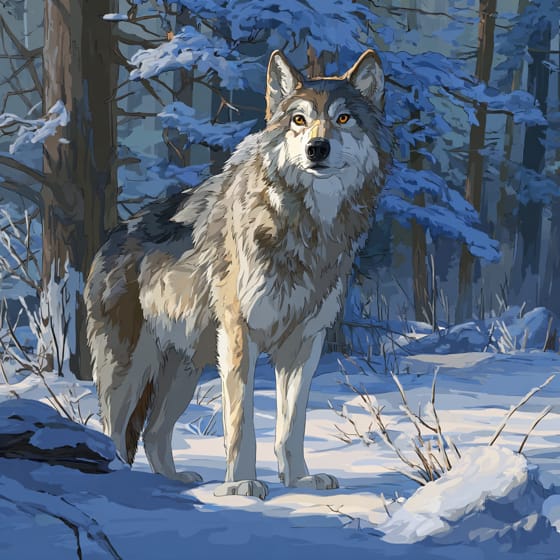
Canis lupus
Packs often hunt calves and weakened adult moose.
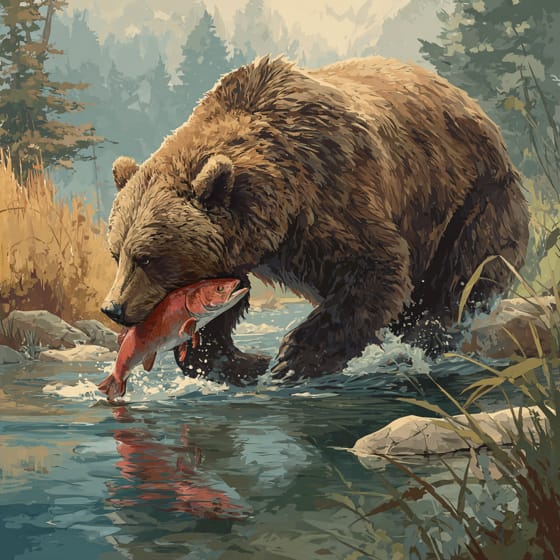
Ursus arctos
Known to prey on young calves and sometimes sick adults.
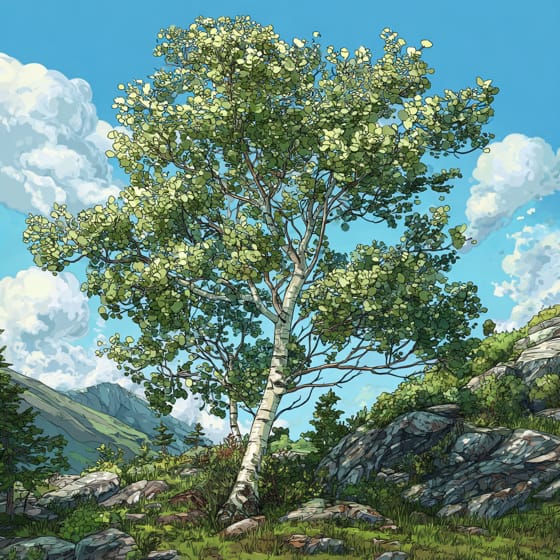
Populus tremuloides
Moose browse on its leaves, twigs, and bark for food.
Dermacentor albipictus
Heavy infestations can cause hair loss and weaken moose.
Furry describes animals possessing a dense covering of soft hair or fur.
Social animals live in organized groups, cooperating for survival benefits such as foraging, defense, and raising offspring.
Solitary animals live alone for most of their lives, only interacting with others for mating or parental care.
This trait characterizes organisms whose diet consists entirely or primarily of plant material.

Forest habitats are terrestrial environments dominated by dense tree cover, supporting a high diversity of plant and animal life.
Danger
2/5 · Low
Keep a safe distance if you see a moose in the wild!
The easiest way to identify Alaska Moose is to use the Snappit nature identifier app.
240-320 cm
270-700 kg
15-25 years
56 km/h
A leaf-loving giant, the Alaska Moose munches on plants, twigs, and even underwater greenery!
Forests, wetlands, and grasslands of Alaska
Foraging
Zoom in to split clusters and explore where this object has been snapped.
Take the discovery with you
Snap it with Snappit to identify it, learn what makes it special, and add the discovery to your collection.






.jpg&width=800)


.JPG&width=800)


.jpg&width=800)
