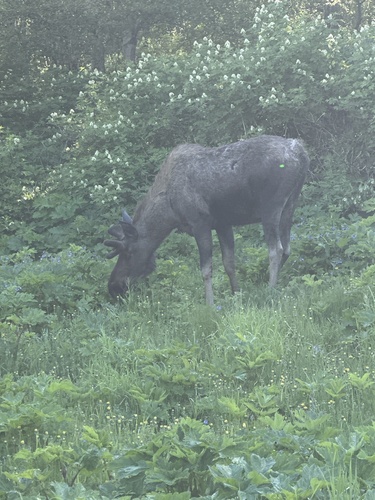




Moose

Kincaid Park is a vast urban wilderness in Anchorage, offering year-round adventure and stunning Alaskan scenery.
Kincaid Park is a vast urban wilderness in Anchorage, offering year-round adventure and stunning Alaskan scenery. Spanning approximately 1,500 acres of rolling, forested hills and diverse landscapes, this municipal park provides unparalleled access to nature within city limits. Visitors are treated to spectacular panoramic views of Mount Susitna, Cook Inlet, Fire Island, and on clear days, even the majestic Denali and Mount Foraker in the distance, alongside some of Anchorage's most breathtaking sunsets.
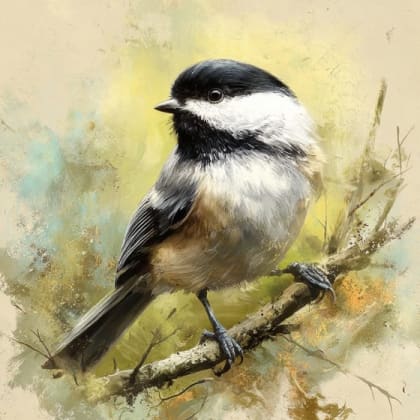
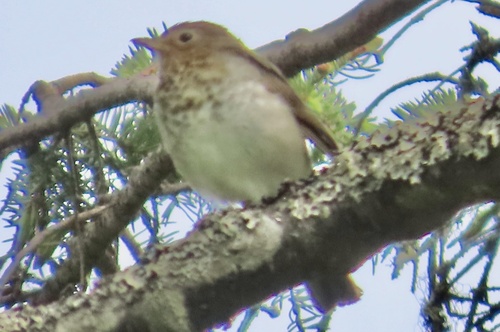
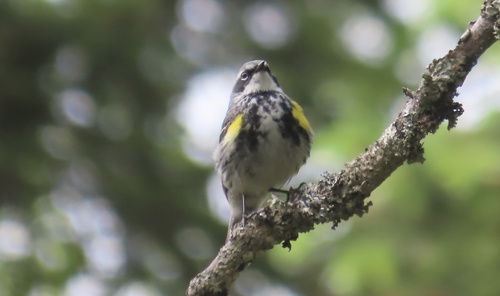
The park boasts an impressive network of nearly 60 kilometers (37 miles) of interwoven trails, with about 20 kilometers lighted for extended use. These trails cater to a wide array of activities, from hiking and mountain biking to world-class cross-country skiing and snowshoeing. Kincaid Park is renowned for its abundant wildlife, making it one of the best places in Anchorage to spot moose, especially cows with calves in spring or bulls during the fall rut. Other common sightings include black bears, bald eagles soaring overhead, and smaller creatures like snowshoe hares and various songbirds. Key features like the Kincaid Bluff Trail offer dramatic coastal vistas, while Little Campbell Lake provides opportunities for fishing and paddling, and the unique Kincaid Park Sand Dunes invite exploration.
Beyond its natural beauty and recreational offerings, Kincaid Park is a hub for community engagement, hosting numerous sporting events and offering facilities like an 18-hole disc golf course and soccer fields. The park’s blend of easily accessible wilderness, diverse activities, and stunning Alaskan backdrops makes it a memorable destination for locals and travelers alike, providing an authentic taste of Alaska's wild side right at Anchorage's doorstep. It truly is a dynamic outdoor space that adapts to every season, promising a unique experience with each visit. Planning to visit? Download the Snappit app to identify the wildlife you spot in real-time.
Kincaid Park's history is as intriguing as its landscape, rooted in both early Alaskan settlement and Cold War defense. The area was initially part of the Kincaid family homestead and was named after Ralph Kincaid, a local construction contractor who contributed to building recreational facilities in Anchorage. The land's strategic location led to its establishment as the Point Campbell Military Reservation during World War II, playing a role in submarine observation. From 1959 to 1979, the site was primarily occupied by a Nike-Hercules surface-to-air missile battery, known as Site Point. Following the decommissioning of the missile site, the land was gradually conveyed to the Municipality of Anchorage, and Kincaid Park was officially created in 1978, later expanding to encompass the former military installation. Today, remnants of this past can still be found, with several former military structures, including the Kincaid Chalet, having been repurposed for park use. This transformation from a military base to a premier recreational area highlights Anchorage's commitment to preserving green spaces and adapting historical sites for public enjoyment.
Engage in hiking, mountain biking on dedicated singletrack trails, or leisurely multi-use path cycling. In winter, cross-country skiing and snowshoeing are primary attractions, with many kilometers of groomed and lighted trails. Other activities include disc golf, fishing in Little Campbell Lake, paddling, archery, and observing the diverse wildlife. Access to the scenic Tony Knowles Coastal Trail is also available from the park.
Summer: Enjoy lush green trails, abundant wildflowers, and active wildlife. Moose are frequently seen along grassy trails and black bears may be feeding in open areas.
Fall: Experience vibrant autumn colors, and observe moose during their rutting season.
Winter: The park becomes a snowy wonderland, perfect for cross-country skiing, snowshoeing, and sledding. Ice fishing can be enjoyed on Little Campbell Lake. Animal tracks, such as those of snowshoe hares, are easily visible in the snow.
Spring: Witness the landscape reawakening with blooming plants and the arrival of migratory birds like snow geese and sandhill cranes on the mudflats below the bluffs. It's also a sensitive time to see moose cows with their newborn calves. Some trails may be muddy during this thaw.
Kincaid Park features many wide, multi-use trails suitable for casual walkers and strollers. The Kincaid Outdoor Center offers public restrooms and common areas for day use. Some Nordic ski trails are also described as wide and flat.
Don't miss the panoramic views from Kincaid Chalet, especially at sunset. Explore the Kincaid Bluff Trail for breathtaking vistas of Cook Inlet and distant mountains. Visit Little Campbell Lake for tranquil scenery and potential aquatic wildlife. Keep an eye out for wildlife along Raspberry Road and the numerous trails.
Each card links to a full Explore page with photos, traits, and fun facts.
Start with the big picture, then zoom in to explore individual wildlife observations around this place.
Be Wildlife Aware
Kincaid Park is home to wild animals. Maintain a respectful distance from moose and bears, especially cows with calves in spring and bulls during the fall rut. Never feed wildlife.
Dress in Layers
Alaskan weather can change rapidly, so wearing multiple layers of clothing will help you adapt to fluctuating temperatures.
Carry Essentials
Bring water, snacks, and a map of the park's extensive trail system, available at the Kincaid Chalet or online.
Check Trail Conditions
Before heading out, especially during spring thaw or winter, check for trail closures, grooming reports, or muddy conditions.
Mind Park Gate Hours
The park gates are generally open from 7:30 AM until 10:00 PM. Be aware of the closing times to avoid being locked in.
Bring Binoculars
Enhance your wildlife viewing and enjoy distant mountain and inlet views by bringing a good pair of binoculars.
Jun 18, 2026
Photo attribution
(c) tlaloc27, some rights reserved (CC BY)
License: CC BY 4.0 ↗
Image may be shown cropped inside the card frame.
Jun 15, 2026
Photo attribution
(c) tlaloc27, some rights reserved (CC BY)
License: CC BY 4.0 ↗
Image may be shown cropped inside the card frame.
Jun 15, 2026
Photo attribution
(c) tlaloc27, some rights reserved (CC BY)
License: CC BY 4.0 ↗
Image may be shown cropped inside the card frame.
Jun 15, 2026
Photo attribution
(c) tlaloc27, some rights reserved (CC BY)
License: CC BY 4.0 ↗
Image may be shown cropped inside the card frame.
Jun 15, 2026
Photo attribution
(c) tlaloc27, some rights reserved (CC BY)
License: CC BY 4.0 ↗
Image may be shown cropped inside the card frame.

Maryland, US
You might spot White-Tailed Deer and Eastern Gray Squirrel.
View guide →
.jpg)
District of Columbia, US
You might spot Eastern Gray Squirrel, Duck, and House Sparrow.
View guide →

Illinois, US
You might spot American Robin, Canada Goose, and House Sparrow.
View guide →

Virginia, US
You might spot Spotted Lanternfly and Northern Cardinal.
View guide →
Take the discovery with you
Identify the wildlife you spot, learn as you go, and keep a collection of the adventure.