





Agamyxis pectinifrons
Agamyxis pectinifrons
The Agamyxis pectinifrons, also known as the striped catfish, is a unique fish with beautiful stripes. It loves to swim in rivers and is known for its friendly nature.
Habitat: Freshwater rivers
The Agamyxis pectinifrons is a small, robust mammal with a body covered in sharp, quill-like spines, typically dark brown to black. It has a distinctive flattened, comb-like muzzle that gives it a unique appearance compared to other spiny mammals.
Category
MammalsRarity
Common
Danger
1/5 · Very low
Snaps
Be the first to snap!
Baby Agamyxis are born with soft quills that harden fast!
It uses super-sensitive whiskers to feel its way in the dark!
Its unique snout acts like a tiny rake to find yummy bugs!
This spiny mammal can curl into a tight ball for protection!
Agamyxis pectinifrons has sharp, movable quills that help them deter predators by presenting a formidable spiky barrier.
Agamyxis pectinifrons can navigate and find food in complete darkness because of its highly sensitive whiskers and keen hearing.
Agamyxis pectinifrons can rapidly dig burrows with its strong claws that help them create safe havens and escape danger.
This tiny mammal loves to munch on crunchy insects and larvae found in the soil.
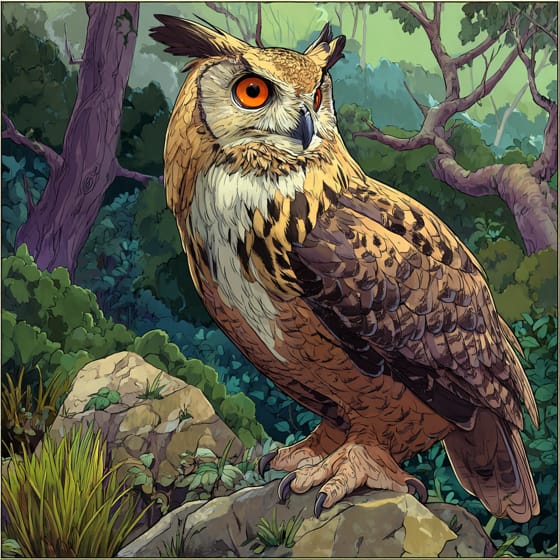
Bubo bubo
Nocturnal predator that hunts small ground-dwelling mammals.

Panthera pardus
Opportunistic predator that preys on small mammals.
Formica rufa
Feeds on these ants unearthed from their nests.

Oryctes nasicornis
Digs up and consumes their protein-rich larvae.
Marked with parallel bands or lines of color.
Social animals live in organized groups, cooperating for survival benefits such as foraging, defense, and raising offspring.
Colorful describes organisms or objects displaying a wide range of bright and distinct colors.
This trait characterizes organisms whose diet consists entirely or primarily of plant material.

Diurnal animals are primarily active during daylight hours, typically resting or sleeping at night.

Freshwater habitats include non-saline aquatic environments such as rivers, lakes, ponds, and wetlands, vital for numerous species.

Aquatic habitats encompass environments where organisms live predominantly in water, including oceans, rivers, lakes, and wetlands.
No aliases listed yet.
Danger
1/5 · Very low
Always be careful near water and ask an adult before touching fish.
The easiest way to identify Agamyxis pectinifrons is to use the Snappit nature identifier app.
15-25 cm
0.2-0.5 kg
5-8 years
5 km/h
This tiny mammal loves to munch on crunchy insects and larvae found in the soil.
Freshwater rivers
Foraging
Zoom in to split clusters and explore where this object has been snapped.
Recent snaps will appear here as new observations are added.
Take the discovery with you
Snap it with Snappit to identify it, learn what makes it special, and add the discovery to your collection.




.jpg&width=800)



.JPG&width=800)


.jpg&width=800)
