





Alaska yellow cedar
Callitropsis nootkatensis
The Alaska yellow cedar is a special tree that grows in cool, wet places. It has beautiful yellowish wood and can live for a very long time, making it a treasure in nature!
Habitat: Coastal areas
The Alaska yellow cedar has distinctive flat, drooping branches covered in scale-like, yellow-green leaves, giving it a soft, weeping appearance. Its shaggy, grayish-brown bark peels away in long, thin strips. This evergreen often stands tall and narrow.
Category
PlantsRarity
Common
Danger
1/5 · Very low
Snaps
Be the first to snap!
Despite its name, it's not a true cedar, but a cypress relative!
Its fragrant wood is highly valued for making kayaks, musical instruments, and fine carvings.
Some Alaska yellow cedars have lived for over 1,800 years, making them ancient giants!
The unique "weeping" branch tips help scientists tell it apart from other conifers.
Alaska yellow cedar has incredibly rot-resistant wood that helps it stay strong for hundreds of years, even when wet.
Alaska yellow cedar can thrive in very cold, wet, and high-altitude places, helping it survive harsh winter conditions.
Its drooping branchlets shed heavy snow easily, which helps the tree prevent breakage in snowy, mountainous habitats.
Odocoileus hemionus
Browses on young foliage and shoots.
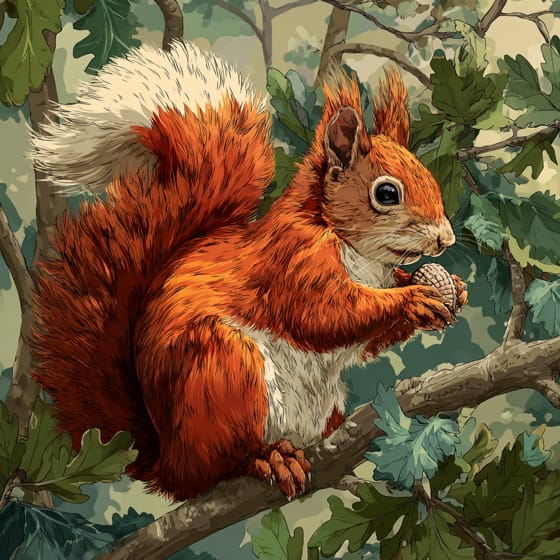
Tamiasciurus hudsonicus
Feeds on seeds from mature cones.

Cyanocitta stelleri
Nests and finds refuge among dense branches.
Broadleaf trees are angiosperms characterized by flat, wide leaves that are typically shed annually in temperate climates.
Cold hardy plants are able to withstand low temperatures and freezing conditions without significant damage.
Evergreen plants retain their foliage throughout the year, never shedding all their leaves at once.
Fragrant flowers emit a pleasant aroma, often to attract pollinators or for defense.
Timber refers to wood that has been prepared for use in building and carpentry.

This trait signifies organisms belonging to a very old evolutionary group with ancestors dating back millions of years.

This trait characterizes organisms with an exceptionally long lifespan compared to others of their kind.

Coastal habitats are dynamic environments located along the interface between land and sea, influenced by tides, waves, and saltwater.
This habitat trait identifies species found in temperate rainforests, characterized by significant rainfall, mild temperatures, and dense evergreen or deciduous forests in coastal regions.
No aliases listed yet.
Danger
1/5 · Very low
Always stay on paths and don't climb trees without an adult.
The easiest way to identify Alaska yellow cedar is to use the Snappit nature identifier app.
2000-3500 cm
300-600 cm
No
None
Perennial
Wind
Coastal areas
Zoom in to split clusters and explore where this object has been snapped.
Recent snaps will appear here as new observations are added.
Take the discovery with you
Snap it with Snappit to identify it, learn what makes it special, and add the discovery to your collection.










.jpg&width=800)

_001.jpg&width=800)


