





common lilac
Syringa vulgaris
The common lilac is a beautiful flowering shrub that fills the air with a sweet scent in spring. Its lovely purple flowers attract butterflies and bees, making gardens colorful and lively.
Habitat: Urban areas
The common lilac is a large deciduous shrub or small tree, typically showcasing heart-shaped green leaves. It has clusters of highly fragrant, tiny flowers densely packed into large, conical panicles, most often in shades of purple, but also white and pink.
Category
PlantsRarity
Common
Danger
1/5 · Very low
Snaps
2
In ancient myths, lilacs were thought to chase away evil spirits with their enchanting scent.
Lilac flowers have four petals, but finding a rare five-petal one is considered good luck!
Lilac wood is incredibly dense and was once used for carving intricate designs and musical instruments!
The beautiful color 'lilac' is named after these very flowers because of their unique purple shade.
Common lilac releases a strong, sweet fragrance to attract pollinators like bees and butterflies from a distance.
Common lilac has a robust root system that helps it survive periods of dry weather by accessing deeper water sources.
Common lilac can live for decades, even centuries, allowing it to re-sprout and thrive in varied conditions.
Apis mellifera
collects nectar and pollen from fragrant flowers
Bombus terrestris
visits lilac blossoms to gather sweet nectar
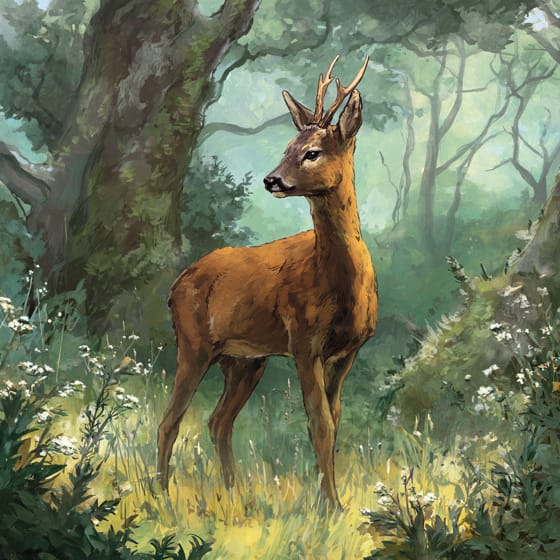
Capreolus capreolus
browses on young lilac leaves and shoots
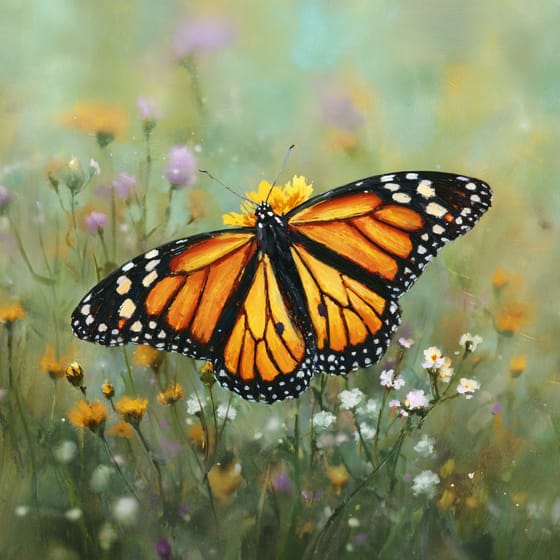
Danaus plexippus
sips nectar from abundant lilac flowers during migration
Aromatic plants produce and emit fragrant volatile organic compounds, often for defense or to attract pollinators.
Deciduous plants periodically shed all their leaves, typically during autumn or dry seasons.
Flowering plants are any plants that produce flowers as part of their reproductive cycle.
A shrub is a woody plant smaller than a tree, typically with multiple stems branching from or near the ground.

Spring blooming plants produce their flowers during the spring season, often signifying the end of winter and the start of new growth.

Fragrant flowers emit a pleasant aroma, often to attract pollinators or for defense.

Describes plants that are particularly attractive and beneficial to a wide range of pollinating organisms.

This habitat trait indicates species that can coexist with humans in urban and suburban environments, utilizing man-made structures and green spaces.
No aliases listed yet.
Danger
1/5 · Very low
Always stay on paths and don't pick flowers without asking an adult.
The easiest way to identify common lilac is to use the Snappit nature identifier app.
240-450 cm
180-360 cm
0.5-1.5 cm
Spring
Yes
None
Perennial
Zoom in to split clusters and explore where this object has been snapped.
Take the discovery with you
Snap it with Snappit to identify it, learn what makes it special, and add the discovery to your collection.








.jpg&width=800)


_001.jpg&width=800)




