_male.jpg&width=800)





Alexandrine Parakeet
Psittacula eupatria
The Alexandrine Parakeet is a colorful bird with a long tail and a cheerful personality. They love to chatter and can even learn to say a few words! These birds are often found in flocks, making them fun to watch.
Habitat: Forests
The Alexandrine Parakeet is a large, vibrant green parrot with a distinctive red beak tipped in yellow. Males boast a striking rose-pink and black neck ring, while females typically lack this collar, appearing slightly duller.
Category
BirdsRarity
Common
Danger
1/5 · Very low
Snaps
Be the first to snap!
Their name honors Alexander the Great, who is said to have brought them to Europe!
These large green parrots can grow almost two feet long, including their impressive tail!
They often gather in huge noisy flocks, making a vibrant spectacle in the sky!
Wild Alexandrine Parakeets can live over 25 years, a truly long life for a bird!
Alexandrine Parakeets can mimic human speech and other sounds, helping them communicate within diverse environments.
Alexandrine Parakeets have a powerful, curved red beak that helps them crack open tough nuts and seeds with ease.
Alexandrine Parakeets have zygodactyl feet that help them grip branches and climb trees like an expert acrobat.
Alexandrine Parakeets use loud squawks and whistles to warn their flock of danger and maintain group cohesion.
These parrots munch on seeds, fruits, nuts, and flower nectar, using strong beaks to crack tough shells.
Mangifera indica
Feeds on its ripe fruits, sometimes causing crop damage.
Psidium guajava
Consumes its fruits, which can impact agricultural yields.
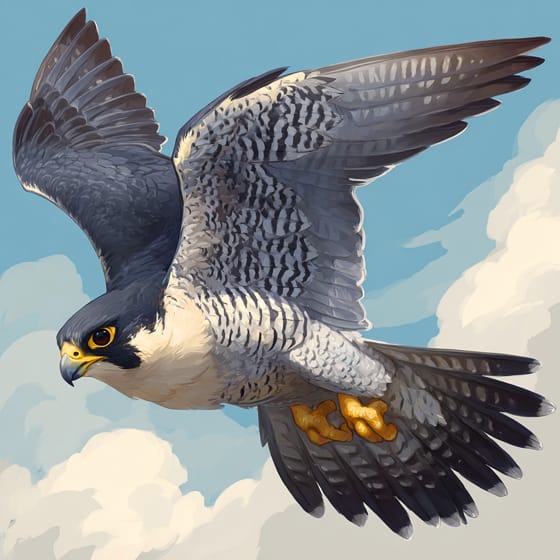
Falco peregrinus
This swift raptor sometimes preys on adult parakeets.
Corvus splendens
Crows are known to raid nests for eggs and chicks.
Feathered describes animals, primarily birds, possessing a covering of feathers.
Social animals live in organized groups, cooperating for survival benefits such as foraging, defense, and raising offspring.
Singing animals produce complex vocalizations, often for purposes of attracting mates, defending territory, or communicating within their species.
Colorful describes organisms or objects displaying a wide range of bright and distinct colors.

This trait characterizes organisms whose diet consists entirely or primarily of plant material.

Forest habitats are terrestrial environments dominated by dense tree cover, supporting a high diversity of plant and animal life.

This trait characterizes organisms with an exceptionally long lifespan compared to others of their kind.

Diurnal animals are primarily active during daylight hours, typically resting or sleeping at night.
Danger
1/5 · Very low
Always watch birds from a distance and never try to touch them in the wild.
The easiest way to identify Alexandrine Parakeet is to use the Snappit nature identifier app.
58-62 cm
30-38 cm
0.2-0.3 kg
25-30 years
40 km/h
These parrots munch on seeds, fruits, nuts, and flower nectar, using strong beaks to crack tough shells.
Forests
Zoom in to split clusters and explore where this object has been snapped.
Recent snaps will appear here as new observations are added.
Take the discovery with you
Snap it with Snappit to identify it, learn what makes it special, and add the discovery to your collection.




.jpg&width=800)






