





Amazon Milk Frog
Trachycephalus resinifictrix
The Amazon Milk Frog is a colorful tree frog that loves to live high up in the trees of the rainforest. Its bright green and blue colors help it blend in with the leaves, making it a special little friend of the jungle.
Habitat: Rainforests
The Amazon Milk Frog is a stocky, arboreal frog with smooth, often grey-blue skin covered in irregular dark brown or black bands. Its belly is usually mottled with green or yellow, creating a distinctive pattern. It has large, prominent eyes and specialized toe pads for climbing.
Category
AmphibiansRarity
Common
Danger
1/5 · Very low
Snaps
Be the first to snap!
Baby frogs (tadpoles) eat unfertilized eggs their own mother lays just for them!
Males loudly sing at night, their calls echoing through the Amazon rainforest!
Their skin is covered in warty bumps, helping them blend into rough tree bark!
These frogs can slightly change their blue-gray color to better match their surroundings!
Amazon Milk Frog can secrete a sticky, toxic milky substance because it deters predators from trying to eat them.
Amazon Milk Frog has specialized, disc-like toe pads that help them grip onto smooth leaves and bark high in trees.
Amazon Milk Frog can absorb water through its skin from damp surfaces, which helps them stay hydrated in the canopy.
This nocturnal frog feasts on insects and tiny invertebrates it finds high in the trees.
Age differences: Tadpoles are filter-feeders on algae and detritus, but also consume unfertilized eggs provided by the mother frog.
Leptophis ahaetulla
Arboreal snake preys on frogs in the canopy.
Ramphastos toco
Large bird eats small animals, including frogs and eggs.
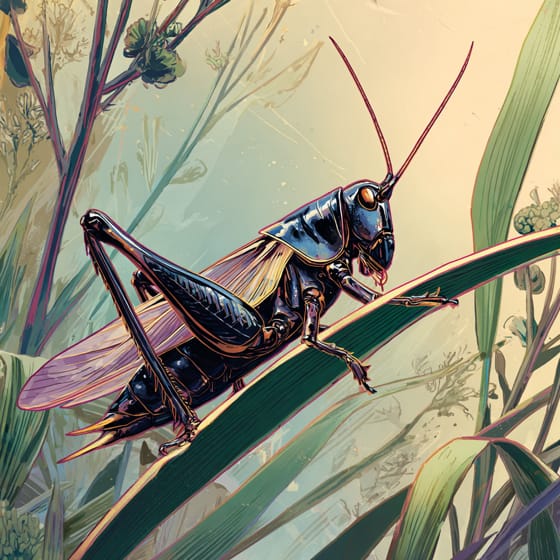
Gryllus assimilis
Common insect prey for the frog in its habitat.
Ceiba pentandra
Provides habitat and perching spots high in the canopy.
Aechmea fasciata
Lives in bromeliads, using them for shelter and water.
Arboreal animals live primarily in trees, utilizing them for shelter, food, and protection from predators.
Camouflaged describes organisms that possess coloring or patterns that allow them to blend into their environment.
Colorful describes organisms or objects displaying a wide range of bright and distinct colors.
This trait identifies organisms whose diet primarily consists of insects and other small invertebrates.

This habitat trait refers to species found in tropical rainforests, characterized by high annual rainfall, high biodiversity, and dense tree cover.

Nocturnal animals are primarily active during the nighttime hours, typically resting or sleeping during the day.
Danger
1/5 · Very low
Always watch frogs from a distance and never try to touch them, as they can be delicate.
The easiest way to identify Amazon Milk Frog is to use the Snappit nature identifier app.
6-10 cm
0.03-0.06 kg
5-8 years
1 km/h
This nocturnal frog feasts on insects and tiny invertebrates it finds high in the trees.
Rainforests
Ambush
Zoom in to split clusters and explore where this object has been snapped.
Recent snaps will appear here as new observations are added.
Take the discovery with you
Snap it with Snappit to identify it, learn what makes it special, and add the discovery to your collection.







.JPG&width=800)


.jpg&width=800)

