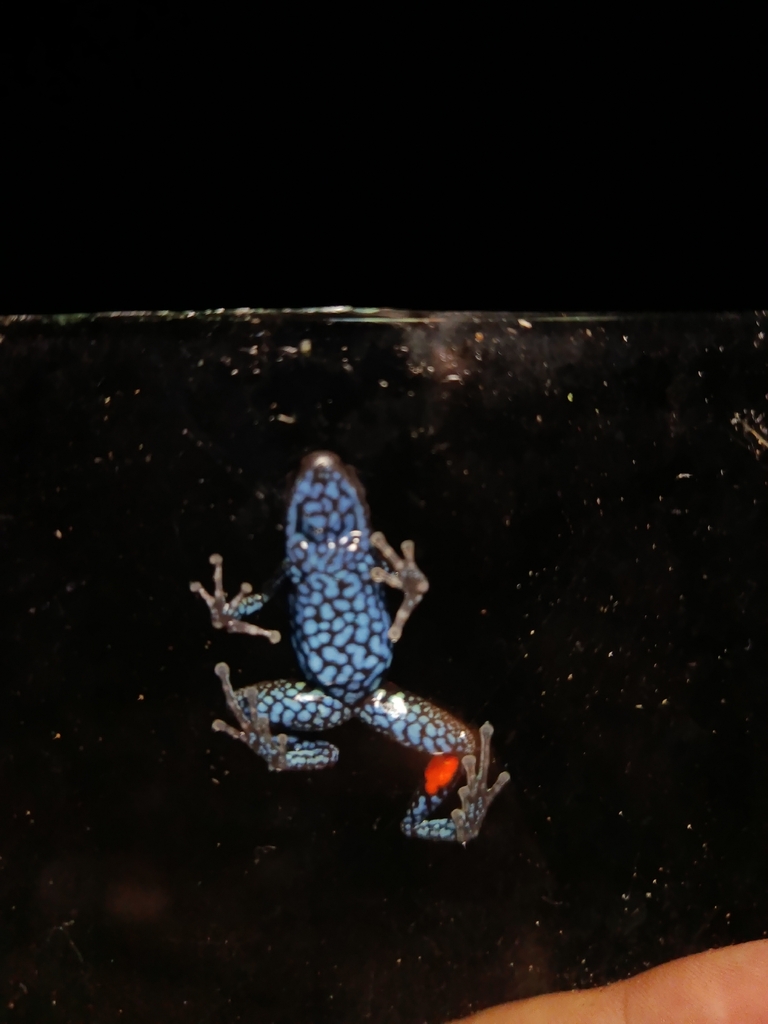





Ameerega ingeri
Ameerega ingeri
The Ameerega ingeri is a colorful frog that loves to hop around in the rainforest. It has bright patterns that help it blend in with the leaves and flowers around it.
Habitat: Rainforests
The Ameerega ingeri is a small, striking frog, often displaying bright green or yellowish-green with bold black blotches or stripes across its back. Its granular skin and vivid patterns make it stand out against the forest floor.
Category
AmphibiansRarity
Common
Danger
2/5 · Low
Snaps
Be the first to snap!
Ameerega ingeri gets its special defense chemicals from the ants and mites it eats.
Each Ameerega ingeri has unique patterns, like a tiny fingerprint on its skin!
Instead of laying eggs in water, this frog lays them on leaves on the forest floor!
This frog's vibrant colors are actually a warning sign to predators: 'Don't touch!'
Ameerega ingeri has toxic skin that helps them deter predators from eating them.
Ameerega ingeri males transport their tadpoles on their backs to small water bodies to keep them safe.
Ameerega ingeri can display vibrant colors that warn predators of their toxic skin, helping them avoid being eaten.
This tiny frog loves to munch on small insects and mites found in the forest!
Leptodeira annulata
Some snakes can tolerate this frog's skin toxins.
Atta cephalotes
This frog consumes many small insects, including ants.
Social animals live in organized groups, cooperating for survival benefits such as foraging, defense, and raising offspring.
Camouflaged describes organisms that possess coloring or patterns that allow them to blend into their environment.
Colorful describes organisms or objects displaying a wide range of bright and distinct colors.
This trait identifies organisms whose diet primarily consists of insects and other small invertebrates.

This habitat trait refers to species found in tropical rainforests, characterized by high annual rainfall, high biodiversity, and dense tree cover.

Diurnal animals are primarily active during daylight hours, typically resting or sleeping at night.

This trait identifies organisms that exhibit exceptional swiftness in movement for hunting, escape, or travel.

Endangered status indicates a species is at a very high risk of extinction in the wild in the near future.
No aliases listed yet.
Danger
2/5 · Low
Always wash your hands after touching frogs, as some can have special skin that might irritate you.
The easiest way to identify Ameerega ingeri is to use the Snappit nature identifier app.
2-3.5 cm
0.002-0.005 kg
3-5 years
This tiny frog loves to munch on small insects and mites found in the forest!
Rainforests
Foraging
5-20
Zoom in to split clusters and explore where this object has been snapped.
Recent snaps will appear here as new observations are added.
Take the discovery with you
Snap it with Snappit to identify it, learn what makes it special, and add the discovery to your collection.







.JPG&width=800)


.jpg&width=800)

