





Upland Chorus Frog
Pseudacris feriarum
The Upland Chorus Frog is a small, lively frog that loves to hop around in wet areas. It has a special call that sounds like a musical chirp, which makes it fun to listen to in the spring!
Habitat: Wetlands
The Upland Chorus Frog is a small, slender amphibian, typically tan to dark brown with three distinct dark stripes or rows of spots down its back. It has a white stripe along its upper lip and a dark triangle between its eyes, helping it blend into grassy wetlands.
Category
AmphibiansRarity
Common
Danger
1/5 · Very low
Snaps
1
These frogs are nocturnal, meaning they are most active searching for food at night!
They lay their tiny eggs in clumps that stick to underwater plants, hidden from view!
This tiny frog's "creak-eet" call sounds just like a finger running over a comb!
Upland Chorus Frogs can jump over 20 times their body length to escape danger!
Upland Chorus Frog can change its skin color because of special cells that help them blend perfectly with plants and mud.
Upland Chorus Frog has special sugars in its body that help them survive mild freezing temperatures during winter hibernation.
Upland Chorus Frog tadpoles can develop very fast because it helps them become frogs before their temporary wetland homes dry up.
Tiny insects and other small invertebrates are the Upland Chorus Frog's main meal!
Age differences: Tadpoles eat algae and detritus, while adults are insectivores.
Thamnophis sirtalis
A common predator in its wetland habitats.
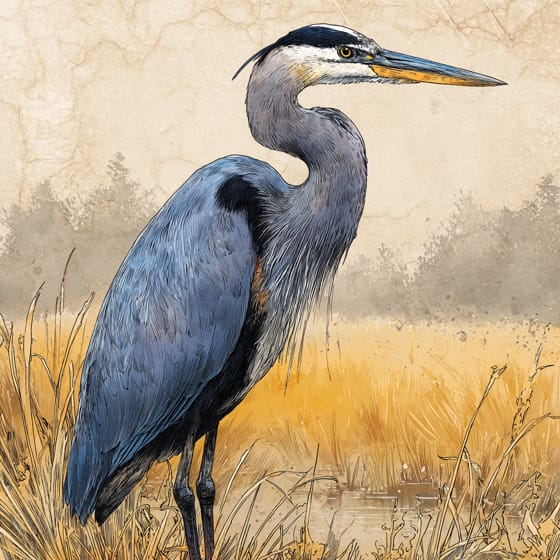
Ardea herodias
Wades in shallow water to catch frogs.
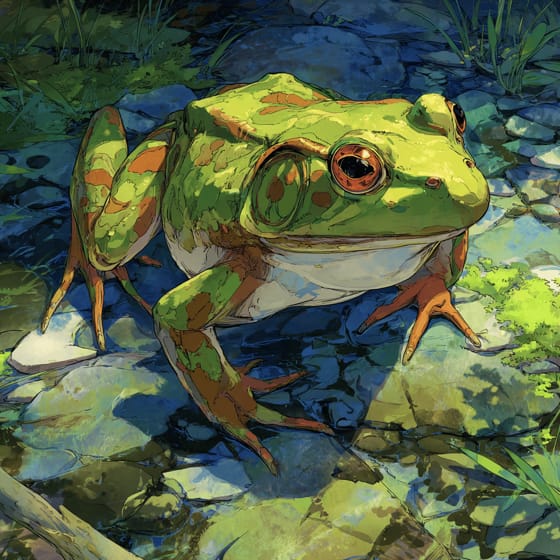
Lithobates catesbeianus
Larger frogs will prey on smaller ones.
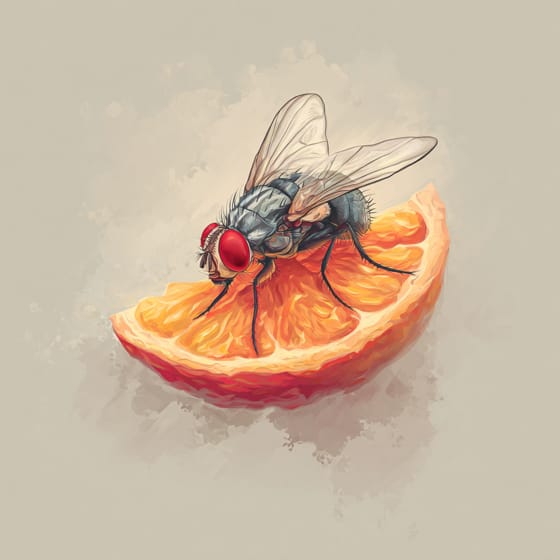
Drosophila melanogaster
A common tiny insect prey item.
Social animals live in organized groups, cooperating for survival benefits such as foraging, defense, and raising offspring.
Singing animals produce complex vocalizations, often for purposes of attracting mates, defending territory, or communicating within their species.
Camouflaged describes organisms that possess coloring or patterns that allow them to blend into their environment.
This trait identifies organisms whose diet primarily consists of insects and other small invertebrates.

This habitat trait identifies species found in wetlands, which are areas of land saturated with water, either permanently or seasonally, including marshes, swamps, and bogs.

Pertaining to species that are significantly smaller than typical or average for their kind.

Nocturnal animals are primarily active during the nighttime hours, typically resting or sleeping during the day.
No aliases listed yet.
Danger
1/5 · Very low
Always watch frogs from a distance and don't touch them, as they can be delicate.
The easiest way to identify Upland Chorus Frog is to use the Snappit nature identifier app.
1.9-3.8 cm
0.001-0.005 kg
2-5 years
0.5 km/h
Tiny insects and other small invertebrates are the Upland Chorus Frog's main meal!
Wetlands
Ambush
Zoom in to split clusters and explore where this object has been snapped.

Tennessee, US
You might spot American Robin, Northern Cardinal, and Eastern Chipmunk.
View guide →

Virginia, US
You might spot American Toad, Northern Cricket Frog, and Spring Peeper.
View guide →

Virginia, US
You might spot Autumn Olive, Japanese Barberry, and Virginia Bluebells.
View guide →
Take the discovery with you
Snap it with Snappit to identify it, learn what makes it special, and add the discovery to your collection.








.JPG&width=800)



.jpg&width=800)

