





Gulf Coast Toad
Incilius nebulifer
The Gulf Coast Toad is a small, bumpy toad that loves to hop around in warm, wet places. They are great at blending in with their surroundings and can be found near ponds and marshes.
Habitat: Wetlands
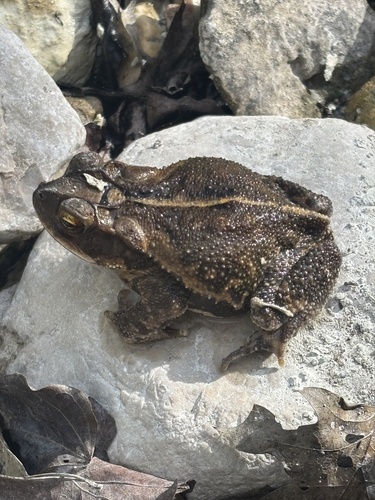
The Gulf Coast Toad is a medium-sized amphibian, typically brown, gray, or olive, with darker blotches and a light stripe down its back. It has warty skin and prominent kidney-shaped parotoid glands behind its eyes, which distinguish it from many frogs.
Category
AmphibiansRarity
Common
Danger
1/5 · Very low
Snaps
15
Gulf Coast Toad tadpoles sometimes swim in huge groups called 'schools' to look like one big creature!
Their eyes have horizontal pupils, which help them see predators approaching from above!
These toads prefer to walk or make short hops instead of big jumps, unlike many frogs!
They gulp air with tiny movements of their throat, not by breathing through lungs like us!
Gulf Coast Toads have parotoid glands that produce toxins to make predators spit them out quickly.
Gulf Coast Toads have hard 'spades' on their hind feet that help them quickly burrow backwards into soft soil for safety.
Gulf Coast Toads can subtly adjust their skin tone to blend into their surroundings, making them tricky for predators to spot.
These toads are nocturnal hunters, munching on insects and other small invertebrates they find on the ground.
Thamnophis proximus
A common snake predator in its natural habitat.
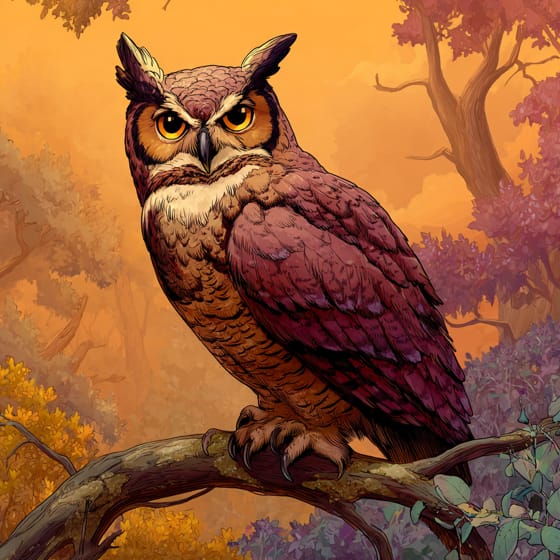
Bubo virginianus
Nocturnal owls frequently prey on toads at night.
Formica subsericea
Actively hunts and consumes ground-dwelling ants.
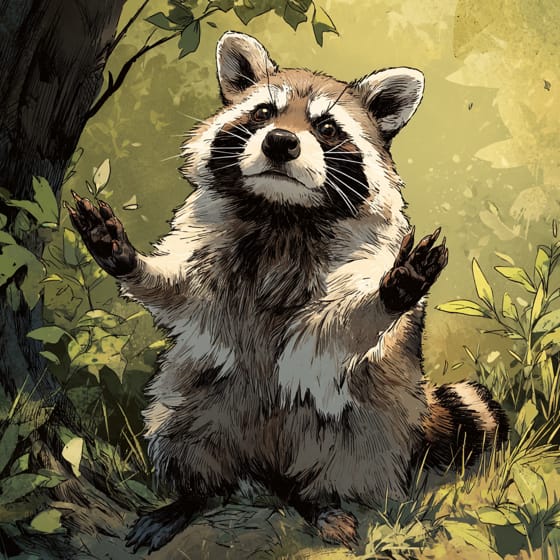
Procyon lotor
Omnivorous mammals, like raccoons, will eat toads.
Social animals live in organized groups, cooperating for survival benefits such as foraging, defense, and raising offspring.
Camouflaged describes organisms that possess coloring or patterns that allow them to blend into their environment.
This trait identifies organisms whose diet primarily consists of insects and other small invertebrates.
This trait characterizes organisms with an exceptionally long lifespan compared to others of their kind.

This habitat trait identifies species found in wetlands, which are areas of land saturated with water, either permanently or seasonally, including marshes, swamps, and bogs.

Nocturnal animals are primarily active during the nighttime hours, typically resting or sleeping during the day.

Describes organisms that transfer pollen, enabling the fertilization and reproduction of plants.
No aliases listed yet.
Danger
1/5 · Very low
Always wash your hands after touching a toad, as their skin can be sensitive.
The easiest way to identify Gulf Coast Toad is to use the Snappit nature identifier app.
5-13 cm
0.02-0.1 kg
5-10 years
2 km/h
These toads are nocturnal hunters, munching on insects and other small invertebrates they find on the ground.
Wetlands
Ambush
Zoom in to split clusters and explore where this object has been snapped.
May 28, 2026
Lost Maples State Natural AreaPhoto attribution
(c) Matt D'Agrosa, some rights reserved (CC BY)
License: CC BY 4.0 ↗
Image may be shown cropped inside the card frame.

Louisiana, US
You might spot Heavenly Bamboo, Rio Grande Copper Lily, and Ballmoss.
View guide →

Texas, US
You might spot Brown Anole, Gulf Fritillary, and Pond Slider.
View guide →

Texas, US
You might spot Honey Mesquite, Anacua, and Alamo Vine.
View guide →

Texas, US
You might spot Reticulated Giraffe, Zebra, and White Rhinoceros.
View guide →

Texas, US
You might spot Antelopehorn Milkweed and Lindheimer's Senna.
View guide →

Mississippi, US
You might spot Gulf Fritillary, Gray Ratsnake, and Spotted Orbweavers.
View guide →
Take the discovery with you
Snap it with Snappit to identify it, learn what makes it special, and add the discovery to your collection.








.JPG&width=800)



.jpg&width=800)
