





American Badger
Taxidea taxus
The American Badger is a sturdy animal with a flat body and short legs. They dig deep burrows in the ground and are known for their strong claws and playful nature.
Habitat: Grasslands
The American Badger has a flat, wide body with grizzled grayish-brown fur. It features a distinctive white stripe from its nose to its shoulder, black patches on its cheeks, and small rounded ears, making its face very recognizable.
Category
MammalsRarity
Common
Danger
3/5 · Moderate
Snaps
2
A group of badgers is sometimes called a 'cete' or a 'colony'.
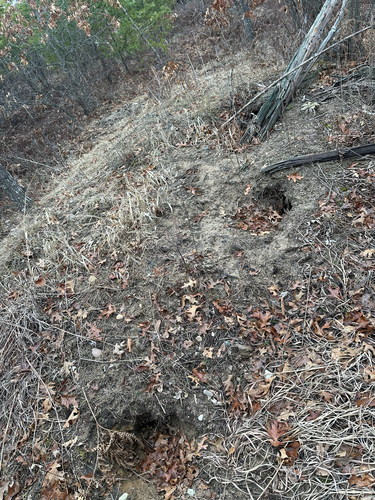
An American Badger can dig itself underground and out of sight in minutes!
Badgers have a clear third eyelid for protecting their eyes while digging.
Its scientific name, Taxidea taxus, literally means 'badger badger'!
American Badger can dig incredibly fast because of its powerful claws and shovel-like front paws that help them quickly burrow.
American Badger has a unique hunting strategy that helps them team up with coyotes to catch hidden prey.
American Badger can create complex underground burrows that help them find shelter, raise young, and store food.
Hungry hunters that dig for small critters like rodents, snakes, and insects.
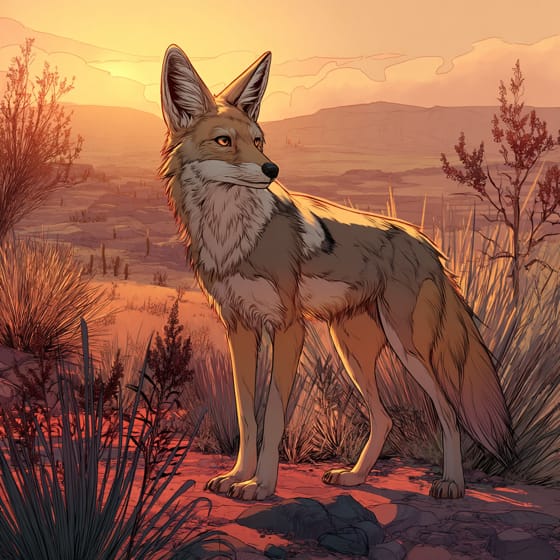
Canis latrans
cooperates to hunt rodents more effectively
Cynomys ludovicianus
digs into their burrows to catch them

Thomomys bottae
a key food source in their habitat

Aquila chrysaetos
can prey on young or smaller badgers
Furry describes animals possessing a dense covering of soft hair or fur.
Solitary animals live alone for most of their lives, only interacting with others for mating or parental care.
Burrowing animals dig tunnels and chambers in the ground, using these subterranean structures for shelter, hunting, or breeding.
Grassland habitats are terrestrial biomes dominated by grasses and herbaceous plants, supporting a variety of grazing animals.

This trait identifies organisms whose diet consists entirely or primarily of animal tissue.

This trait identifies organisms that exhibit exceptional swiftness in movement for hunting, escape, or travel.

Nocturnal animals are primarily active during the nighttime hours, typically resting or sleeping during the day.
Danger
3/5 · Moderate
If you see a badger in the wild, it's best to watch from a distance and not approach it.
The easiest way to identify American Badger is to use the Snappit nature identifier app.
42-72 cm
4-12 kg
4-6 years
30 km/h
Hungry hunters that dig for small critters like rodents, snakes, and insects.
Grasslands
Ambush
Zoom in to split clusters and explore where this object has been snapped.
Apr 1, 2026
Five Channels DamPhoto attribution
(c) jyoung2399, some rights reserved (CC BY)
License: CC BY 4.0 ↗
Image may be shown cropped inside the card frame.

Michigan, US
You might spot Eastern Skunk Cabbage and Kirtland's Warbler.
View guide →

Idaho, US
You might spot Bald Eagle, Red-Tailed Hawk, and Rough-Legged Hawk.
View guide →

New Mexico, US
You might spot Creosote Bush, Devilshead, and Lace-Spine Nipple Cactus.
View guide →
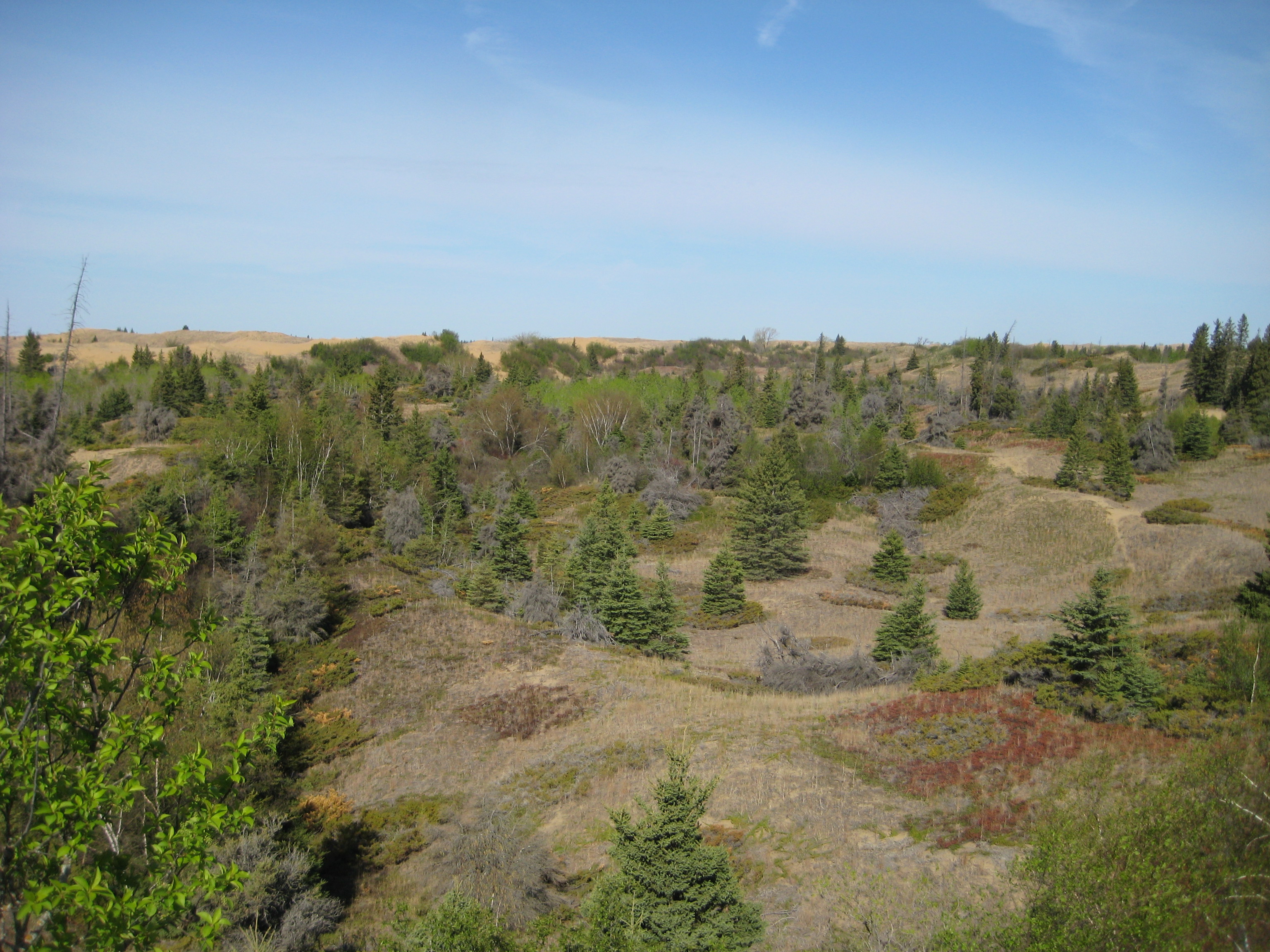
Manitoba, CA
You might spot Prairie Skink, Smooth Greensnake, and Admiral Butterfly.
View guide →
Take the discovery with you
Snap it with Snappit to identify it, learn what makes it special, and add the discovery to your collection.




.jpg&width=800)



.JPG&width=800)

.jpg&width=800)
