





Southern white rhinoceros
Ceratotherium simum simum
The Southern white rhinoceros is a large, gentle giant with a big horn on its nose. They live in groups and love to munch on grass in the sunny savannas of Africa.
Habitat: Savannas
The Southern white rhinoceros has a massive, grey, bald body with a distinctive broad, square lip perfect for grazing. It features two prominent horns on its snout, with the front horn being significantly longer than the back one.
Category
MammalsRarity
Rare
Danger
4/5 · High
Snaps
Be the first to snap!
A group of rhinos is called a 'crash'—imagine that!
Their mighty horns are made of keratin, the same stuff as your fingernails!
These 'white' rhinos are actually grey and love to roll in mud for sunscreen!
They are the second-largest land mammal on Earth, after elephants!
Southern white rhinoceros can detect predators from afar because of their super sense of smell, compensating for poor eyesight.
Southern white rhinoceros has a wide, square lip that helps them efficiently snip vast amounts of short grasses for food.
Southern white rhinoceros has incredibly thick skin that protects them from thorny plants and the sun's harsh rays.
Southern white rhinoceros can run surprisingly fast despite their size, helping them escape danger when needed.
These massive herbivores primarily graze on short grasses to fuel their enormous bodies throughout the day.
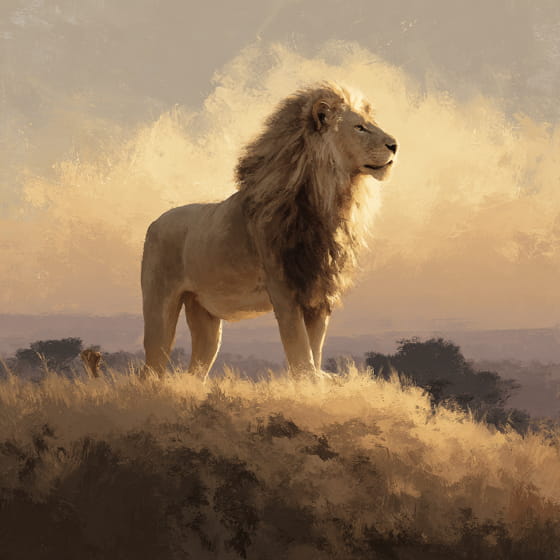
Panthera leo
Lion cubs may prey on very young rhino calves.
Buphagus erythrorhynchus
Birds eat ticks off rhino skin, a mutually beneficial cleaning.
Themeda triandra
A key grass species forming a major part of their diet.
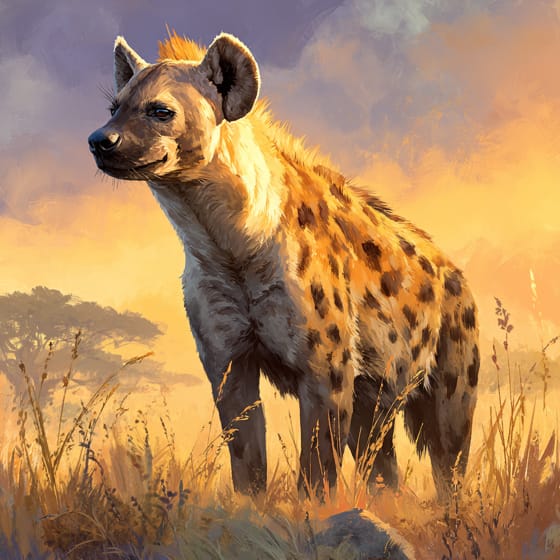
Crocuta crocuta
Hyena clans may target weak or very young calves.
Social animals live in organized groups, cooperating for survival benefits such as foraging, defense, and raising offspring.
Characterized by having one or more hard, permanent, pointed projections on the head.
Grassland habitats are terrestrial biomes dominated by grasses and herbaceous plants, supporting a variety of grazing animals.
This trait characterizes organisms whose diet consists entirely or primarily of plant material.
This habitat trait denotes species native to savannas, which are grasslands with scattered trees, typically found in tropical or subtropical regions with distinct wet and dry seasons.

Diurnal animals are primarily active during daylight hours, typically resting or sleeping at night.

Describes a species whose presence and role have a disproportionately large effect on its environment.

Giant describes organisms or objects of significantly larger size than average for their species or type.

Endangered status indicates a species is at a very high risk of extinction in the wild in the near future.
Danger
4/5 · High
Always watch from a safe distance and never approach wild animals.
The easiest way to identify Southern white rhinoceros is to use the Snappit nature identifier app.
340-420 cm
1400-3600 kg
40-50 years
48 km/h
These massive herbivores primarily graze on short grasses to fuel their enormous bodies throughout the day.
Savannas
Grazing
Zoom in to split clusters and explore where this object has been snapped.
Recent snaps will appear here as new observations are added.
Illinois, US
You might spot Southern White Rhinoceros and Reticulated Giraffe.
View guide →
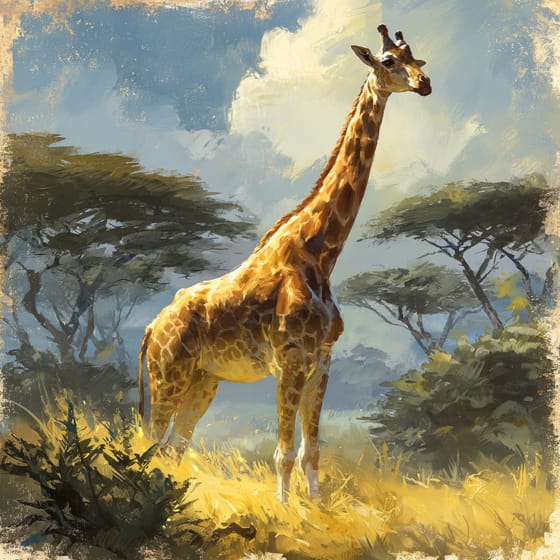
Indiana, US
You might spot Giraffes, African Lion, and Southern White Rhinoceros.
View guide →
Massachusetts, US
You might spot African Lion, Tiger, and Southern White Rhinoceros.
View guide →
Oklahoma, US
You might spot Tiger, Snow Leopard, and Komodo Dragon.
View guide →

England, UK
You might spot African Lion, Tiger, and Southern White Rhinoceros.
View guide →
New Mexico, US
You might spot African Elephant, Tiger, and Snow Leopard.
View guide →
Take the discovery with you
Snap it with Snappit to identify it, learn what makes it special, and add the discovery to your collection.




.jpg&width=800)




.JPG&width=800)

.jpg&width=800)
