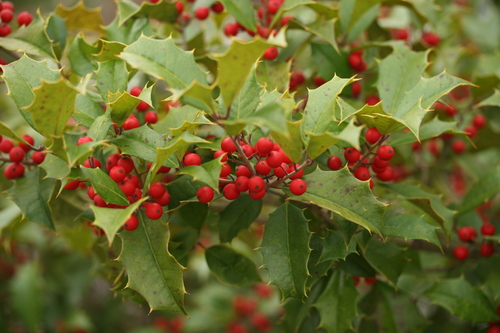


American Holly
ilex opaca
The American Holly is an iconic, slow-growing evergreen tree deeply woven into both North American ecology and cultural traditions. Best known for its striking contrast of vibrant red winter berries and dark, spiky green foliage, it is the classic plant associated with Christmas decorations in the United States. Beyond its ornamental appeal, this hardy broadleaf evergreen is a vital anchor in its ecosystem. Thriving in the understory of eastern woodlands, it provides a crucial lifeline for wildlife during harsh winters when food is scarce. Its dense canopy offers excellent year-round shelter for birds and small mammals, making it a functional and beautiful presence in wild forests and suburban landscapes alike.
Habitat: Found in moist bottomlands and swamp margins, often growing as an understory tree in mixed forests.
Typically growing as an understory tree reaching 5 to 20 meters in height, the American Holly has a distinct pyramidal shape and smooth, light gray bark that resembles a beech tree. Its evergreen leaves are alternate, thick, leathery, and dark green above with a yellowish-green underside, easily identifiable by their stiff, spiny-toothed margins. In late spring, it produces small, inconspicuous greenish-white flowers. By autumn, female trees develop striking, bright red, pea-sized berries (drupes) that persist tightly on the branches throughout the winter.
Category
PlantsRarity
Common
Danger
1/5 · Very low
Snaps
19
During the American Civil War, confederate soldiers used the dried leaves of the American Holly as a makeshift substitute for tea.
George Washington was famously fond of the American Holly, and several trees he personally planted still survive at his Mount Vernon estate today.
Only the female trees produce the iconic red berries, but they will remain entirely barren if there isn't a male holly tree planted within pollinating distance.
The wood of the American Holly is extremely pale and dense; it is often dyed black to substitute for ebony in piano keys and violin pegs.
American Hollies have separate male and female trees; a female tree requires pollen from a nearby male tree, transported by insects, to produce its famous red berries.
Its berries are extremely tough and persist through freezing winter temperatures, eventually softening after multiple freeze-thaw cycles just when overwintering birds need them most.
The leaves and berries contain saponins and other chemical compounds that make them unpalatable and mildly toxic to humans and many mammalian herbivores, deterring over-browsing.
As a plant, the American Holly produces its own food through photosynthesis, utilizing sunlight, water, and soil nutrients.
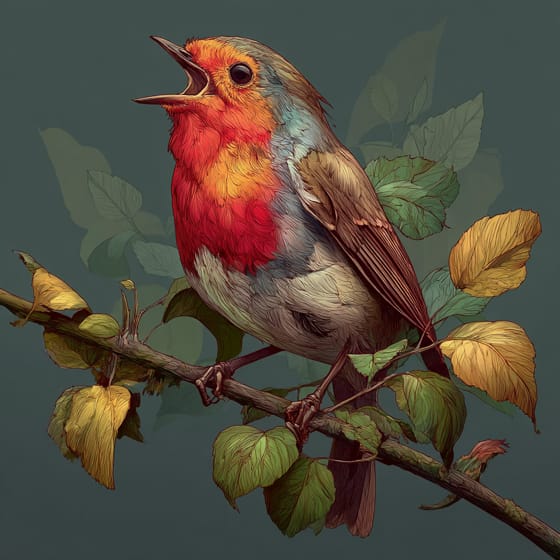
Turdus migratorius
Relies heavily on the holly's late-winter berries for survival when other food sources are depleted.
Apis mellifera
Acts as a major pollinator for the American Holly's small spring flowers, enabling berry production.
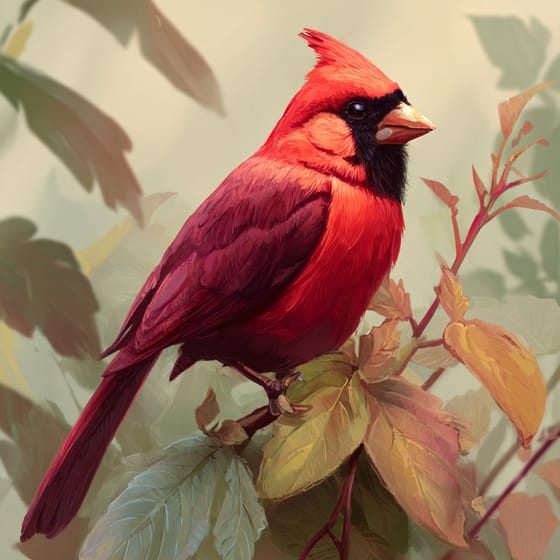
Cardinalis cardinalis
The dense evergreen foliage provides critical winter nesting and roosting shelter for these small birds.
No trait badges are assigned for this object yet.
No aliases listed yet.
Collections for this object will appear here as more themes are added.
Danger
1/5 · Very low
No special safety notes yet.
The easiest way to identify American Holly is to use the Snappit nature identifier app.
500-2000 cm
100-200 years
As a plant, the American Holly produces its own food through photosynthesis, utilizing sunlight, water, and soil nutrients.
Found in moist bottomlands and swamp margins, often growing as an understory tree in mixed forests.
Zoom in to split clusters and explore where this object has been snapped.

Tennessee, US
You might spot Black Bear, Yellow Wakerobin, and Pipevine Swallowtail.
View guide →

South Carolina, US
You might spot American Alligator, Anole, and Great Blue Heron.
View guide →
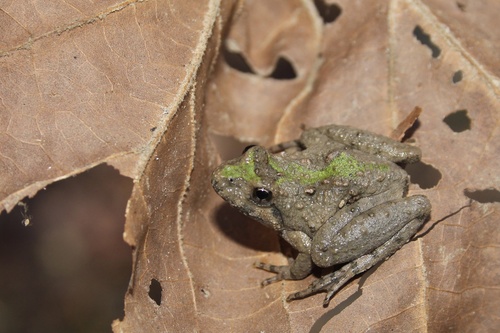
Maryland, US
You might spot Northern Cricket Frog and Common Whitetail.
View guide →

South Carolina, US
You might spot Joro Spider, Pickerelweed, and Great Blue Heron.
View guide →

Connecticut, US
You might spot Common Mugwort and Canada Goose.
View guide →

Massachusetts, US
You might spot Threeleaf Goldthread and Spotted Salamander.
View guide →
Take the discovery with you
Snap it with Snappit to identify it, learn what makes it special, and add the discovery to your collection.












.jpg&width=800)



_001.jpg&width=800)




