Canada Goose

The Connecticut College Arboretum is a sprawling natural sanctuary for discovery and relaxation.
The Connecticut College Arboretum is a sprawling natural sanctuary for discovery and relaxation. This 750-acre botanical garden and arboretum, nestled on the campus of Connecticut College, offers a free and accessible connection to the natural world, fostering both education and tranquility. Open daily from sunrise to sunset, it invites visitors year-round to explore its diverse landscapes, from cultivated gardens to pristine natural areas, making it a unique ecological classroom and recreational haven.
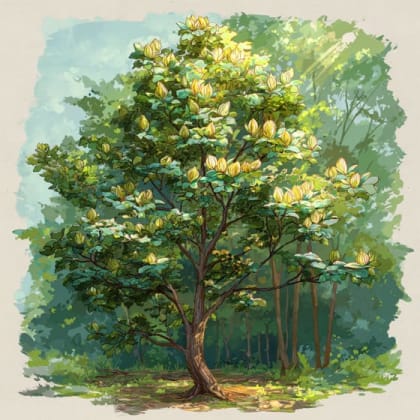
The Arboretum is comprised of several distinct and captivating collections. The 25-acre Native Plant Collection showcases trees, shrubs, and woody vines indigenous to eastern North America, featuring highlights like the Nancy Moss Fine Native Azalea Garden with its 15 species of azaleas, the Josephine Hooker Shain Mountain Laurel Garden (celebrating Connecticut's state flower), and the Lincoln and Lillian Dauby Gries Conifer Collection. The Caroline Black Garden, an ornamental haven, displays a mature array of trees and shrubs from around the world, complete with a charming stream and pool. Additionally, the College Campus itself serves as a living collection, boasting a variety of specimen trees from across the globe, including the rare Franklin tree (extinct in the wild) and magnificent tulip trees, alongside scenic views of the Thames River and Long Island Sound.
Visiting the Connecticut College Arboretum is an experience that constantly evolves with the seasons, promising something new with each return. Whether you're marveling at the spring blooms of azaleas and wildflowers, enjoying Shakespeare by the pond in summer, or basking in the spectacular autumn foliage, its dynamic beauty is truly memorable. It’s a place for quiet contemplation, vigorous exploration on its varied trails, or engaging with nature through its educational programs and community events, offering a profound appreciation for ecological diversity and conservation. Take the ultimate field guide with you: use the Snappit app to identify birds, plants, and animals on your trip.
The Connecticut College Arboretum was established in 1931, initially encompassing about 60 acres, with a mission to serve both Connecticut College and the wider community. Over the decades, it has expanded significantly to its current 750 acres, becoming a vital center for research, teaching, and public education in ecological and environmental studies. Notable early developments include the establishment of the Caroline Black Garden in 1928, named after the college's first botany department chair, and the continuous beautification efforts on the college campus, which began as early as 1911 with the planting of unusual species. While early campus plantings included diverse global species, the Arboretum's core focus has consistently been on the study and preservation of native New England flora.
Enjoy self-guided walks using maps and audio tours (downloadable via QR codes). Join free guided public tours offered on the first and second Sundays of each month from May through October (reservations may be needed for groups). Observe local wildlife, including birds, butterflies, and bees. Attend community concerts or theater performances. Engage in photography, and consider participating in the annual photography contest.
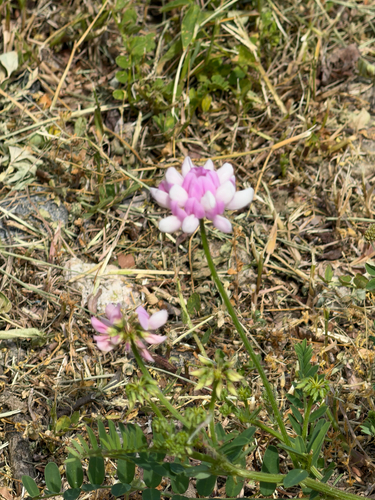
Spring: Wildflowers like trillium, cardinal flower, and marsh marigold are in bloom, along with the vibrant azaleas and mountain laurels.
Summer: The outdoor theater hosts events, and the pond comes alive with aquatic plants.
Fall: The deciduous trees throughout the Arboretum transform into a stunning display of reds, oranges, and yellows.
Winter: Offers serene, stark beauty and opportunities for cross-country skiing on trails.
While the 750 acres include varied terrain, many paths are suitable for casual strolling and strollers, featuring mixed surfaces like paved sections, dirt, gravel, woodchip, and boardwalks. There may be initial steps at some entrances. The Arboretum generally has limited ADA accessibility for its trails, and there are no public restrooms or water fountains directly within the grounds. Dogs are permitted on a leash.
Features Eastern North American native trees, shrubs, and wildflowers.
A beautifully designed ornamental garden with diverse global species.
Home to 15 species of azaleas.
Showcases Connecticut's state flower.
Each card links to a full Explore page with photos, traits, and fun facts.
Start with the big picture, then zoom in to explore individual wildlife observations around this place.
Wear comfortable footwear
The Arboretum features varied terrain, including dirt, gravel, woodchip, and natural trails, so sturdy shoes are recommended for exploring.
Bring water and snacks
There are no water fountains or food vendors directly within the Arboretum grounds, so come prepared, especially for longer visits.
Download the audio tour
Enhance your self-guided experience by downloading the Arboretum's audio tour content to your smartphone before your visit, allowing you to learn about specific plants and areas as you explore.
Check for events
Consult the Arboretum's website for information on seasonal events such as guided tours, community concerts, Shakespeare performances, or photography contests.
Visit in different seasons
Each season offers a unique experience, from spring blooms and summer greenery to stunning fall foliage and serene winter landscapes.
Dogs are welcome
Leashed dogs are permitted, making it a great outing for pet owners.
Jun 6, 2026
Photo attribution
(c) Sawyer Baran, some rights reserved (CC BY)
License: CC BY 4.0 ↗
Image may be shown cropped inside the card frame.
May 31, 2026
Photo attribution
(c) Sawyer Baran, some rights reserved (CC BY)
License: CC BY 4.0 ↗
Image may be shown cropped inside the card frame.
May 31, 2026
Photo attribution
(c) Sawyer Baran, some rights reserved (CC BY)
License: CC BY 4.0 ↗
Image may be shown cropped inside the card frame.
May 31, 2026
Photo attribution
(c) Sawyer Baran, some rights reserved (CC BY)
License: CC BY 4.0 ↗
Image may be shown cropped inside the card frame.
May 31, 2026
Photo attribution
(c) Sawyer Baran, some rights reserved (CC BY)
License: CC BY 4.0 ↗
Image may be shown cropped inside the card frame.

Maryland, US
You might spot White-Tailed Deer and Eastern Gray Squirrel.
View guide →
.jpg)
District of Columbia, US
You might spot Eastern Gray Squirrel, Duck, and House Sparrow.
View guide →

Illinois, US
You might spot American Robin, Canada Goose, and House Sparrow.
View guide →

Virginia, US
You might spot Spotted Lanternfly and Northern Cardinal.
View guide →
Take the discovery with you
Identify the wildlife you spot, learn as you go, and keep a collection of the adventure.