





American Nursery Web Spider
Pisaurina mira
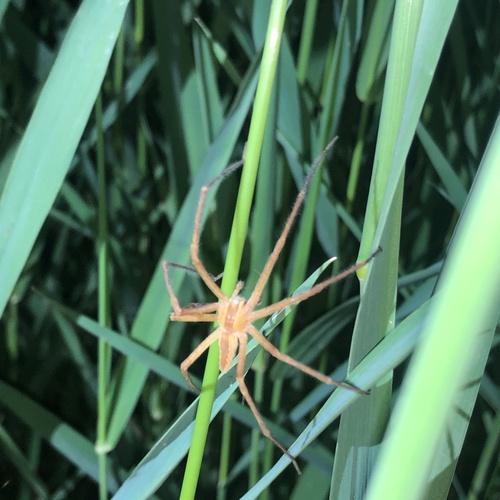
The American Nursery Web Spider is a friendly spider that likes to live in gardens and fields. It has long legs and can be spotted easily as it hunts for insects to eat.
Habitat: Gardens and fields
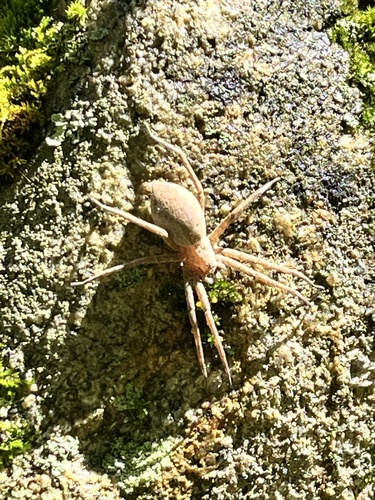
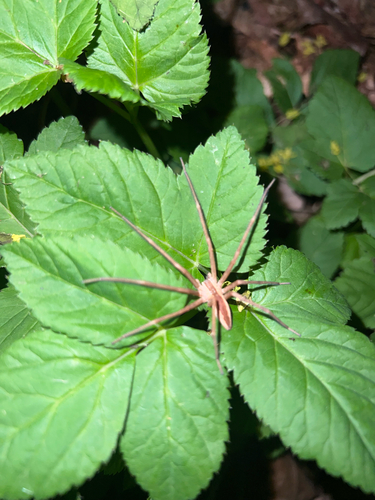
The American Nursery Web Spider has a slender, pale brown to gray body, often with a distinctive dark stripe running down its back. Its long, spiny legs extend radially, giving it a somewhat crab-like appearance. Unlike web-building spiders, it lacks prominent spinnerets for large capture webs.
Category
InsectsRarity
Common
Danger
1/5 · Very low
Snaps
71
A mother spider guards her silk nursery tent until her babies emerge!
Female spiders carry their large egg sac in their mouthparts until it's time!
They can sprint across water to catch insects or escape predators!
Unlike most spiders, they don't use webs to catch their meals!
American Nursery Web Spider can blend perfectly into vegetation because of its camouflaged body, helping them ambush prey undetected.
American Nursery Web Spider can create a protective silk tent for its eggs and newly hatched young, safeguarding them from predators.
American Nursery Web Spider has specialized leg hairs that allow it to skim across the surface of water, helping it hunt aquatic insects.
American Nursery Web Spider can rapidly chase and pounce on unsuspecting insects because of its keen eyesight and swift legs.
These spiders are predators that hunt a variety of small insects and other invertebrates.
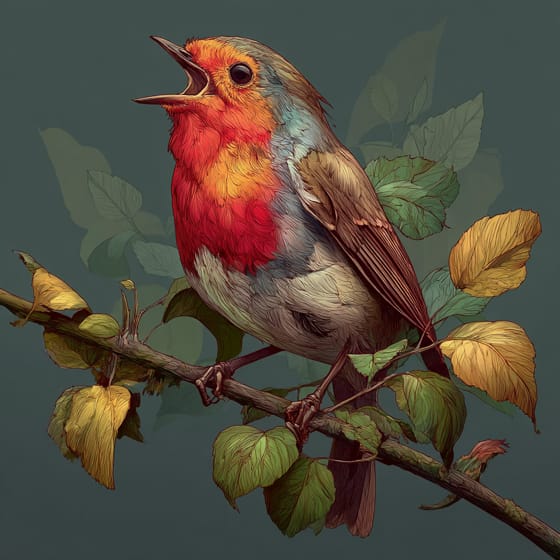
Turdus migratorius
a common bird predator
Vespula vulgaris
some wasps can prey on spiders
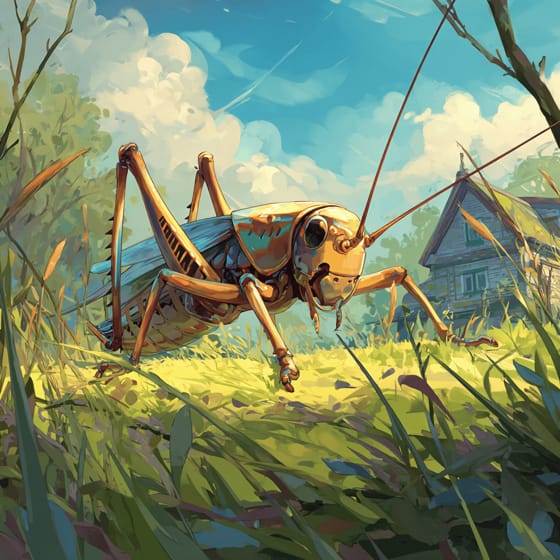
Acheta domesticus
a common prey item
Musca domestica
a swift airborne insect prey
Solitary animals live alone for most of their lives, only interacting with others for mating or parental care.
This trait characterizes organisms that construct elaborate silken webs for catching prey, shelter, or reproduction.
Camouflaged describes organisms that possess coloring or patterns that allow them to blend into their environment.
Grassland habitats are terrestrial biomes dominated by grasses and herbaceous plants, supporting a variety of grazing animals.

This trait identifies organisms whose diet primarily consists of insects and other small invertebrates.

Diurnal animals are primarily active during daylight hours, typically resting or sleeping at night.

This trait identifies organisms that exhibit exceptional swiftness in movement for hunting, escape, or travel.
No aliases listed yet.
Danger
1/5 · Very low
Spiders are usually not dangerous, but it's best to watch them from a distance.
The easiest way to identify American Nursery Web Spider is to use the Snappit nature identifier app.
10-16 mm
365-730 days
These spiders are predators that hunt a variety of small insects and other invertebrates.
Gardens and fields
Pursuit
8
Zoom in to split clusters and explore where this object has been snapped.
Jun 5, 2026
Curtis Hall ArboretumPhoto attribution
(c) Andrew Conboy, some rights reserved (CC BY)
License: CC BY 4.0 ↗
Image may be shown cropped inside the card frame.
Jun 3, 2026
Brett Woods Open SpacePhoto attribution
no rights reserved
License: CC0 1.0 ↗
Image may be shown cropped inside the card frame.
May 17, 2026
Battery Street Historic DistrictPhoto attribution
(c) Cy Stavros, some rights reserved (CC BY)
License: CC BY 4.0 ↗
Image may be shown cropped inside the card frame.

Illinois, US
You might spot Common Eastern Bumble Bee and Brown-Belted Bumble Bee.
View guide →

Alabama, US
You might spot Anole, Eastern Gray Squirrel, and Asian Lady Beetle.
View guide →

Connecticut, US
You might spot Bold Jumping Spider and American Tuliptree.
View guide →

Illinois, US
You might spot Brown-Belted Bumble Bee and Eastern Gray Squirrel.
View guide →
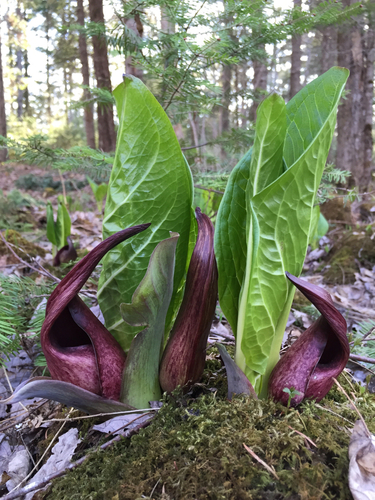
Connecticut, US
You might spot Eastern Skunk Cabbage and Eastern White Pine.
View guide →

Maine, US
You might spot American Bullfrog and Three-Toothed Cinquefoil.
View guide →
Take the discovery with you
Snap it with Snappit to identify it, learn what makes it special, and add the discovery to your collection.







.jpg&width=800)




