.jpg&width=800)





American Sand Wasp
Bembix americana
The American Sand Wasp is a small, friendly insect that loves to dig in the sand. It makes little holes in the ground where it lays its eggs. These wasps are busy and help keep nature balanced!
Habitat: Sandy areas
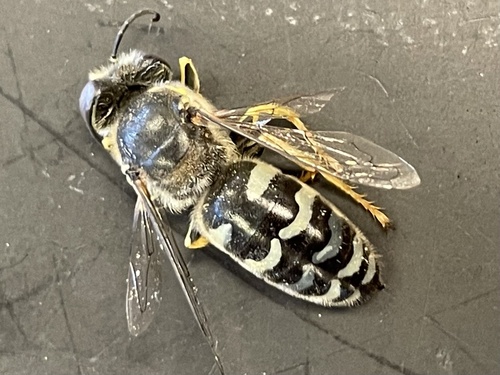
The American Sand Wasp has a robust body, primarily black with bright yellow bands on its abdomen. It features a large head with prominent green eyes and strong mandibles. Its wings are clear and slightly smoky, setting it apart from more slender, solid-colored wasps.
Category
InsectsRarity
Common
Danger
2/5 · Low
Snaps
1
Mom wasps fill underground nurseries with paralyzed flies for their babies!
Some female wasps will steal food from other sand wasps' burrows!
Their rapid, erratic flight makes them incredibly difficult to catch in mid-air.
They often "dance" over their nest entrance, remembering its location perfectly.
American Sand Wasp has a venomous sting that helps them paralyze prey, ensuring fresh food for their young in the burrow.
American Sand Wasp can perform fast, agile flights because of its strong wing muscles, allowing it to quickly catch other flying insects.
Adults drink nectar, while larvae feast on flies paralyzed by their mother.
Age differences: Adults feed on flower nectar, while larvae are carnivorous, consuming flies provisioned by the mother.
Musca domestica
Paralyzes and provisions for its larvae.
Sarcophaga carnaria
Captures for its developing young in underground burrows.
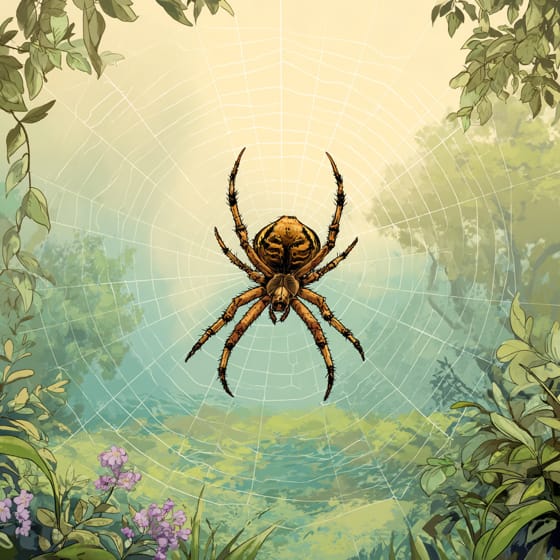
Argiope aurantia
Can be caught in large orb webs while flying.
Solidago canadensis
Adults visit flowers for nectar, aiding pollen transfer.
Solitary animals live alone for most of their lives, only interacting with others for mating or parental care.
This trait identifies organisms whose diet primarily consists of insects and other small invertebrates.
This trait identifies organisms whose diet consists entirely or primarily of animal tissue.
Diurnal animals are primarily active during daylight hours, typically resting or sleeping at night.

Pertaining to species that are significantly smaller than typical or average for their kind.

Describes organisms that transfer pollen, enabling the fertilization and reproduction of plants.
No aliases listed yet.
Danger
2/5 · Low
Don't bother wasps if you see them digging; they are usually not harmful.
The easiest way to identify American Sand Wasp is to use the Snappit nature identifier app.
25-35 mm
15-20 mm
20-45 days
20 km/h
Adults drink nectar, while larvae feast on flies paralyzed by their mother.
Sandy areas
Pursuit
Zoom in to split clusters and explore where this object has been snapped.
Aug 15, 2024
High Trestle TrailPhoto attribution
no rights reserved
License: CC0 1.0 ↗
Image may be shown cropped inside the card frame.

Iowa, US
You might spot Common Milkweed, Amur Honeysuckle, and Canada Anemone.
View guide →

Washington, US
You might spot Canada Goose, Daisy, and Duck.
View guide →
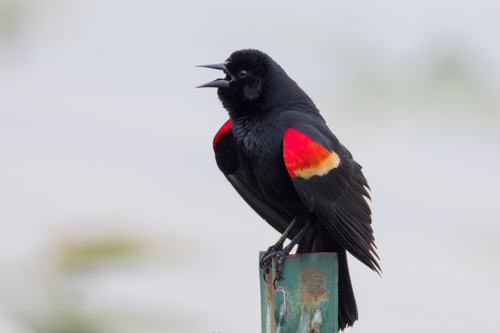
British Columbia, CA
You might spot Red-Winged Blackbird, Tree Swallow, and Great Blue Heron.
View guide →
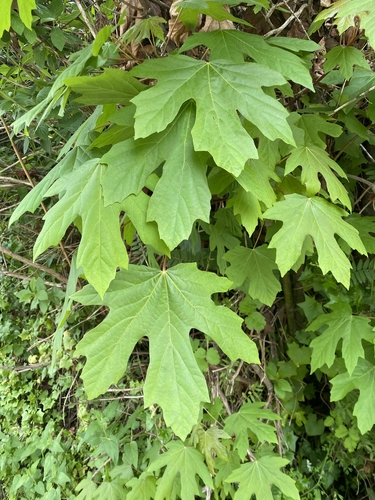
British Columbia, CA
You might spot Bigleaf Maple, Western Sword Fern, and Vanilla Leaf.
View guide →
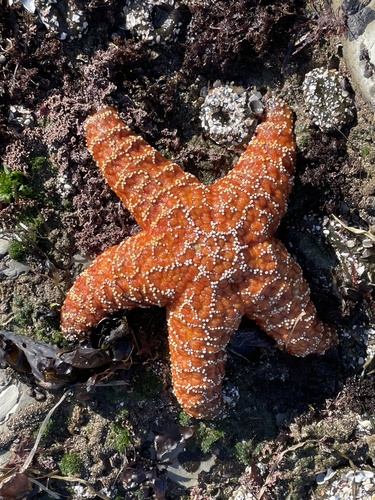
Washington, US
You might spot Ochre Sea Star, Purple Shore Crab, and Strawberry Tree.
View guide →
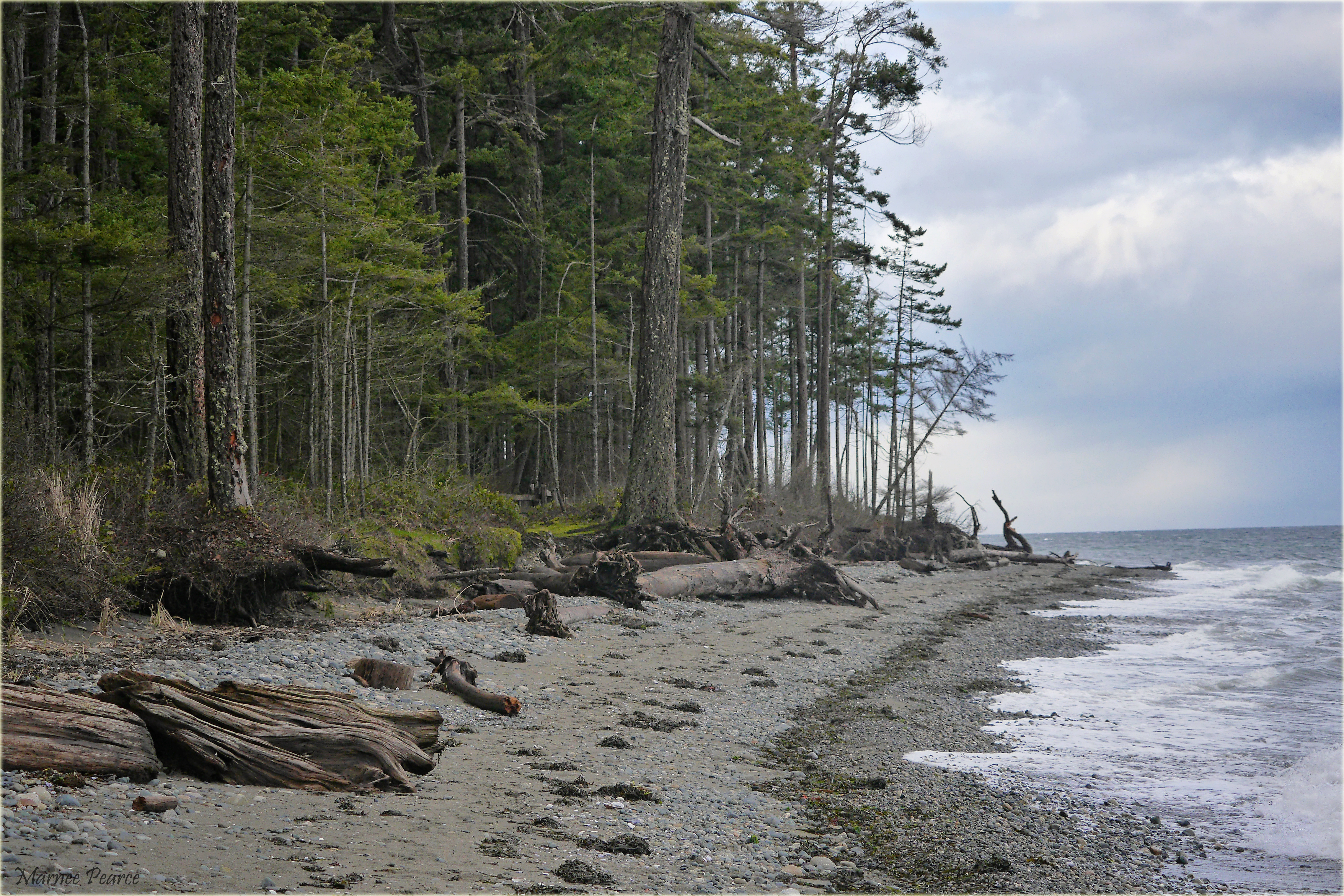
British Columbia, CA
You might spot European Rabbit, Yellow Shore Crab, and Nootka Rose.
View guide →
Take the discovery with you
Snap it with Snappit to identify it, learn what makes it special, and add the discovery to your collection.








.jpg&width=800)




