





Ennominae
ennominae
Ennominae are fascinating moths with beautiful patterns on their wings! They flutter around at night, bringing a magical touch to the dark.
Habitat: Ennominae moths are found in forests, gardens, and meadows.
The Ennominae has generally slender bodies and broad, often triangular wings. Their colors typically include muted browns, greens, greys, and whites, allowing for exceptional camouflage against tree bark or leaves. Many species feature intricate patterns or wavy lines on their wings.
Category
InsectsRarity
Common
Danger
1/5 · Very low
Snaps
Be the first to snap!
Ennominae caterpillars have special hooks on their feet for gripping plants super tight!
Many adult Ennominae moths only live for about a week, focused on laying eggs!
Some Ennominae moths are masters of disguise, blending perfectly with tree bark!
Their caterpillars are nicknamed 'inchworms' because they move by looping their bodies!
Ennominae caterpillars have a unique 'looping' movement because of their reduced number of prolegs that helps them move while looking like a measuring string.
Adult Ennominae moths have wings with intricate patterns and muted colors that helps them disappear against tree bark during the day.
Some Ennominae species can produce foul-tasting chemicals because of their diet that helps them deter hungry birds and other predators.
Caterpillars munch on leaves, while adult moths often sip nectar.
Age differences: Caterpillars eat plant leaves, but adults primarily seek nectar or do not feed.
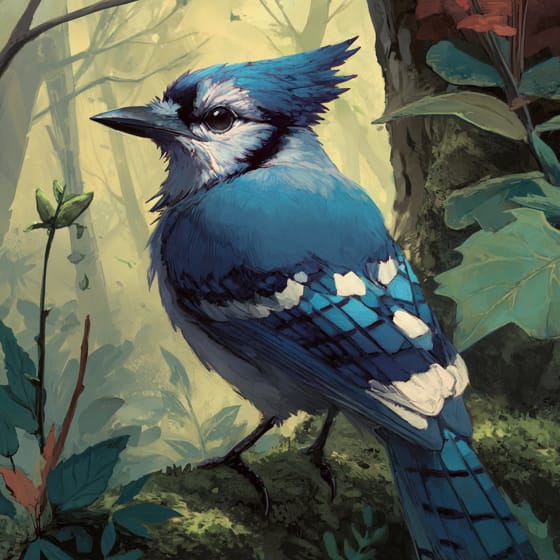
Cyanocitta cristata
Feeds on Ennominae caterpillars and moths.
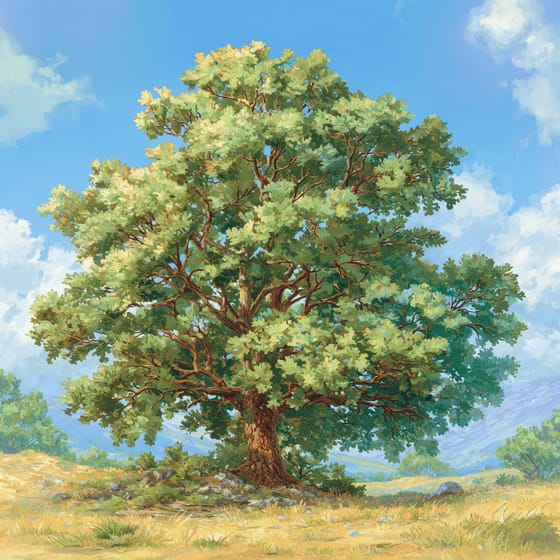
Quercus alba
Caterpillars feed on leaves of various oak species.
Vespula vulgaris
Forages for caterpillars to feed its young.
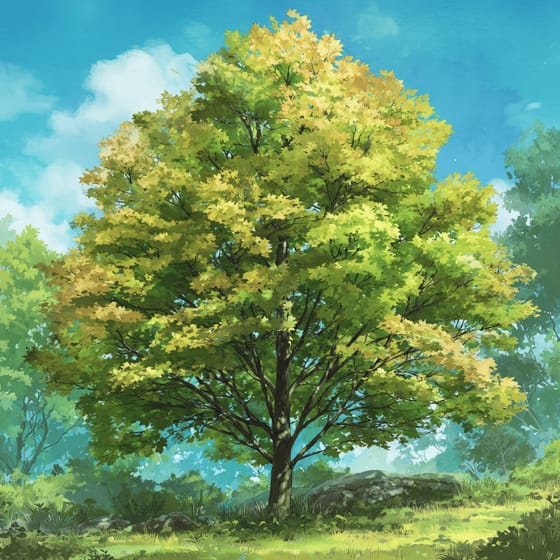
Acer saccharum
Larvae of many species consume maple leaves.
Social animals live in organized groups, cooperating for survival benefits such as foraging, defense, and raising offspring.
Colorful describes organisms or objects displaying a wide range of bright and distinct colors.
This trait characterizes organisms whose diet consists entirely or primarily of plant material.
Forest habitats are terrestrial environments dominated by dense tree cover, supporting a high diversity of plant and animal life.

This trait identifies organisms whose diet consists entirely or primarily of animal tissue.

Nocturnal animals are primarily active during the nighttime hours, typically resting or sleeping during the day.
Danger
1/5 · Very low
Always observe insects from a distance and do not touch them.
The easiest way to identify Ennominae is to use the Snappit nature identifier app.
20-50 mm
10-30 mm
7-14 days
5 km/h
Caterpillars munch on leaves, while adult moths often sip nectar.
Ennominae moths are found in forests, gardens, and meadows.
Foraging
Zoom in to split clusters and explore where this object has been snapped.
Recent snaps will appear here as new observations are added.
Take the discovery with you
Snap it with Snappit to identify it, learn what makes it special, and add the discovery to your collection.








.jpg&width=800)


