





Egira
Egira
Egira is a type of moth that is often found in gardens and forests. They have beautiful patterns on their wings and are active at night, making them special nighttime visitors.
Habitat: Forests
The Egira has a fuzzy, stout body typically covered in brown, grey, or olive-green scales. Its broad, triangular wings feature intricate patterns of darker lines and spots, providing excellent camouflage against tree bark or leaves. A distinctive, feathery antenna set it apart visually.
Category
InsectsRarity
Common
Danger
1/5 · Very low
Snaps
Be the first to snap!
An Egira caterpillar eats so much that it grows its body size by thousands of times before becoming a moth!
Many Egira moths don't eat at all during their adult life, living only to mate and lay eggs!
Some Egira caterpillars can puff up their heads to look like a snake, scaring away hungry birds.
The 'dust' that comes off moth wings is actually thousands of tiny, colorful scales.
Egira has large compound eyes that help them navigate and find food in low-light conditions, even on moonless nights.
Egira can detect the faint scent of flowers and even potential mates from far away using their specialized antennae.
Egira can blend perfectly into its surroundings because of its patterned wings, making it nearly invisible to predators.
Adult Egira moths sip flower nectar, while their hungry caterpillars munch on leaves.
Age differences: Egira caterpillars primarily eat plant leaves and stems, while adult moths primarily feed on nectar and plant sap.
%2C_Parc_de_Woluw%C3%A9%2C_Brussels_(13042792905).jpg&width=800)
Parus major
Birds like tits prey on adult moths and caterpillars.
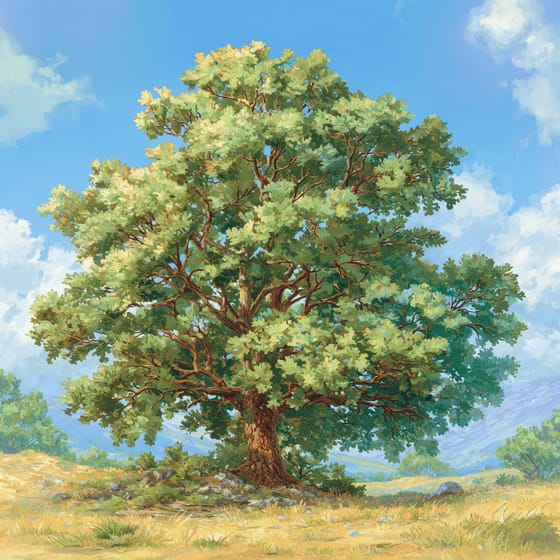
Quercus alba
Egira caterpillars often feed on the leaves of oak trees.

Lonicera japonica
Adult moths visit various flowers, transferring pollen.
Cotesia congregata
Wasps lay eggs on Egira caterpillars, whose larvae then consume the host.
Furry describes animals possessing a dense covering of soft hair or fur.
Camouflaged describes organisms that possess coloring or patterns that allow them to blend into their environment.
Colorful describes organisms or objects displaying a wide range of bright and distinct colors.
This trait characterizes organisms whose diet consists entirely or primarily of plant material.

Describes plants that are particularly attractive and beneficial to a wide range of pollinating organisms.

Forest habitats are terrestrial environments dominated by dense tree cover, supporting a high diversity of plant and animal life.

This trait identifies organisms that exhibit exceptional swiftness in movement for hunting, escape, or travel.

Nocturnal animals are primarily active during the nighttime hours, typically resting or sleeping during the day.

Describes organisms that transfer pollen, enabling the fertilization and reproduction of plants.
No aliases listed yet.
Danger
1/5 · Very low
Don't touch moths, as some can be delicate and may not like being handled.
The easiest way to identify Egira is to use the Snappit nature identifier app.
50-80 mm
25-45 mm
15-30 days
15 km/h
Adult Egira moths sip flower nectar, while their hungry caterpillars munch on leaves.
Forests
Foraging
Zoom in to split clusters and explore where this object has been snapped.
Recent snaps will appear here as new observations are added.
Take the discovery with you
Snap it with Snappit to identify it, learn what makes it special, and add the discovery to your collection.







.jpg&width=800)


