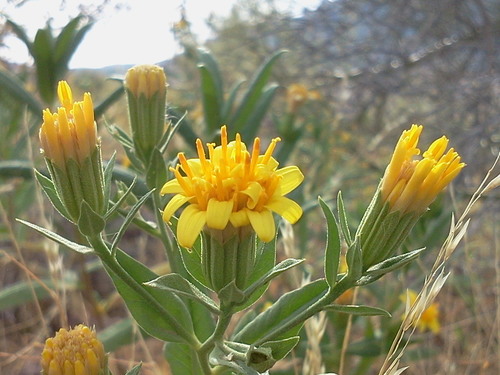


American Threefold
trixis californica
The American Threefold (Trixis californica) is a resilient, evergreen-to-deciduous desert shrub native to the arid landscapes of the southwestern United States and northern Mexico. Belonging to the aster family, this hardy plant brings a burst of year-round color to dry washes and rocky slopes with its cheerful, golden-yellow flowers. It is highly valued for its ability to survive extreme heat and drought, often serving as a critical resource for local desert pollinators when other plants have withered.
Habitat: Found on dry, rocky slopes, gravelly desert washes, and sandy canyon floors within chaparral and desert scrub communities.
This low-growing, spreading shrub typically stands between 30 and 150 centimeters tall, featuring many branches covered in glandular-pubescent, sticky green stems. Its leaves are lance-shaped, bright green, and have smooth or finely-toothed edges. The most distinguishing feature is the clustered heads of bright yellow flowers, each head containing about 11 to 14 individual florets that have a distinctive two-lipped (bilabiate) shape, with the outer lip divided into three small lobes.
Category
PlantsRarity
Common
Danger
1/5 · Very low
Snaps
Be the first to snap!
Because of its sticky, glandular foliage, the plant is highly resistant to many common mammalian herbivores, allowing it to thrive in heavy-grazing desert environments.
Indigenous groups, including the Seri people of Mexico, traditionally used a decoction brewed from the roots of this plant to treat respiratory issues like colds.
The name 'Threefold' refers to the unique shape of the yellow flower's outer corolla lip, which is split into three distinct lobes.
During periods of extreme moisture stress, this plant can drop its leaves to conserve vital water, quickly regrowing them when rains return.
Unlike many seasonal plants, it has the ability to bloom at any time of the year in response to unpredictable desert rainfall.
The stems and leaves secrete a sticky, glandular substance that deters crawling insect pests while reducing water loss through transpiration.
As a photosynthetic plant, the American Threefold synthesizes its own organic compounds using sunlight, carbon dioxide, water, and minerals absorbed from the soil.
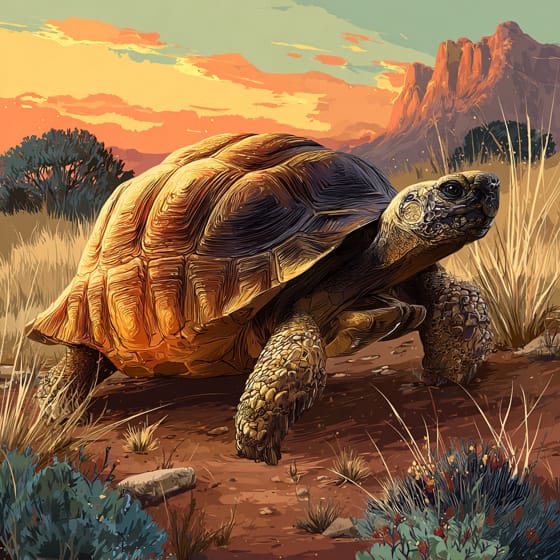
Gopherus agassizii
Provides critical forage, especially during dry seasons when other desert vegetation is scarce.
Apis mellifera
Visits the bright yellow flowers to collect nectar and pollen, acting as an essential pollinator.

Larrea tridentata
Competes for water and root space in the shared desert wash and scrub habitats.
No trait badges are assigned for this object yet.
No aliases listed yet.
Collections for this object will appear here as more themes are added.
Danger
1/5 · Very low
No special safety notes yet.
The easiest way to identify American Threefold is to use the Snappit nature identifier app.
30-150 cm
5-20 years
As a photosynthetic plant, the American Threefold synthesizes its own organic compounds using sunlight, carbon dioxide, water, and minerals absorbed from the soil.
Found on dry, rocky slopes, gravelly desert washes, and sandy canyon floors within chaparral and desert scrub communities.
Zoom in to split clusters and explore where this object has been snapped.
Recent snaps will appear here as new observations are added.
Take the discovery with you
Snap it with Snappit to identify it, learn what makes it special, and add the discovery to your collection.








.jpg&width=800)



_001.jpg&width=800)




