





American Water Frogs
Lithobates
American Water Frogs are big, green frogs that love to live near water. They can jump really far and make a loud croaking sound, especially during the night!
Habitat: Wetlands
The American Water Frogs have smooth, moist skin, often green, olive, or brownish, with a pale belly. They are characterized by their large eardrums (tympanum) and may have distinct dorsolateral folds running down their back.
Category
AmphibiansRarity
Common
Danger
1/5 · Very low
Snaps
Be the first to snap!
A frog's eyes help them swallow; they pull them into their head to push food down!
Frogs don't drink water; they absorb it through special patches on their skin!
Male water frogs create loud croaking choruses to attract mates that can be heard far away!
Some tadpoles can take up to three years to transform into frogs!
American Water Frogs can leap over ten times their body length to escape danger because of their powerful hind legs.
American Water Frogs can breathe through their skin underwater because it is permeable and covered in tiny blood vessels.
American Water Frogs has a super sticky, projectile tongue that helps them snatch unsuspecting insects and other small prey.
American Water Frogs can blend into their surroundings because their skin color and pattern perfectly mimic aquatic vegetation.
These frogs eat almost anything they can fit in their mouth, from insects to small mammals!
Age differences: Tadpoles are mostly herbivorous, feeding on algae, while adult frogs are exclusively carnivorous.
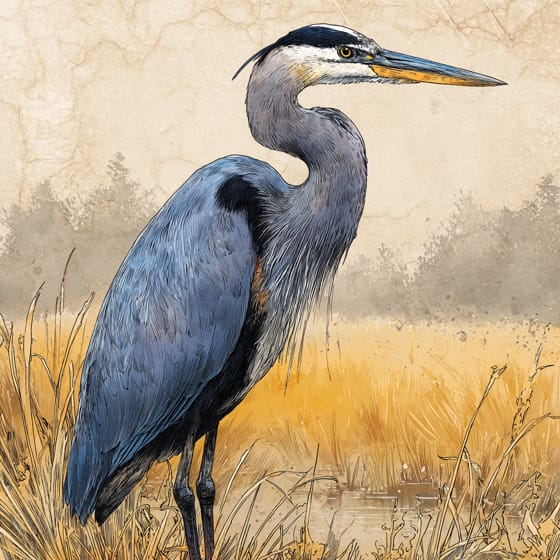
Ardea herodias
Large birds hunt frogs near the water's edge.
Thamnophis sirtalis
Snakes are common predators, ambushing frogs on land or in water.

Procyon lotor
Nocturnal mammals often forage for frogs along shorelines.
Anax junius
Adult frogs prey on large flying insects like dragonflies.
Aquarius remigis
Frogs ambush water insects that skim the surface of ponds.
Characterized by having toes connected by a membrane, typically aiding in swimming.
Solitary animals live alone for most of their lives, only interacting with others for mating or parental care.
This trait identifies organisms whose diet primarily consists of insects and other small invertebrates.
Piscivorous organisms are animals that primarily subsist on a diet of fish.

This habitat trait identifies species found in wetlands, which are areas of land saturated with water, either permanently or seasonally, including marshes, swamps, and bogs.

This trait identifies organisms whose diet consists entirely or primarily of animal tissue.

Aquatic habitats encompass environments where organisms live predominantly in water, including oceans, rivers, lakes, and wetlands.

Giant describes organisms or objects of significantly larger size than average for their species or type.

Nocturnal animals are primarily active during the nighttime hours, typically resting or sleeping during the day.
No aliases listed yet.
Danger
1/5 · Very low
Always watch your step near water and don't try to catch frogs unless an adult says it's okay.
The easiest way to identify American Water Frogs is to use the Snappit nature identifier app.
7-20 cm
0.05-0.6 kg
5-10 years
5 km/h
These frogs eat almost anything they can fit in their mouth, from insects to small mammals!
Wetlands
Ambush
Zoom in to split clusters and explore where this object has been snapped.
Recent snaps will appear here as new observations are added.
Take the discovery with you
Snap it with Snappit to identify it, learn what makes it special, and add the discovery to your collection.









.JPG&width=800)



.jpg&width=800)

