.jpg&width=800)





Amphibia
Amphibia
Amphibians are cool animals that can live both in water and on land! They start their lives as tadpoles and grow into frogs or salamanders. They have smooth skin and love to hop around!
Habitat: Wetlands
The Amphibia has smooth, moist skin often in shades of green, brown, or vibrant patterns of red, yellow, and blue. Unlike reptiles, they lack scales, fur, or feathers, and typically feature prominent eyes, large mouths, and webbed feet in many species.
Category
AmphibiansRarity
Common
Danger
1/5 · Very low
Snaps
Be the first to snap!
Many salamanders can regrow lost limbs, tails, and even parts of their brains!
Some amphibians can freeze solid in winter and then thaw out alive!
Some tiny dart frogs have skin poisons strong enough to kill many animals!
The Goliath frog from Africa can grow over a foot long, making it the world's largest frog!
Amphibians can rapidly extend a sticky tongue to snatch insects because it helps them capture fast-moving prey.
Amphibians can absorb oxygen through their moist skin because it allows them to breathe underwater or on land.
Amphibians can live both in water and on land because their unique bodies adapt to different environments.
Some amphibians can release toxic chemicals from their skin because it helps protect them from predators.
Amphibians are carnivores, mostly eating small insects and other invertebrates.
Age differences: Young amphibians (tadpoles) are often herbivorous or omnivorous, eating algae and plants; adults are mostly carnivorous.
Musca domestica
Amphibians quickly snap up flies with their tongues.
Thamnophis sirtalis
Garter snakes frequently prey on frogs and salamanders.
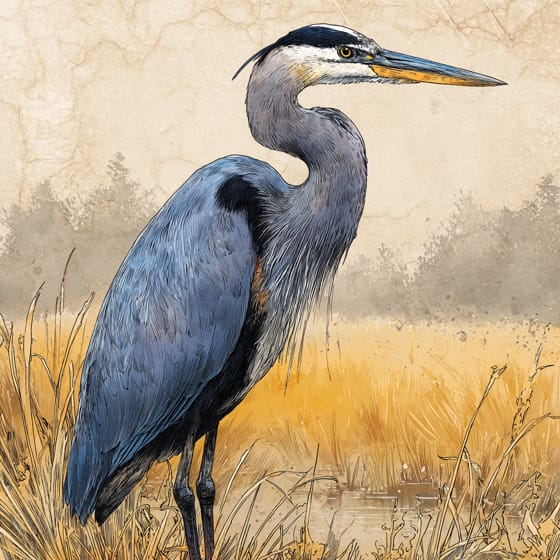
Ardea herodias
Herons are skilled at catching amphibians in shallow water.
Lumbricus terrestris
Many amphibians will eat earthworms found in moist soil.
Characterized by having toes connected by a membrane, typically aiding in swimming.
Solitary animals live alone for most of their lives, only interacting with others for mating or parental care.
Camouflaged describes organisms that possess coloring or patterns that allow them to blend into their environment.
Colorful describes organisms or objects displaying a wide range of bright and distinct colors.

This trait identifies organisms whose diet primarily consists of insects and other small invertebrates.

This habitat trait identifies species found in wetlands, which are areas of land saturated with water, either permanently or seasonally, including marshes, swamps, and bogs.

Describes a species whose presence and role have a disproportionately large effect on its environment.

Nocturnal animals are primarily active during the nighttime hours, typically resting or sleeping during the day.

Endangered status indicates a species is at a very high risk of extinction in the wild in the near future.
No aliases listed yet.
Danger
1/5 · Very low
Always wash your hands after touching amphibians, as they can have sensitive skin.
The easiest way to identify Amphibia is to use the Snappit nature identifier app.
0.77-180 cm
0.0005-60 kg
2-55 years
15 km/h
Amphibians are carnivores, mostly eating small insects and other invertebrates.
Wetlands
Ambush
Zoom in to split clusters and explore where this object has been snapped.
Recent snaps will appear here as new observations are added.
Take the discovery with you
Snap it with Snappit to identify it, learn what makes it special, and add the discovery to your collection.








.JPG&width=800)


.jpg&width=800)
