





angelicas
Angelica
Angelicas are tall, leafy plants that grow in damp places. They have pretty white flowers that attract butterflies and bees, making them a favorite in gardens.
Habitat: Wetlands
The angelicas has tall, hollow, ridged stems, often purplish near the base. It features large, deeply divided leaves and distinctive umbrella-like clusters of tiny greenish-white to pale yellow flowers that form a striking dome.
Category
PlantsRarity
Common
Danger
1/5 · Very low
Snaps
Be the first to snap!
Believe it or not, angelica is a cousin to carrots, parsley, and even dill!
Its candied stems were once a very popular sweet treat, especially in Europe!
People used to believe angelica could protect against evil spirits and bad luck.
The roots of angelica can be used to flavor some special liqueurs and spirits.
Angelicas can grow very tall and quickly to reach sunlight, giving them an advantage over smaller plants.
Angelicas has strongly scented leaves and stems that can help deter some animals from munching on them.
Angelicas produces large, flat-topped flower clusters to attract many different kinds of insect pollinators at once.
Apis mellifera
Collects nectar and pollen from its flowers.
Bombus terrestris
Visits its abundant flower heads for nectar.
Papilio machaon
Adult butterflies feed on its rich nectar.
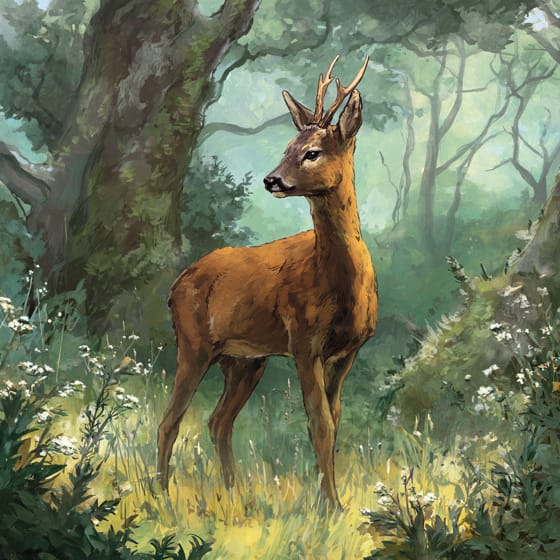
Capreolus capreolus
May browse on its young, tender shoots.
Aromatic plants produce and emit fragrant volatile organic compounds, often for defense or to attract pollinators.
Flowering plants are any plants that produce flowers as part of their reproductive cycle.
Biennial plants complete their life cycle over two growing seasons, typically forming foliage in the first year and flowering/seeding in the second.
Fragrant flowers emit a pleasant aroma, often to attract pollinators or for defense.

Medicinal plants possess chemical compounds that can be used for therapeutic purposes to treat illnesses or maintain health.

Edible plants are those parts of a plant that are considered safe for human consumption.

Describes plants that are particularly attractive and beneficial to a wide range of pollinating organisms.

This habitat trait identifies species found in wetlands, which are areas of land saturated with water, either permanently or seasonally, including marshes, swamps, and bogs.
Danger
1/5 · Very low
Always ask an adult before touching or tasting any plants.
The easiest way to identify angelicas is to use the Snappit nature identifier app.
100-250 cm
60-120 cm
0.2-0.5 cm
Summer
Yes
Mild
Biennial
Zoom in to split clusters and explore where this object has been snapped.
Recent snaps will appear here as new observations are added.
Take the discovery with you
Snap it with Snappit to identify it, learn what makes it special, and add the discovery to your collection.








.jpg&width=800)


_001.jpg&width=800)



