





Florida Thatch Palm
Thrinax radiata
The Florida Thatch Palm is a tall, slender tree with beautiful fan-shaped leaves. It grows in sunny places and can be found in many parks and gardens in Florida.
Habitat: Coastal areas
The Florida Thatch Palm is a slender, single-trunked palm with a crown of stiff, deeply divided, dark green, fan-shaped leaves. Its trunk is smooth and grayish, often showing old leaf scars, contrasting with the vibrant green canopy.
Category
PlantsRarity
Common
Danger
1/5 · Very low
Snaps
Be the first to snap!
Even its tough trunk provides a home for various insects and small creatures.
Indigenous peoples once wove its tough leaves into durable roofs for their homes.
Its small, white fruits turn brilliant white when ripe, looking like tiny pearls!
This palm can live for over 100 years, standing tall through many generations!
Florida Thatch Palm has flexible fronds and trunks that can bend in strong winds, helping it survive powerful hurricanes.
This palm can grow right by the salty ocean, as its roots are adapted to handle brackish water and sea spray.
Its roots are excellent at finding and storing water, allowing it to thrive even in dry, sandy soils.
.jpg&width=800)
Patagioenas leucocephala
Consumes its small, white fruits.
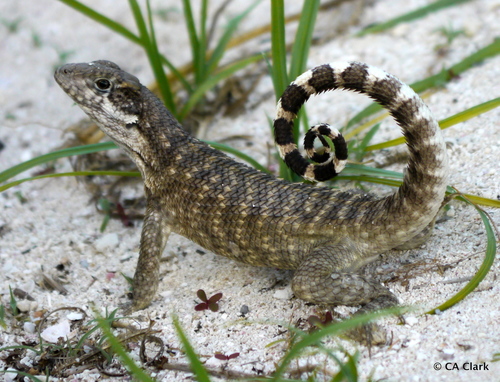
Anolis carolinensis
Hides among its fronds and trunk.
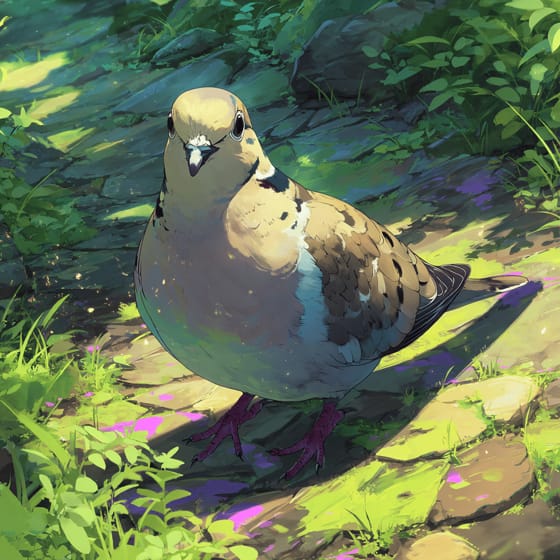
Zenaida macroura
Builds nests within its protective fronds.
Flowering plants are any plants that produce flowers as part of their reproductive cycle.
Broadleaf trees are angiosperms characterized by flat, wide leaves that are typically shed annually in temperate climates.
Evergreen plants retain their foliage throughout the year, never shedding all their leaves at once.
This human use trait identifies species that yield natural fibers, used by humans for textiles, rope, paper, and other manufactured goods.

Describes plants that are particularly attractive and beneficial to a wide range of pollinating organisms.

Coastal habitats are dynamic environments located along the interface between land and sea, influenced by tides, waves, and saltwater.
No aliases listed yet.
Danger
1/5 · Very low
Stay away from sharp leaves and branches when exploring around palm trees.
The easiest way to identify Florida Thatch Palm is to use the Snappit nature identifier app.
300-600 cm
100-200 cm
Year-round, primarily late spring to fall
No
None
Perennial
Wind
Zoom in to split clusters and explore where this object has been snapped.
Recent snaps will appear here as new observations are added.
Take the discovery with you
Snap it with Snappit to identify it, learn what makes it special, and add the discovery to your collection.








.jpg&width=800)


_001.jpg&width=800)



