





Annual Valerian
Centranthus calcitrapae
The Annual Valerian is a cheerful flower that blooms in bright colors like pink and red. It's a favorite among butterflies and bees, making gardens lively and fun!
Habitat: Grasslands
The Annual Valerian has slender, often branched stems reaching up to two feet, topped with clusters of tiny, star-shaped flowers. These delicate blooms are typically a bright pink to purplish-red, distinguishing it from other similar roadside wildflowers.
Category
PlantsRarity
Common
Danger
1/5 · Very low
Snaps
Be the first to snap!
In Mediterranean regions, young Annual Valerian leaves are sometimes added to salads!
Its scientific name means 'spur-valerian,' for the small spur on its tiny flowers.
Its tiny seeds can hitch a ride on animal fur or even your clothes!
This plant is often one of the first to grow in disturbed or cleared areas.
Annual Valerian can grow quickly and complete its life cycle rapidly, helping it thrive in changing environments.
Annual Valerian produces many small seeds that scatter widely, ensuring new plants can sprout far and wide.
Annual Valerian has roots that can grip and grow even in poor or rocky soils, letting it colonize tough spots.
Apis mellifera
Collects nectar and pollen from flowers.
Vanessa cardui
Feeds on nectar from its small blooms.
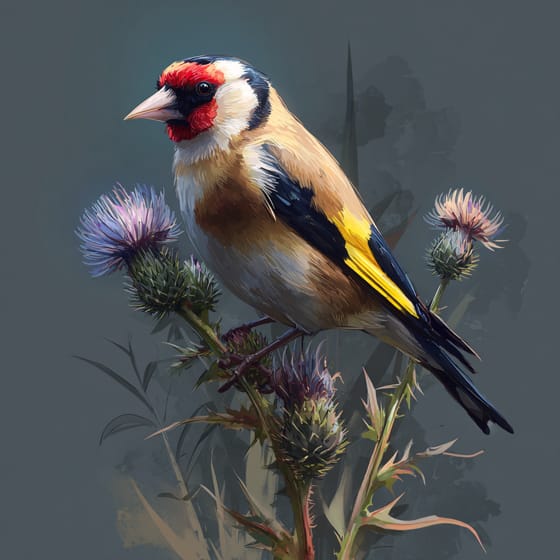
Carduelis carduelis
May feed on the small, ripe seeds.
Flowering plants are any plants that produce flowers as part of their reproductive cycle.
Summer blooming plants produce their flowers during the summer season, often providing vibrant color when many other plants have finished.
Fragrant flowers emit a pleasant aroma, often to attract pollinators or for defense.
Colorful describes organisms or objects displaying a wide range of bright and distinct colors.

Grassland habitats are terrestrial biomes dominated by grasses and herbaceous plants, supporting a variety of grazing animals.

Describes plants that are particularly attractive and beneficial to a wide range of pollinating organisms.

Rapid growing plants exhibit accelerated growth rates, quickly increasing in size and biomass within a short period.
No aliases listed yet.
Danger
1/5 · Very low
Always ask an adult before touching or picking flowers.
The easiest way to identify Annual Valerian is to use the Snappit nature identifier app.
10-60 cm
10-30 cm
0.3-0.6 cm
Spring to early summer
No
None
Annual
Zoom in to split clusters and explore where this object has been snapped.
Recent snaps will appear here as new observations are added.
Take the discovery with you
Snap it with Snappit to identify it, learn what makes it special, and add the discovery to your collection.








.jpg&width=800)


_001.jpg&width=800)




