_001.jpg&width=800)





western sword fern
Polystichum munitum
The western sword fern has long, green leaves that look like swords! It grows in shady places and is a great plant for making forests look beautiful.
Habitat: Forests
The western sword fern has stiff, upright fronds, often reaching over a meter tall. Its dark green, leathery leaflets are distinctively sword-shaped, with tiny 'ears' at their base, giving it a rough, saw-toothed edge.
Category
PlantsRarity
Common
Danger
1/5 · Very low
Snaps
24
Indigenous peoples historically used its roots for food after roasting, like small potatoes!
Its fronds can grow up to two meters long, making it one of the largest ferns in its range!
Look closely for tiny bumps on the underside of old fronds; these are sori, where spores are made!
Some western sword ferns can live for over 100 years, a true forest elder!
Western sword fern can reproduce using tiny spores, invisible to the eye, spreading new ferns far and wide without seeds!
Western sword fern has strong, leathery fronds that help it survive dry spells and protect against hungry critters.
This fern can keep its green fronds all winter, collecting sunlight even when other plants lose their leaves.
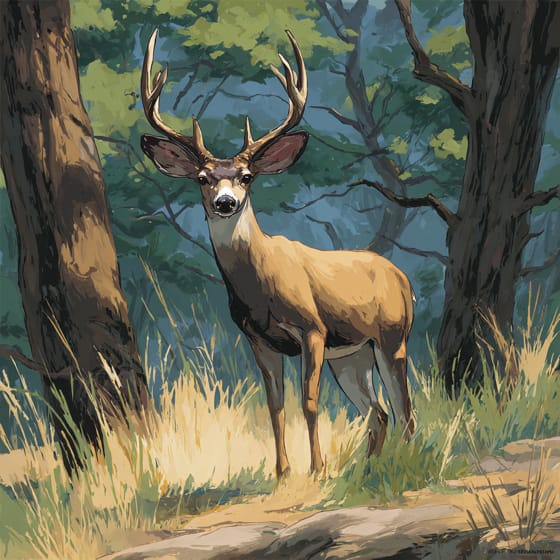
Odocoileus hemionus
Browses on fronds, especially in winter when other food is scarce.

Rana aurora
Uses dense fronds for hiding from predators and staying moist.
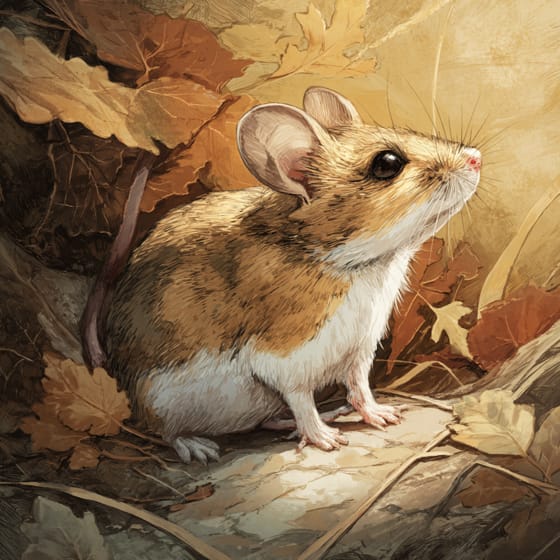
Peromyscus maniculatus
Builds nests under its protective fronds.
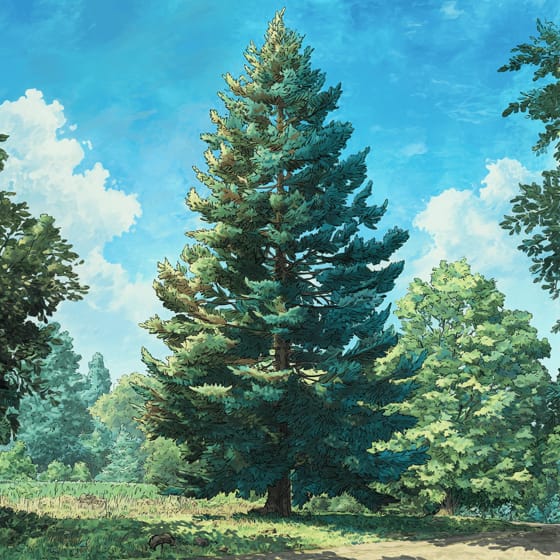
Pseudotsuga menziesii
Thrives in the shade of these towering trees.
Shade tolerant plants are adapted to grow and thrive in areas with low light levels, requiring less direct sunlight.
Evergreen plants retain their foliage throughout the year, never shedding all their leaves at once.
Spore-producing organisms reproduce by releasing small, often single-celled, reproductive units called spores.
Forest habitats are terrestrial environments dominated by dense tree cover, supporting a high diversity of plant and animal life.

This trait characterizes organisms with an exceptionally long lifespan compared to others of their kind.
No aliases listed yet.
Danger
1/5 · Very low
Don't touch plants unless you know they are safe, and always wash your hands after exploring.
The easiest way to identify western sword fern is to use the Snappit nature identifier app.
50-150 cm
60-100 cm
Yes
None
Perennial
Forests
Zoom in to split clusters and explore where this object has been snapped.

California, US
You might spot Redwood Sorrel, Redwood, and Button's Banana Slug.
View guide →

Washington, US
You might spot Rock Pigeon, Great Blue Heron, and Duck.
View guide →

Oregon, US
You might spot Rough-Skinned Newt and Isabella Tiger Moth.
View guide →

California, US
You might spot Mule Deer, Turkey, and Duck.
View guide →
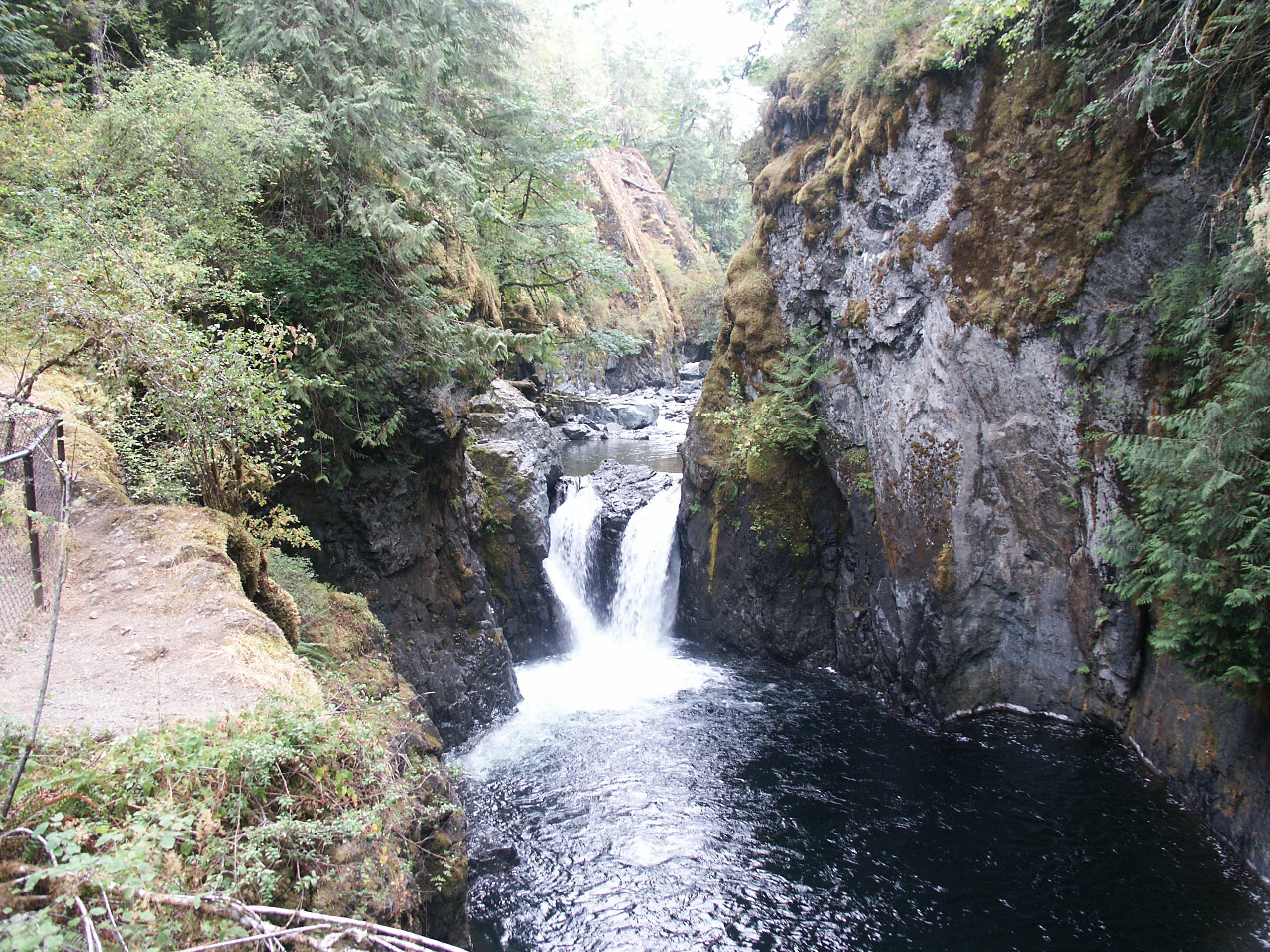
British Columbia, CA
You might spot Vanilla Leaf, Western Maidenhair Fern, and Salal.
View guide →

Washington, US
You might spot Surf Scoter, Horned Grebe, and Salmonberry.
View guide →
Take the discovery with you
Snap it with Snappit to identify it, learn what makes it special, and add the discovery to your collection.








.jpg&width=800)






