





Aphonopelma chalcodes
Aphonopelma chalcodes
The Aphonopelma chalcodes, also known as the Arizona blonde tarantula, is a big, furry spider that lives in the desert. They are gentle and mostly stay in their burrows, coming out at night to hunt for food.
Habitat: Desert
The Aphonopelma chalcodes is a medium-sized tarantula, often called the Desert Blonde due to its pale, sandy-colored body and legs. Females are typically lighter, displaying a golden-blonde hue, while males are darker, almost black. Its entire body is covered in fine, velvety hairs.
Category
InsectsRarity
Common
Danger
2/5 · Low
Snaps
2
Males are often nearly black, a striking contrast to the blonde females!
Their bite is typically milder than a common bee or wasp sting.
These desert dwellers can go for many months without eating a single meal!
They are often called 'Desert Blondes' for their beautiful pale coloring.
Aphonopelma chalcodes can flick tiny, irritating hairs from its abdomen that helps them defend against predators.
Aphonopelma chalcodes has fangs that deliver mild venom that helps them quickly paralyze insect prey.
Aphonopelma chalcodes can produce silk that helps them line burrows and create alarm tripwires for hunting prey.
Aphonopelma chalcodes mainly eats insects and other small creatures it ambushes from its burrow.
Age differences: Younger tarantulas eat smaller insects, while adults can tackle larger prey.
Pepsis formosa
This large wasp paralyzes and lays eggs on tarantulas.
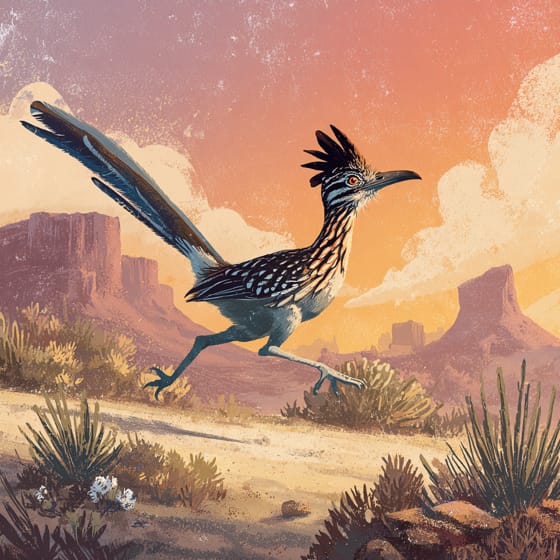
Geococcyx californianus
Roadrunners are fast desert birds that prey on spiders.
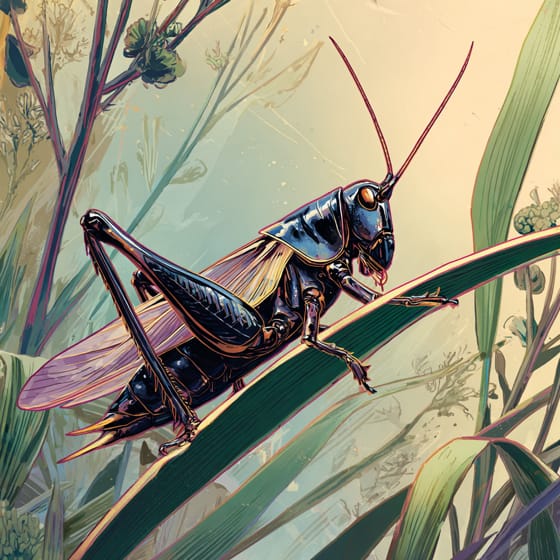
Gryllus assimilis
An important food source for the tarantula in its desert habitat.
Furry describes animals possessing a dense covering of soft hair or fur.
Solitary animals live alone for most of their lives, only interacting with others for mating or parental care.
Burrowing animals dig tunnels and chambers in the ground, using these subterranean structures for shelter, hunting, or breeding.
This trait identifies organisms whose diet primarily consists of insects and other small invertebrates.

Desert habitats are arid regions characterized by extremely low precipitation and often extreme temperatures, supporting specialized flora and fauna.

This trait characterizes organisms with an exceptionally long lifespan compared to others of their kind.

This trait identifies organisms whose diet consists entirely or primarily of animal tissue.

Nocturnal animals are primarily active during the nighttime hours, typically resting or sleeping during the day.
Danger
2/5 · Low
Always watch from a distance and never try to touch or catch a tarantula.
The easiest way to identify Aphonopelma chalcodes is to use the Snappit nature identifier app.
50-70 mm
9125-10950 days
Aphonopelma chalcodes mainly eats insects and other small creatures it ambushes from its burrow.
Desert
Ambush
8
Zoom in to split clusters and explore where this object has been snapped.
Take the discovery with you
Snap it with Snappit to identify it, learn what makes it special, and add the discovery to your collection.










.jpg&width=800)




