





Mountain Lady Beetle
coccinella monticola
The Mountain Lady Beetle is a tiny, colorful bug that loves to munch on aphids! These little beetles can be found climbing around in gardens and forests, making them fun to spot!
Habitat: Mountainous regions, forests, and gardens.
The Mountain Lady Beetle is a small, oval-shaped insect typically featuring bright red or orange wing covers adorned with seven prominent black spots. It has a black head with two short antennae and black legs, giving it the classic ladybug appearance. This distinct coloration makes it easily recognizable.
Category
InsectsRarity
Common
Danger
0/5 · No known danger
Snaps
3
Lady beetles often play dead by tucking in their legs if they feel threatened!
Some ladybugs travel many miles to find the best place to lay their eggs!
Their hard wing covers protect delicate flying wings hidden underneath!
They taste their food with their antennae before taking a bite!
Mountain Lady Beetles can eat hundreds of plant pests because of their insatiable appetite, which helps protect crops.
This beetle can secrete a foul-smelling, bitter fluid from its leg joints that helps deter hungry predators.
The Mountain Lady Beetle has vibrant red and black markings that help warn predators it tastes bad or is toxic.
Mountain Lady Beetles can gather in large groups to hibernate, helping them survive cold mountain winters.
These tiny hunters gobble up garden pests to keep plants healthy!
Age differences: Larvae consume more aphids than adults for rapid growth.
Aphis fabae
A primary food source for all life stages.
Myzus persicae
Helps control populations of this widespread pest.
%2C_Parc_de_Woluw%C3%A9%2C_Brussels_(13042792905).jpg&width=800)
Parus major
Birds can sometimes prey on lady beetles.
Pinus ponderosa
Often found on trees in mountainous regions.
Marked with spots or patches of a different color.
Solitary animals live alone for most of their lives, only interacting with others for mating or parental care.
Colorful describes organisms or objects displaying a wide range of bright and distinct colors.
This trait identifies organisms whose diet consists entirely or primarily of animal tissue.

Diurnal animals are primarily active during daylight hours, typically resting or sleeping at night.
Danger
0/5 · No known danger
No special safety notes yet.
The easiest way to identify Mountain Lady Beetle is to use the Snappit nature identifier app.
8-14 mm
4-7 mm
90-365 days
8 km/h
These tiny hunters gobble up garden pests to keep plants healthy!
Mountainous regions, forests, and gardens.
Foraging
Zoom in to split clusters and explore where this object has been snapped.

Utah, US
You might spot Common Golden-Mantled Ground Squirrel and Steller's Jay.
View guide →

Utah, US
You might spot Common Golden-Mantled Ground Squirrel and Steller's Jay.
View guide →
Wyoming, US
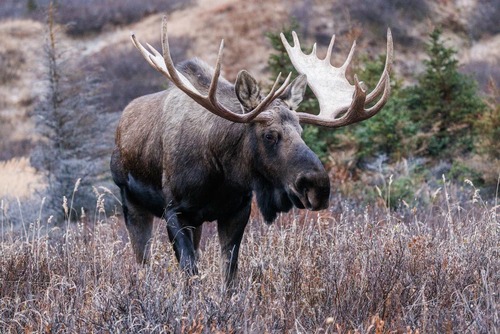
You might spot Moose, Black Bear, and Sticky Geranium.
View guide →

Utah, US
You might spot Common Golden-Mantled Ground Squirrel and Steller's Jay.
View guide →

British Columbia, CA
You might spot White Pasqueflower and Hoary Marmot.
View guide →
Take the discovery with you
Snap it with Snappit to identify it, learn what makes it special, and add the discovery to your collection.








.jpg&width=800)



