





Aphrophora
Aphrophora
Aphrophora are tiny insects that love to hop around in gardens and fields. They are known for their bubbly foam homes that protect them while they grow.
Habitat: Grasslands
The Aphrophora is a small, wedge-shaped insect, typically brown, grey, or mottled green. It has large, dark eyes on the sides of its head and translucent wings often held tent-like over its back. Its stout hind legs are noticeable for jumping.
Category
InsectsRarity
Common
Danger
1/5 · Very low
Snaps
Be the first to snap!
An adult Aphrophora can fly, but usually prefers to jump away from danger instead!
The foamy "spittle" created by young Aphrophora is actually mostly plant sap and air!
These small insects share a family with the loudest insects on Earth, the cicadas!
You might hear their bubbly homes called "cuckoo spit" by people in the countryside!
Aphrophora can launch themselves great distances because of powerful hind legs that help them escape danger.
Nymphs produce a bubbly foam that helps them hide from predators and stay moist on plants.
Aphrophora has a piercing-sucking mouthpart that helps them drink sap from plants like a tiny straw.
Aphrophora are plant-eaters that use a special mouthpart to drink sweet plant sap.
Salix alba
feeds on its sap
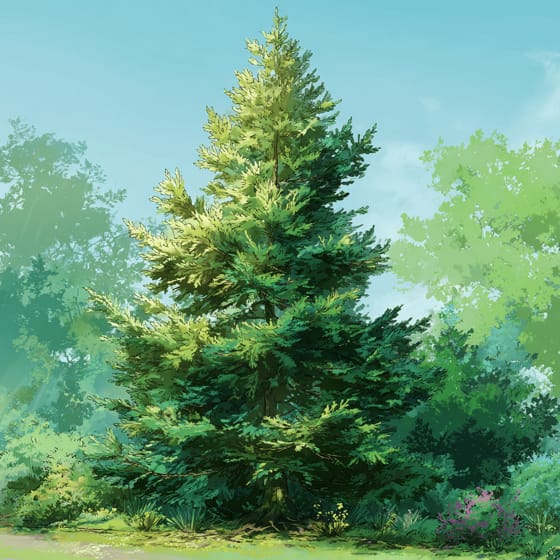
Picea abies
adults and nymphs feed here
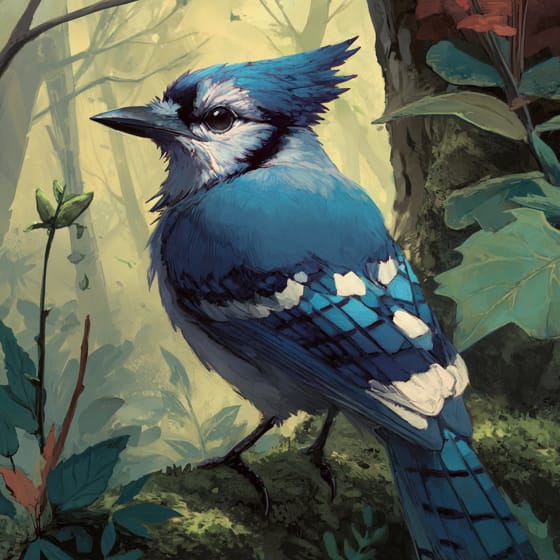
Cyanocitta cristata
eats adult spittlebugs
Araneus diadematus
traps them in its webs
Social animals live in organized groups, cooperating for survival benefits such as foraging, defense, and raising offspring.
Grassland habitats are terrestrial biomes dominated by grasses and herbaceous plants, supporting a variety of grazing animals.
This trait characterizes organisms whose diet consists entirely or primarily of plant material.
Diurnal animals are primarily active during daylight hours, typically resting or sleeping at night.

Pertaining to species that are significantly smaller than typical or average for their kind.

Describes organisms that transfer pollen, enabling the fertilization and reproduction of plants.
No aliases listed yet.
Danger
1/5 · Very low
It's best to watch insects from a distance and not touch them.
The easiest way to identify Aphrophora is to use the Snappit nature identifier app.
10-14 mm
5-7 mm
30-60 days
Aphrophora are plant-eaters that use a special mouthpart to drink sweet plant sap.
Grasslands
Foraging
6
Zoom in to split clusters and explore where this object has been snapped.
Recent snaps will appear here as new observations are added.
Take the discovery with you
Snap it with Snappit to identify it, learn what makes it special, and add the discovery to your collection.






.jpg&width=800)




