





Apple Sphinxes
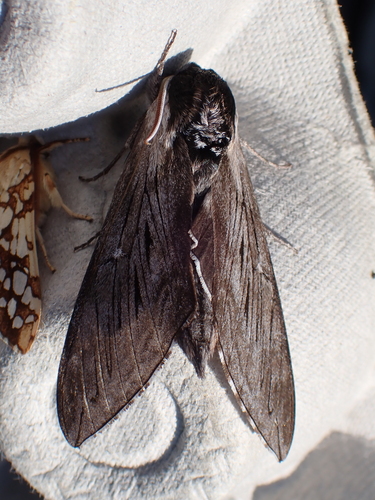
Sphinx gordius
Apple Sphinxes are fun caterpillars that look like little green snakes! They love to munch on apple leaves and can turn into beautiful moths. Watch out for their cool camouflage!
Habitat: Forests
The Apple Sphinxes has sturdy, grey-brown forewings often marked with a dark central streak and white spots. Its hindwings show striking pinkish-red bands against a dark background. This large moth has a thick, furry grey body, making it quite robust.
Category
InsectsRarity
Common
Danger
1/5 · Very low
Snaps
1
Adult moths are nocturnal flyers, often traveling far at night.
Apple Sphinx caterpillars eat leaves and grow super fast!
Its caterpillar can rear up, looking like a tiny sphinx statue!
They have a very long 'tongue' to sip nectar from deep flowers!
Apple Sphinxes can change caterpillar skin color to perfectly match leaves, helping them hide from hungry birds.
Apple Sphinxes can hover in mid-air like a hummingbird because of their powerful wings, letting them drink nectar from flowers.
Apple Sphinxes has a horn-like 'tail' as a caterpillar that can trick predators into thinking it's a snake, helping it stay safe.
Caterpillars munch on leaves, while adult moths sip sweet flower nectar.
Age differences: Caterpillars are leaf-eaters, while adult moths exclusively drink nectar from flowers.
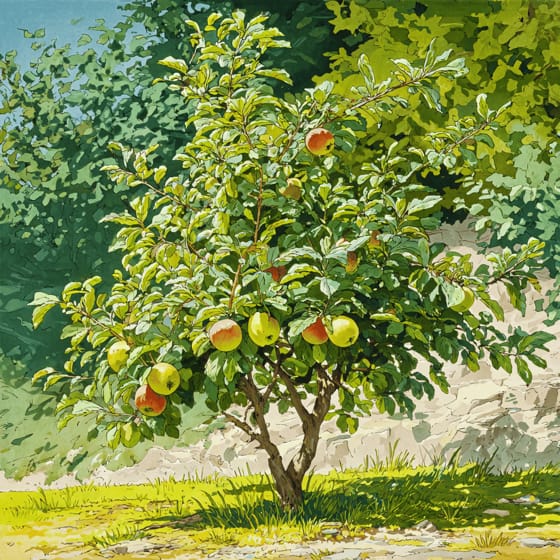
Malus domestica
Caterpillars feed on its leaves.
Prunus serotina
Its leaves are a favorite food for young caterpillars.

Syringa vulgaris
Adult moths sip nectar, helping its flowers.
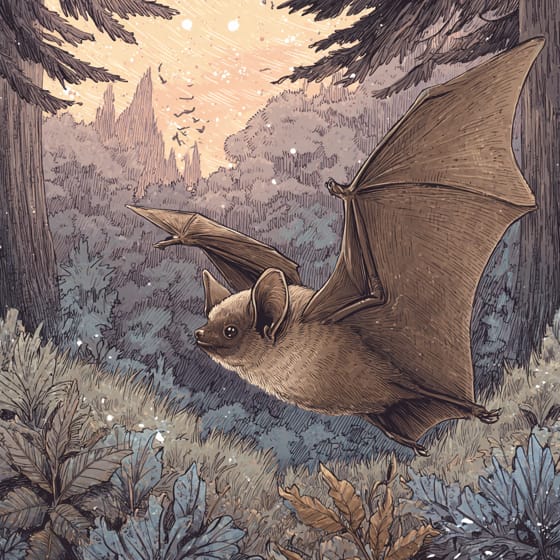
Myotis lucifugus
These nocturnal hunters prey on adult moths.
Cotesia congregata
Larvae develop inside Apple Sphinx caterpillars.
Furry describes animals possessing a dense covering of soft hair or fur.
Solitary animals live alone for most of their lives, only interacting with others for mating or parental care.
Camouflaged describes organisms that possess coloring or patterns that allow them to blend into their environment.
Colorful describes organisms or objects displaying a wide range of bright and distinct colors.

This trait characterizes organisms whose diet consists entirely or primarily of plant material.

Forest habitats are terrestrial environments dominated by dense tree cover, supporting a high diversity of plant and animal life.

Nocturnal animals are primarily active during the nighttime hours, typically resting or sleeping during the day.

Describes organisms that transfer pollen, enabling the fertilization and reproduction of plants.
No aliases listed yet.
Danger
1/5 · Very low
Always look but don't touch caterpillars, as some can be delicate.
The easiest way to identify Apple Sphinxes is to use the Snappit nature identifier app.
70-100 mm
40-50 mm
7-14 days
40 km/h
Caterpillars munch on leaves, while adult moths sip sweet flower nectar.
Forests
Foraging
Zoom in to split clusters and explore where this object has been snapped.
Jun 5, 2026
Bear's DenPhoto attribution
no rights reserved
License: CC0 1.0 ↗
Image may be shown cropped inside the card frame.
Take the discovery with you
Snap it with Snappit to identify it, learn what makes it special, and add the discovery to your collection.








.jpg&width=800)


