





Arboreal Salamander
Aneides lugubris
The Arboreal Salamander is a colorful amphibian that loves to climb trees! It has a dark body with bright yellow spots, making it look like a tiny treasure in the forest.
Habitat: Forests
The Arboreal Salamander is a robust, dark brown to black salamander often speckled with yellow or cream. It has a broad head, powerful jaws, and a long, prehensile tail, making it distinct from many slender ground-dwelling salamanders.
Category
AmphibiansRarity
Common
Danger
1/5 · Very low
Snaps
2
A female Arboreal Salamander guards her eggs for months until they hatch!
These salamanders can live longer than many pets, reaching over 20 years old!
They use their tail like a fifth limb to grab branches while climbing high in trees!
Unlike many amphibians, they hatch as tiny salamanders, skipping the tadpole stage!
Arboreal Salamander has special toe pads and a prehensile tail that helps them climb trees and cling to branches securely.
Arboreal Salamander can deliver a strong bite because of its powerful jaw muscles, helping them defend against predators and capture prey.
Arboreal Salamander can drop its tail if caught, which wiggles to distract a predator and gives the salamander a chance to escape.
These salamanders are active hunters, feasting on a variety of small insects and other invertebrates.
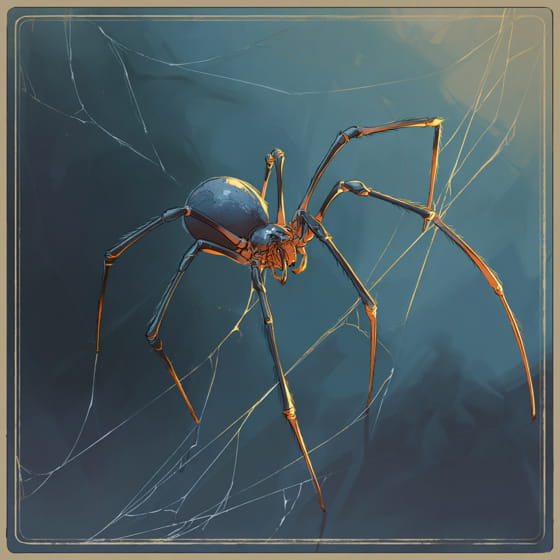
Pholcus phalangioides
A common spider found in similar habitats.
Porcellio scaber
Often found under logs and rocks where salamanders hunt.
Thamnophis atratus
Snakes are common predators in its Californian range.

Aphelocoma californica
These birds forage on the ground and in trees.
Marked with spots or patches of a different color.
Arboreal animals live primarily in trees, utilizing them for shelter, food, and protection from predators.
Colorful describes organisms or objects displaying a wide range of bright and distinct colors.
This trait identifies organisms whose diet primarily consists of insects and other small invertebrates.

Forest habitats are terrestrial environments dominated by dense tree cover, supporting a high diversity of plant and animal life.

This trait characterizes organisms with an exceptionally long lifespan compared to others of their kind.

This trait identifies organisms whose diet consists entirely or primarily of animal tissue.

Diurnal animals are primarily active during daylight hours, typically resting or sleeping at night.
No aliases listed yet.
Danger
1/5 · Very low
Always watch where you step in the forest, and be gentle with all animals.
The easiest way to identify Arboreal Salamander is to use the Snappit nature identifier app.
7-20 cm
0.005-0.02 kg
10-25 years
0.3 km/h
These salamanders are active hunters, feasting on a variety of small insects and other invertebrates.
Forests
Ambush
Zoom in to split clusters and explore where this object has been snapped.

California, US
You might spot Redwood Sorrel, Redwood, and Button's Banana Slug.
View guide →

California, US
You might spot Western Fence Lizard, Duck, and Canada Goose.
View guide →
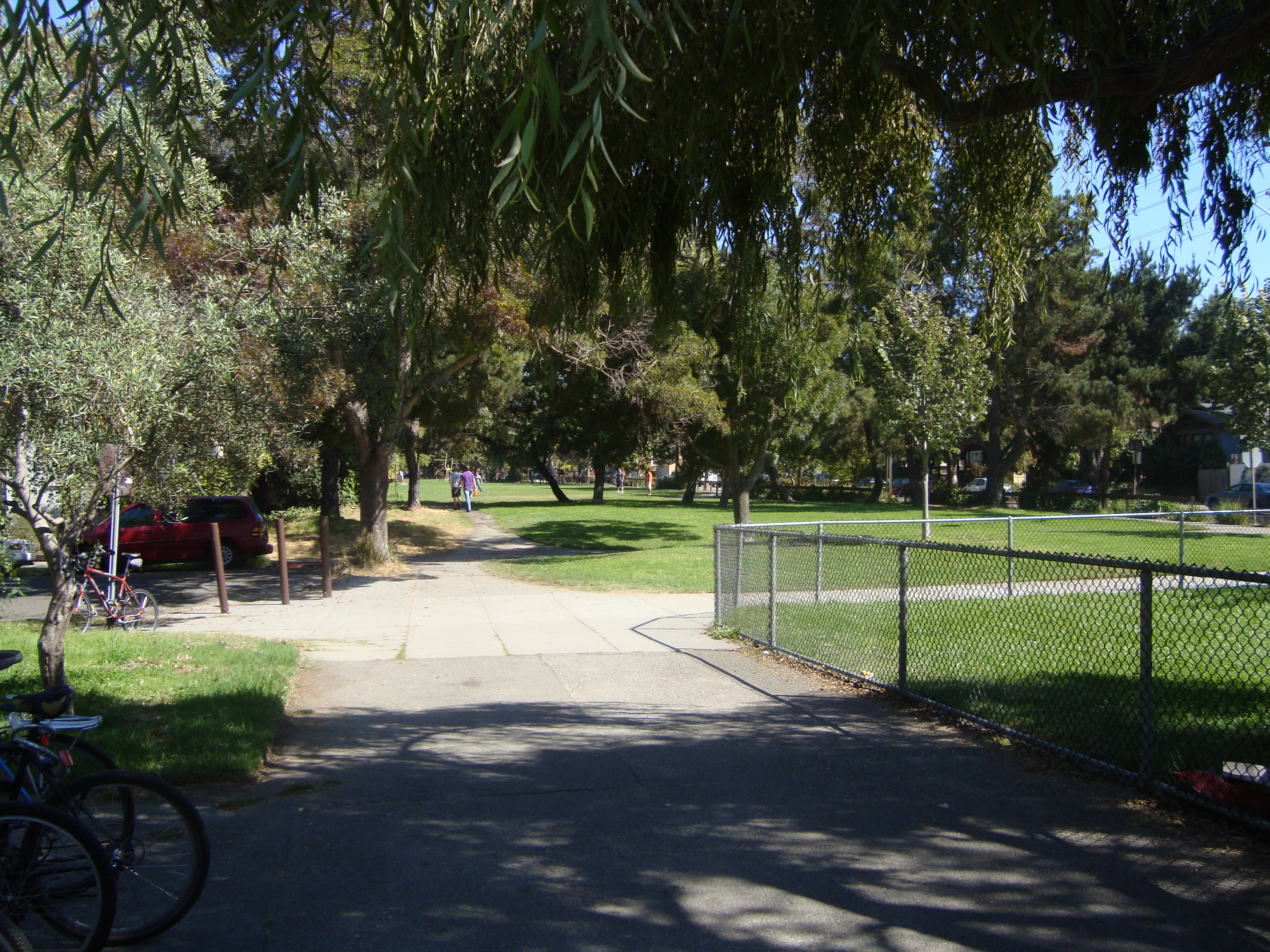
California, US
You might spot Bee, Monarch, and Anna's Hummingbird.
View guide →

California, US
You might spot Plume Albizia, White-Crowned Sparrow, and Red-Tailed Hawk.
View guide →
Take the discovery with you
Snap it with Snappit to identify it, learn what makes it special, and add the discovery to your collection.







.JPG&width=800)


.jpg&width=800)
