




Argentine Black-and-white Tegu
Salvator merianae
The Argentine Black-and-white Tegu is a large lizard with beautiful black and white patterns. They are curious creatures that love to explore their surroundings and can even be friendly with people!
Habitat: Grasslands
The Argentine Black-and-white Tegu is a large, powerful lizard featuring a striking pattern of black and white bands or spots across its body and tail. It has a robust build, strong limbs, and a pointed head, making it distinctly recognizable among South American reptiles.
Category
ReptilesRarity
Common
Danger
2/5 · Low
Snaps
3
Baby tegus are sometimes greener, changing colors as they grow into striking adults!
Tegus are surprisingly smart lizards; they can even be clicker-trained like some pets!
These powerful lizards can easily raid nests for delicious bird and reptile eggs!
They enter a long winter sleep called brumation, staying safe in deep burrows for months!
Argentine Black-and-white Tegu can locate hidden food and track prey using its forked tongue to 'taste' scents in the air.
Argentine Black-and-white Tegu can raise its body temperature above the environment, even creating internal warmth like mammals.
Argentine Black-and-white Tegu has a thick, muscular tail that can be used to whip predators, defending itself effectively.
These smart lizards are omnivores, eating almost anything from fruits to small animals.
Age differences: Juveniles eat more insects; adults consume more fruits, eggs, and small vertebrates.
Boa constrictor
A primary predator, especially of younger tegus and eggs.
Puma concolor
Large cat that preys on adult tegus in their natural habitat.
Passiflora edulis
Tegus enjoy eating the ripe, sweet fruit from passion fruit vines.
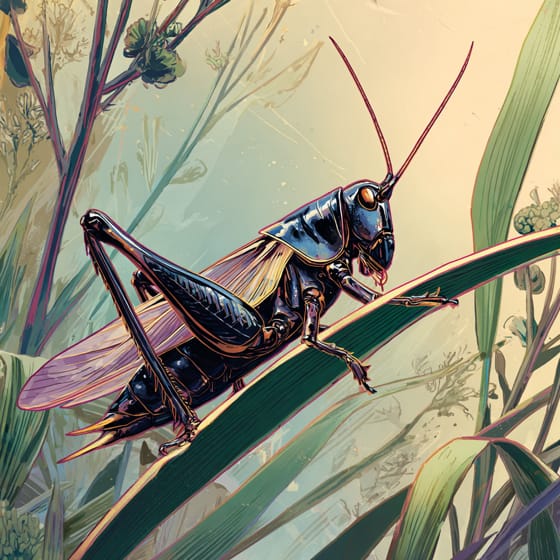
Gryllus assimilis
Young tegus eagerly hunt and consume this common cricket species.
Caiman latirostris
Tegus often raid nests to eat the eggs of these caimans.
Marked with parallel bands or lines of color.
Social animals live in organized groups, cooperating for survival benefits such as foraging, defense, and raising offspring.
This trait identifies organisms whose diet includes both plant and animal matter.
Burrowing animals dig tunnels and chambers in the ground, using these subterranean structures for shelter, hunting, or breeding.

Colorful describes organisms or objects displaying a wide range of bright and distinct colors.

Grassland habitats are terrestrial biomes dominated by grasses and herbaceous plants, supporting a variety of grazing animals.

Diurnal animals are primarily active during daylight hours, typically resting or sleeping at night.

This trait identifies organisms that exhibit exceptional swiftness in movement for hunting, escape, or travel.
Danger
2/5 · Low
Always watch from a distance and never try to touch a wild lizard.
The easiest way to identify Argentine Black-and-white Tegu is to use the Snappit nature identifier app.
80-140 cm
3-9 kg
15-20 years
18 km/h
These smart lizards are omnivores, eating almost anything from fruits to small animals.
2 km/h
Grasslands
Zoom in to split clusters and explore where this object has been snapped.
Take the discovery with you
Snap it with Snappit to identify it, learn what makes it special, and add the discovery to your collection.