





Ash Cicada
Cicada orni
The Ash Cicada is a buzzing insect that loves warm weather. They are known for their loud songs that fill the air during summer days, making them a fun part of nature.
Habitat: Forests
The Ash Cicada has a stout, dark body, typically black or dark brown, with striking yellowish or light brown markings, especially on its wings. Its large, reddish-orange compound eyes are prominent, contrasting with its mottled camouflage patterns that help it blend into tree bark.
Category
InsectsRarity
Common
Danger
1/5 · Very low
Snaps
Be the first to snap!
Cicadas have 'ears' on their belly, called tympana, not on their head!
Only male Ash Cicadas sing; the females are silent, listening for a mate.
They drink tree sap using a long, straw-like mouthpart called a proboscis.
When a cicada nymph grows, it sheds its entire skin, leaving behind an empty shell!
Ash Cicadas can produce an incredibly loud song by vibrating special membranes, which helps them attract mates from far away.
Ash Cicada nymphs can live underground for years, feeding on tree root sap, which protects them from predators and provides a steady food source.
Ash Cicadas have mottled brown and green patterns on their bodies and wings that help them disappear against tree bark, making them hard to spot.
Ash Cicadas drink sap from trees using their special straw-like mouthparts.
Age differences: Nymphs also feed on sap from tree roots underground.
Fraxinus excelsior
Main food source for both nymphs and adults.
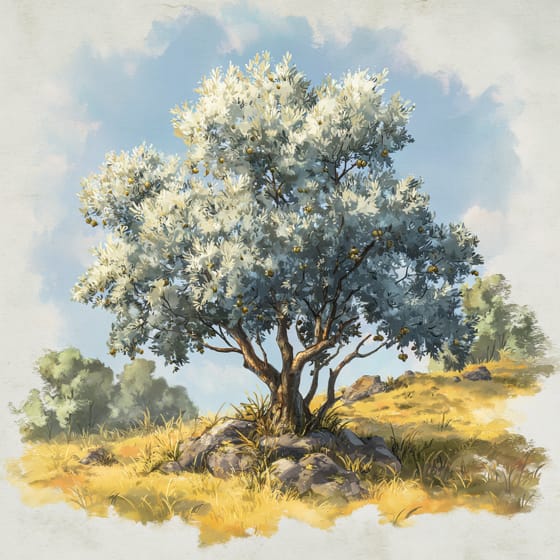
Olea europaea
Another common tree species Ash Cicadas feed on.
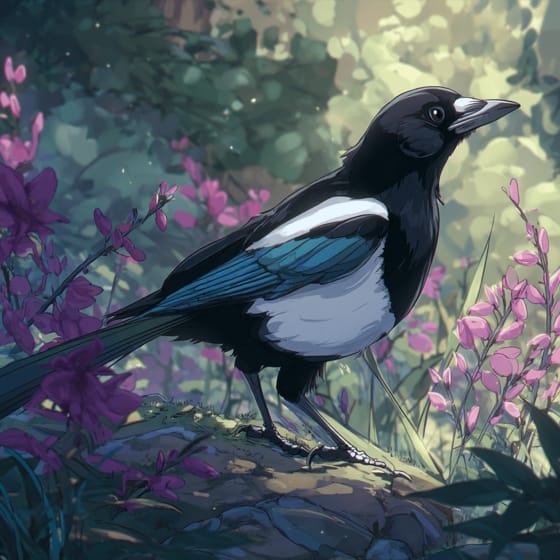
Pica pica
Birds often prey on adult cicadas.

Vespa crabro
Large hornets can prey on adult cicadas.
Social animals live in organized groups, cooperating for survival benefits such as foraging, defense, and raising offspring.
Singing animals produce complex vocalizations, often for purposes of attracting mates, defending territory, or communicating within their species.
Colorful describes organisms or objects displaying a wide range of bright and distinct colors.
This trait characterizes organisms whose diet consists entirely or primarily of plant material.

Forest habitats are terrestrial environments dominated by dense tree cover, supporting a high diversity of plant and animal life.

Diurnal animals are primarily active during daylight hours, typically resting or sleeping at night.

This trait identifies organisms that exhibit exceptional swiftness in movement for hunting, escape, or travel.
No aliases listed yet.
Danger
1/5 · Very low
Cicadas are safe to watch, but don't try to catch them as they can fly away quickly.
The easiest way to identify Ash Cicada is to use the Snappit nature identifier app.
56-70 mm
28-35 mm
20-40 days
12 km/h
Ash Cicadas drink sap from trees using their special straw-like mouthparts.
Forests
Foraging
Zoom in to split clusters and explore where this object has been snapped.
Recent snaps will appear here as new observations are added.
Take the discovery with you
Snap it with Snappit to identify it, learn what makes it special, and add the discovery to your collection.







.jpg&width=800)


